
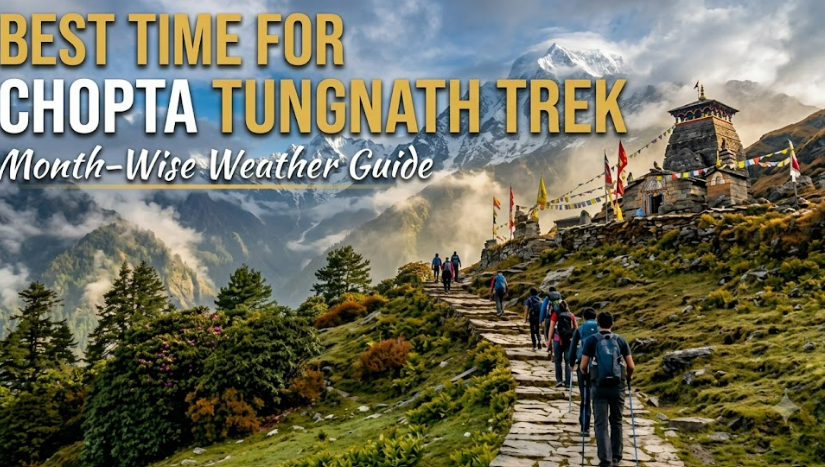
The Chopta Tungnath Trek is one of the most popular short Himalayan treks in Uttarakhand. The trail takes you from the beautiful meadows of Chopta to Tungnath Temple, one of the highest Shiva temples in the world, with the option to continue towards Chandrashila for panoramic Himalayan views.
But choosing the right month can make a big difference to your trekking experience.
In April, you may find patches of snow at higher sections. May brings pleasant weather and blooming rhododendrons, while September offers fresh green landscapes after the monsoon. October is particularly attractive for trekkers who want crisp mountain views and comfortable hiking conditions.
So, what is the best time for Chopta Tungnath Trek?
For most travellers, April to June and September to October are excellent windows, while the winter months are more suitable for travellers specifically looking for a snow experience. Weather at high altitude can change quickly, so current local conditions should always be checked before departure
🌨️ January
Weather: Heavy snow and extremely cold.
Best For: Snow trekking.
❄️ February
Weather: Snow-covered landscape and freezing temperatures.
Best For: Experienced winter trekkers.
❄️ March
Weather: Snow gradually starts melting.
Best For: Snow and winter scenery.
🌸 April
Weather: Pleasant days with possible snow at higher sections.
Best For: Spring views and snow experience.
🌸 May
Weather: Comfortable weather with rhododendron blooms.
Best For: Best overall trekking experience.
🌿 June
Weather: Green meadows and pleasant trekking conditions.
Best For: Families and beginners.
🌧️ July
Weather: Monsoon begins and trails can become slippery.
Best For: Generally avoid.
🌧️ August
Weather: Heavy monsoon conditions.
Best For: Generally avoid.
🌿 September
Weather: Lush green landscape and improving weather.
Best For: Post-monsoon trekking.
🏔️ October
Weather: Clear skies, cool weather and excellent visibility.
Best For: Himalayan mountain views.
❄️ November
Weather: Cold weather with possible early snowfall.
Best For: Experienced trekkers.
❄️ December
Weather: Snow begins to dominate and temperatures drop.
Best For: Winter snow experience.
Chopta Tungnath Trek in April
April is one of the most interesting months for the Chopta Tungnath Trek.
Winter begins to give way to spring, and the landscape around Chopta starts becoming greener. The forests along the route can also display colourful rhododendron blooms, making the trek especially attractive for nature lovers.
Depending on the year and recent snowfall, you may still find snow patches on higher sections of the route. This gives trekkers a chance to experience a combination of spring scenery and remnants of winter.
April is also a good month for travellers who want cooler trekking conditions without the intense winter conditions found earlier in the year.
Why choose April?
Pleasant trekking conditions
Spring landscapes
Rhododendron blooms
Possibility of seeing leftover snow
Cooler temperatures than the summer months
Good option for nature and photography lovers
If you want a trek with a combination of snow patches, flowers and mountain scenery, April can be an excellent choice.
Chopta Tungnath Trek in May
If you prefer comfortable weather and an easier trekking experience, May is one of the best months to plan the Chopta Tungnath Trek.
The weather is generally pleasant compared with the hotter plains, while the trail becomes more accessible as winter conditions retreat. The surrounding meadows and forests become increasingly green, creating a beautiful contrast with the Himalayan peaks.
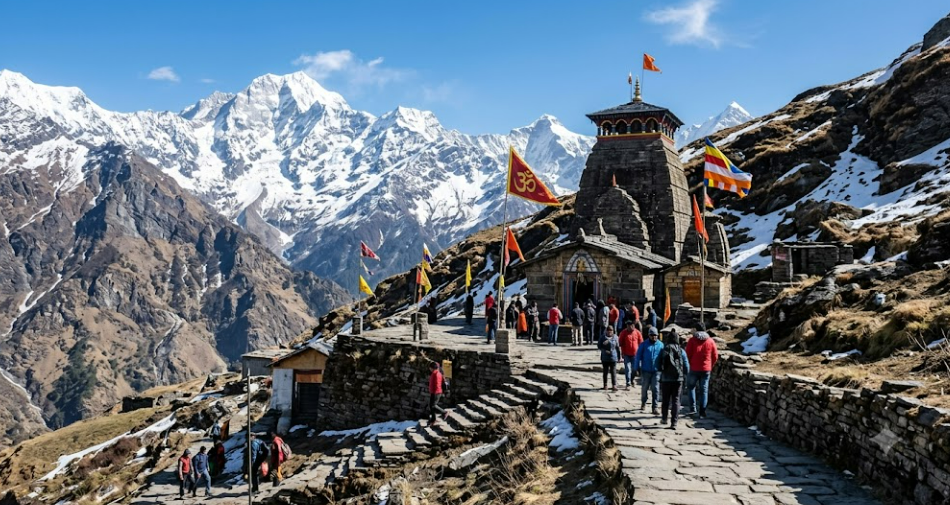
May is also important for pilgrims because Tungnath Temple normally opens around the spring season, although the exact opening date changes each year according to the temple calendar. For example, Indiahikes reports that Tungnath Temple reopened on May 2 in 2026.
Why choose May?
Pleasant daytime conditions
Green landscapes
Good trekking accessibility
Tungnath Temple season
Suitable for first-time trekkers
Excellent combination of trekking and pilgrimage
For travellers visiting Tungnath for the first time, May is a very practical choice.
Chopta Tungnath Trek in June
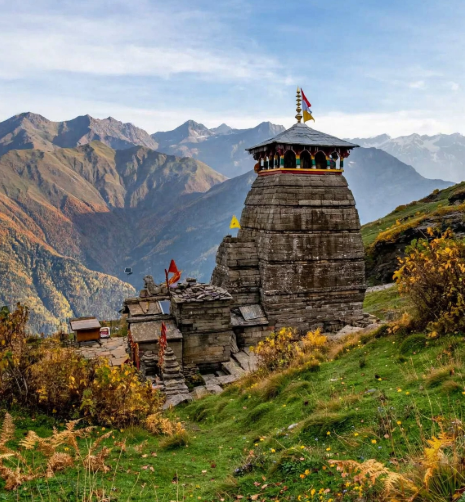
June is another popular month because of its generally comfortable conditions before the stronger monsoon period.
The landscape around Chopta becomes greener, and trekking conditions can be pleasant. However, as the month progresses, weather patterns can become less predictable, so checking the forecast before starting your journey is recommended.
If you want a summer Himalayan escape without extreme winter conditions, June can work well.
Chopta Tungnath Trek in July and August
July and August fall within the monsoon period, making them less favourable for most trekkers.
Rain can make sections of the trail slippery, while road travel in the mountains can also become more challenging because of rainfall and possible landslides. Mountain views can also be affected by clouds and mist.
Indiahikes describes July and August as a period when heavy rainfall can create risks on roads and make stone trails slick.
Why many trekkers avoid these months
Frequent rainfall
Slippery trails
Reduced mountain visibility
Possible road disruptions
Higher risk of landslides in the wider region
If your priority is clear Himalayan views and comfortable trekking, it is better to consider another season.
Chopta Tungnath Trek in September
September is one of the best months for travellers looking for clearer Himalayan views after the monsoon.
As the rainy season begins to retreat, the atmosphere can become cleaner and the surrounding mountains may appear sharper. The forests and meadows are also lush after the monsoon.
This makes September an attractive month for landscape photography, nature lovers and trekkers who want a quieter Himalayan experience.
Why choose September?
Fresh green landscapes
Post-monsoon mountain scenery
Improving visibility
Pleasant trekking conditions
Excellent photography opportunities
If you want to combine greenery with improving mountain visibility, September is a strong option.
Chopta Tungnath Trek in October
For many trekkers, October is one of the best months for the Chopta Tungnath Trek.
The monsoon has passed, the air becomes crisp and the Himalayan ranges can appear exceptionally clear. This is particularly useful if your goal is to enjoy panoramic views from higher sections such as Chandrashila.
Indiahikes describes September and October as a period of outstanding clarity, with cooler weather and sharp views of major Himalayan peaks.
Why choose October?
Clearer Himalayan views
Crisp mountain weather
Lower rainfall
Excellent photography conditions
Comfortable trekking environment
Beautiful autumn landscapes
If your main priority is clear mountain views rather than snow, October is a particularly good choice.
Which Month Should You Choose?
The best time depends on what you want to see.
April and May are excellent for pleasant weather, spring landscapes and rhododendron blooms. September and October are particularly attractive for trekkers who want clearer mountain views after the monsoon.
If your main goal is to experience snow, winter can be appealing, but heavy snowfall can make the trail considerably more difficult. During winter, Tungnath Temple also remains closed because of the harsh high-altitude conditions.
For a comfortable first-time trek, April, May, September and October are strong choices.
Things to Check Before Your Chopta Tungnath Trek
Even if you choose the recommended season, mountain weather can change quickly. Before leaving for the trek, check:
Latest weather forecast
Road conditions to Chopta
Snow conditions if travelling in winter or early spring
Temple opening status if Tungnath darshan is part of your plan
Suitable trekking shoes
Warm layers
Rain protection
Water and snacks
Local travel advisories
The Tungnath Temple opening and closing dates are announced annually, so travellers should confirm the dates for their specific travel year before planning around temple darshan.
Frequently Asked Questions
1. What is the Chopta Tungnath Trek best time?
The Chopta Tungnath Trek best time is generally April to June and September to October. April and May are great for spring, while September and October offer clearer mountain views.
2. Is April a good time for the Chopta Tungnath Trek?
Yes, April is a good month for the trek, with pleasant weather, spring landscapes and possible snow patches at higher elevations. It is especially suitable for nature and photography lovers.
3. Can I see snow on the Chopta Tungnath Trek?
Yes, snow can be found during the winter season and sometimes remains on higher sections in early spring. Actual snow conditions vary depending on the year’s snowfall.
4. Is October a good month for the Chopta Tungnath Trek?
Yes, October is one of the best months for clear Himalayan views and comfortable trekking weather. The post-monsoon skies are generally clearer and the landscape looks beautiful.
Plan Your Chopta Tungnath Trek at the Right Time
Choosing the right season can make your Chopta Tungnath Trek much more enjoyable. Whether you want to experience snow, colourful spring landscapes, lush greenery or clear Himalayan views, each season offers something different.
April, May, September and October are excellent choices for most travellers. Choose your month according to the experience you want and prepare for changing mountain weather before beginning your journey.
Ready to explore the beautiful trails of Uttarakhand? Plan your Chopta Tungnath Trek with Dream Go Himalayas and start your Himalayan adventure.