
How to Reach Har Ki Dun Trek
Reaching Har Ki Dun is easier than most people expect. The journey starts at Dehradun, which you can reach from Delhi by train, bus, flight or car. From there, a scenic mountain drive of about 190 km takes you to Sankri, the base village of the trek, in roughly 9 to 10 hours. The road passes through Mussoorie, Purola, Mori and Netwar before ending in Sankri, where most trekkers spend a night. The next morning, a short jeep ride to Taluka brings you to the actual trailhead. This guide walks you through the full Delhi to Har Ki Dun route, the Dehradun to Sankri journey, and the best transport options at every stage.
About Har Ki Dun
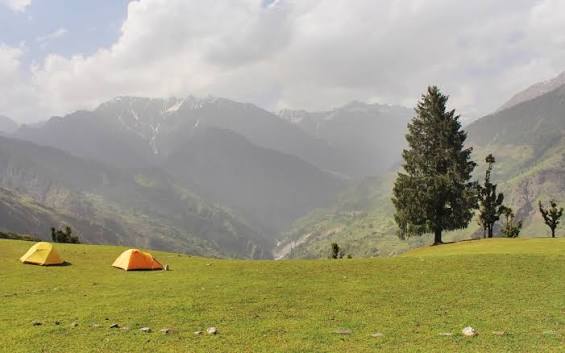
Har Ki Dun, often called the “Valley of Gods,” is a U-shaped hanging valley in Govind Pashu Vihar National Park, in Uttarkashi district of Uttarakhand. It sits at around 3,500 metres above sea level. Peaks such as Swargarohini, Bandarpoonch and Kalanag frame the valley, and the Har Ki Dun stream runs through its meadows.
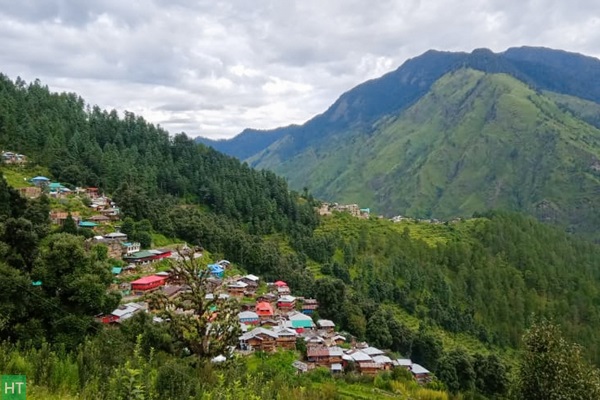
The trail is as much a cultural journey as a mountain one. It passes through Garhwali villages like Taluka, Gangad and Osla, where wooden houses, terraced fields and old temples shape daily life. Osla is known for its Someshwar temple and its link to local traditions tied to Duryodhana.
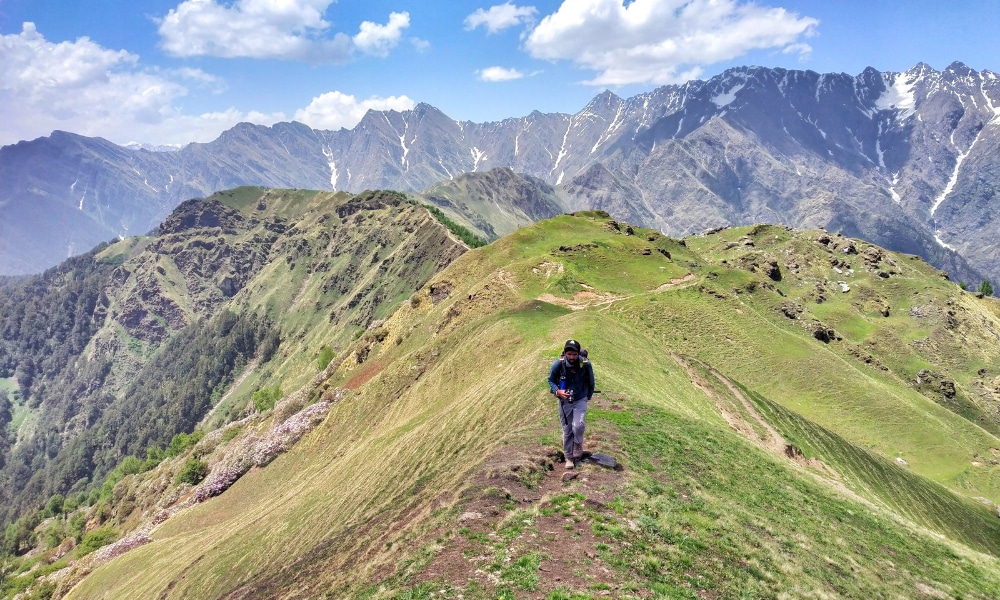
The trek is graded easy to moderate, which is why it is a popular first Himalayan trek. The full route covers roughly 45 to 50 km round trip, and most groups complete it in 6 to 7 days starting and ending at Sankri.
Route Overview Before You Start
Think of the journey in four stages:
- Delhi to Dehradun, about 250 km
- Dehradun to Sankri, about 190 to 200 km
- Sankri to Taluka, about 11 to 12 km by jeep
- Taluka to Har Ki Dun on foot, via Gangad and Osla
The road journey (stages 1 to 3) is long enough that planning it well matters as much as planning the trek itself.
Step 1: Delhi to Har Ki Dun, Getting to Dehradun
Dehradun is the gateway to Har Ki Dun. It has a railway station, an airport and a large bus terminal, so you have plenty of ways to reach it from Delhi.
By Train
Several trains connect Delhi and Dehradun every day, including premium services such as the Vande Bharat and Shatabdi Express, along with regular and overnight trains. Daytime trains are comfortable and punctual. Overnight trains let you arrive in the morning without losing a day. Book early during peak trekking months, because seats fill quickly.
By Bus
Government and private buses run from Delhi’s ISBT Kashmiri Gate and other points to Dehradun at all hours. AC and Volvo coaches are common, and overnight buses are popular with trekkers who want to save on a hotel night. Travel time is typically 6 to 7 hours depending on traffic.
By Flight
Jolly Grant Airport, about 25 to 30 km from Dehradun city, has direct flights from Delhi and a few other cities. This is the fastest option for travellers coming from farther away. Taxis and shared cabs are available outside the terminal.
By Car
If you are driving or hiring a taxi, the Delhi to Dehradun route via Meerut and Roorkee is well maintained. With the newer expressway sections, driving time has dropped for many travellers, but you should still allow around 4 to 5 hours with breaks and traffic.
Planning tip: Aim to reach Dehradun by evening and stay overnight. Buses and shared jeeps to Sankri leave early in the morning, and the next stretch is long.
Step 2: Dehradun to Sankri, the Main Road Journey
The Dehradun to Sankri stretch is the longest and most demanding part of the travel. Expect around 190 to 200 km of winding mountain road and 9 to 10 hours of driving, sometimes longer after rain or during roadwork.
Sankri Route in Detail
The road climbs out of Dehradun towards Mussoorie, then descends into the Yamuna valley and continues towards Purola, Mori and Sankri. The main points along the Sankri route are:
- Mussoorie and Kempty Falls: The first hill stretch, with a good chance for a tea break.
- Nainbagh and Naugaon: The road begins to follow the Yamuna River through small market towns.
- Purola: A major market town with ATMs, shops, pharmacies and restaurants. This is your last reliable stop for supplies.
- Mori: A quiet town near the Tons River, and the usual lunch halt.
- Netwar: A small village where the road narrows and the landscape turns more rugged.
- Sankri: The final stop at around 1,950 metres, and the base village for the trek.
The final stretch from Mori to Sankri is scenic but narrow and curvy. If you are prone to motion sickness, carry medication and sit near the front of the vehicle.
What to Expect on the Road
Road conditions can change quickly in the hills. Landslides, heavy rain or road repair work can add hours to the trip, especially in the monsoon. Start early, keep snacks and water with you, and avoid planning anything important on the evening you arrive.
Transport Options from Dehradun to Sankri
Government bus (Uttarakhand Roadways): This is the cheapest choice, taking about 10 to 11 hours. Buses usually leave early in the morning from Dehradun on limited schedules, so check timings the day before.
Shared taxi or jeep: A good middle option for solo trekkers, taking around 9 to 10 hours. Shared vehicles typically leave from Dehradun’s ISBT area and the Parade Ground side, and they depart once seats fill, so be there early.
Private taxi: Takes about 8 to 9 hours and costs more, but gives you control over timing and stops. This works best for families and groups who want comfort and flexibility.
Pre-booked pickup through a trekking agency: Many trekking companies include the Dehradun to Sankri transfer in their package, often with a fixed pickup point and time. This removes the uncertainty of finding transport and is useful for first-time trekkers.
Fares and schedules change with the season, so confirm current prices and departure times locally before you travel.
Step 3: Sankri to Taluka and the Trek Start
Sankri is a small village with guesthouses, homestays, a few shops and a forest office. It is the last place to sort out final arrangements. Plan to spend a night here to rest after the long drive.
Permits and Entry
Har Ki Dun lies within Govind Pashu Vihar National Park, so entry formalities apply. Permits and registration are handled at the forest office in Sankri. Carry original photo ID and copies, as checks are routine. Rules and fees can change, so ask your trek organiser or the forest office for the latest requirements.
Sankri to Taluka
The next morning, a jeep takes you from Sankri to Taluka, about 11 to 12 km away, in roughly an hour. The road is rough in parts. From Taluka, the walking begins.
The Trek Itinerary at a Glance
The standard route follows the Supin river valley and then climbs into the Har Ki Dun valley. A typical flow looks like this:
- Taluka to Osla (via Gangad): A day of gentle to moderate walking through forests, streams and villages. You camp or stay in a homestay at Osla.
- Osla to Har Ki Dun: The main climb of the trek. The trail passes Kalkatiyadhar, with a camp or stay near Har Ki Dun, and opens into the valley with big mountain views.
- Rest or exploration day: Many groups use this day to explore the valley or walk towards Jaundhar Glacier, giving the body time to adjust.
- Return: Descend to Osla, then to Taluka, and drive back to Sankri.
Best Time to Visit Har Ki Dun
April to June: Pleasant temperatures, blooming rhododendrons and clear views. This is the most popular window.
September to November: Crisp air and sharp mountain views after the monsoon. Autumn is a favourite for photographers.
December to February: Snow transforms the trail into a winter trek. It is beautiful but colder and needs better preparation and experience.
July and August: Usually avoided because of heavy rain, slippery trails and landslide risk on the road to Sankri.
Sample Itinerary for Reaching Har Ki Dun
- Day 0: Delhi to Dehradun, overnight stay
- Day 1: Dehradun to Sankri by road (9 to 10 hours)
- Day 2: Sankri to Taluka by jeep, then trek to Osla
- Day 3: Osla to Har Ki Dun
- Day 4: Explore the valley, then begin descent
- Day 5: Return to Osla, then Taluka and Sankri
- Day 6: Sankri to Dehradun, onward to Delhi
Keep a spare day in your plan if you can. Weather and road delays are common in the mountains.
What to Pack for the Journey and Trek
- Layered clothing, including a warm jacket and thermal innerwear
- A waterproof jacket or poncho and a rain cover for your bag
- Sturdy trekking shoes with good grip, plus extra socks
- A headlamp with spare batteries
- Sunglasses, a cap and sunscreen
- A reusable water bottle and basic snacks
- A personal medical kit with motion sickness tablets, pain relief, antiseptic and any regular medicines
- Original photo ID with copies for permits
- A power bank, since charging points are limited on the trail
Practical Tips Before You Go
- Cash: Withdraw enough in Purola or Mori. ATMs are unreliable beyond that, and there are none on the trail.
- Network: Mobile signal is patchy in Sankri and absent on most of the trek. Inform family in advance.
- Fitness: Start walking, jogging or climbing stairs three to four weeks before the trip to build stamina.
- Altitude: Walk slowly, drink plenty of water and do not ignore headaches or dizziness.
- Buffer day: Landslides and weather can delay road travel, so keep a spare day.
- Leave no trace: Carry your waste back and respect local customs in the villages.
Common Mistakes to Avoid
- Trying to go from Delhi to Sankri in one push. The distance is manageable, but combined with mountain roads it is exhausting. Break the journey at Dehradun.
- Starting late from Dehradun. Late departures can mean arriving in Sankri after dark.
- Skipping cash withdrawals. Running out of cash in Sankri is a common problem.
- Packing is too heavy. Carry only what you need, as your bag stays with you on the climbs.
- Ignoring the weather forecast. Check conditions before leaving and be ready to adjust.
Frequently Asked Questions
How do I reach Har Ki Dun from Delhi?
Travel from Delhi to Dehradun by train, bus, flight or car. Then take a bus, shared jeep or taxi to Sankri, the base village. From Sankri, a jeep goes to Taluka, where the trek begins.
What is the nearest railway station to Har Ki Dun?
Dehradun Railway Station is the nearest major railhead, around 200 km from Sankri.
What is the nearest airport to Har Ki Dun?
Jolly Grant Airport in Dehradun is the closest airport.
How far is Sankri from Delhi?
Sankri is about 440 to 450 km from Delhi by road. Most people split the journey by staying overnight in Dehradun.
How long does it take to go from Dehradun to Sankri?
Usually 9 to 10 hours, depending on traffic, weather and road conditions.
Can I reach Har Ki Dun in one day from Delhi?
You can reach Sankri in one long day, but the trek itself takes several more days. Most people break the journey at Dehradun.
Is the Har Ki Dun trek suitable for beginners?
Yes. With basic fitness and proper acclimatisation, it is a popular first Himalayan trek.
Is a guide required?
Joining a trekking group or hiring a local guide is strongly recommended for safety, navigation and permit handling.
Is there a mobile network on the trek?
The network is limited in Sankri and mostly unavailable on the trail, so plan communication in advance.
Final Thoughts
Knowing how to reach Har Ki Dun Trek is simple once you break the journey into stages: Delhi to Dehradun, Dehradun to Sankri, then Sankri to the trailhead at Taluka. With good timing, an overnight stop in Dehradun and a buffer day for mountain roads, the journey becomes part of the adventure. Plan the transport early, pack smart, and the valley will reward you with some of the best views in Garhwal.