The Himalayas are among the world’s most spectacular trekking destinations, but they are also one of the most dynamic mountain environments on Earth.
The recent Nepal flash flood disaster of August 2026 is a serious reminder that mountain weather, glaciers, rivers and unstable slopes can change conditions very quickly.
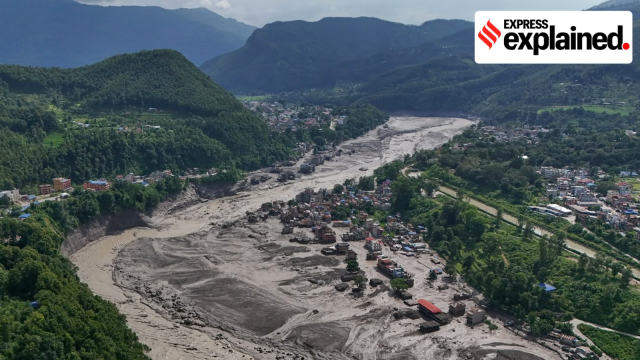
The reported disaster along the Nepal–Tibet border followed a major ice-and-rock collapse that sent enormous amounts of debris and water into downstream river systems. Roads, bridges and other infrastructure were badly affected, while authorities continued rescue operations and monitored the possibility of further flooding.
For trekkers, the most important lesson is not that every Himalayan trek is unsafe. It is that trekking decisions must be based on current weather, local trail conditions, route exposure and professional advice—not simply on the calendar.
Whether you are planning a monsoon trek, a winter snow trek or a high-altitude Himalayan adventure, understanding these risks can make your journey considerably safer.
What Happened in Nepal?
The August 2026 disaster occurred in the Himalayan border region between Nepal and Tibet.
Reports indicate that a large ice-and-rock collapse triggered a destructive sequence involving debris, floodwater and mountain rivers. The event affected areas around the Lhende Khola, Bhote Koshi and Trishuli river systems.
A newly formed barrier lake has also raised concerns about possible additional flooding in the affected region. Experts and authorities have therefore continued monitoring the area.
The event highlights an important fact about Himalayan travel:
Mountain hazards are interconnected.
Heavy rainfall can contribute to landslides.
Landslides can block rivers.
Glacier or ice-rock collapses can release enormous amounts of debris.
Blocked rivers can suddenly change course or create temporary lakes.
For trekkers, this means that a trail that looked perfectly normal the previous day may become unsafe after extreme weather.
Does the Nepal Flood Mean Himalayan Trekking Is Unsafe?
Not necessarily.
A major disaster in one Himalayan region does not automatically mean that every trekking destination across Nepal, Uttarakhand, Himachal Pradesh or Ladakh is closed or dangerous.
Mountain conditions are highly localized.
The correct question is:
“Is my specific trekking route safe right now?”
Before starting a trek, check:
- Current weather conditions
- Local rainfall warnings
- Trail and road conditions
- River levels
- Landslide-prone sections
- Government or park advisories
- Route closures
- Local guide information
- Emergency evacuation options
The Nepal Tourism Board specifically advises trekkers to stay informed about mountain safety, use designated routes, trek in groups and carry essential equipment such as rain protection, a torch and first-aid supplies.
Why Monsoon Trekking Requires Extra Caution
The Himalayan monsoon season generally brings prolonged rainfall to many mountain regions.
Rain does not simply make a trail wet.
It can change the entire trekking environment.
1. Flash Floods
A clear mountain stream can become a powerful river after heavy rainfall or upstream events.
This is especially dangerous when trekking through narrow valleys or near riverbeds.
2. Landslides
Continuous rain can loosen soil and rocks on steep slopes.
A trail that was open in the morning may become blocked later in the day.
3. Falling Rocks
Wet and unstable slopes can increase rockfall risk.
Trekkers should avoid stopping unnecessarily beneath unstable cliffs or steep slopes.
4. Damaged Bridges
Suspension bridges and smaller crossings can be damaged by rapidly rising water.
Never assume that a river crossing is safe simply because another trekker crossed it earlier.
5. Poor Visibility
Cloud, rain and fog can reduce visibility and make navigation difficult.
This becomes especially important on less-developed or high-altitude routes.
What Should You Do If You Encounter a Flash Flood?
This is one of the most important sections for every Himalayan trekker.
Never Try to Cross a Rapidly Rising River
If water is rising quickly, do not attempt to cross it just to stay on schedule.
Turn around if possible and move toward higher, safer ground.
Move Away From River Channels
Flash floods can arrive extremely quickly.
If you hear unusual roaring sounds, see sudden changes in water colour or level, or notice debris moving downstream, move away from the river.
Don’t Camp on Riverbanks
A beautiful riverside campsite may become dangerous during heavy rainfall.
Choose a campsite away from obvious flood channels and low-lying areas.
Follow Local Instructions
If local guides, authorities, park officials or rescue teams advise evacuation or route changes, follow their instructions.
Do not take unnecessary risks for photographs or shortcuts.
Glacier Safety: What Trekkers Should Know
Glaciers are among the most spectacular features of the Himalayas, but they are not ordinary hiking terrain.
A glacier can contain:
- Crevasses
- Unstable ice
- Rockfall zones
- Seracs
- Meltwater channels
- Snow bridges
- Avalanche exposure
Even experienced mountaineers treat glacier travel seriously.
For trekkers, the safest approach is simple:
Do not enter technical glacier terrain without appropriate equipment, training and qualified mountain leadership.
A glacier may appear solid from a distance while hiding deep cracks underneath snow.
What Is a GLOF?
GLOF stands for Glacial Lake Outburst Flood.
A glacial lake can form when meltwater collects behind ice, moraine or other natural barriers.
If that barrier fails, a large volume of water can suddenly move downstream.
The resulting flood can carry:
- Water
- Rocks
- Mud
- Ice
- Trees
- Other debris
This is why trekkers should be especially cautious around glacier-fed rivers and lakes.
The recent Nepal disaster has again brought attention to the growing hazards associated with unstable high-mountain environments. Scientists have warned that warming conditions can contribute to glacier and permafrost instability, although the exact cause of any individual event must be assessed separately.
Snow Trek Safety: Winter Does Not Mean Zero Risk
Snow trekking has a completely different risk profile from monsoon trekking.
During winter, trekkers may encounter:
- Snow-covered trails
- Ice
- Slippery surfaces
- Freezing temperatures
- Reduced daylight
- Strong winds
- Avalanche-prone terrain
- Hidden rocks and streams
- Difficult navigation
This is why preparation matters more than simply carrying a jacket.
For beginners, a guided winter trek with an experienced trek leader is generally a better choice than attempting unfamiliar snow-covered terrain independently.
High-Altitude Safety Is Equally Important
Floods and glaciers receive attention because they can create dramatic events, but altitude remains one of the major risks on Himalayan treks.
Acute Mountain Sickness (AMS) can occur at high altitude.
The Nepal Tourism Board advises trekkers to pay attention to altitude-related symptoms and emphasizes gradual ascent. Symptoms can include headache, nausea, fatigue, dizziness and loss of appetite. Severe symptoms require immediate descent and medical attention.
A simple rule for trekkers is:
Do not ignore unusual symptoms just because you are close to the summit.
The summit is never more important than your safety.
Monsoon vs Winter Trekking: Which Is More Challenging?
| Factor | Monsoon Trek | Winter/Snow Trek |
|---|---|---|
| Rain | High | Low in many regions |
| Snow | Usually limited at lower elevations | Major factor |
| Landslide risk | Higher | Variable |
| Flash flood risk | Higher | Usually lower, route dependent |
| Ice | Moderate | High |
| Visibility | Cloud/fog | Snowstorm/fog possible |
| Trail condition | Muddy/slippery | Snow/ice-covered |
| Main concern | Rain, flood & landslide | Cold, snow & ice |
| Beginner preparation | Moderate | Higher preparation required |
There is no universally “safe season.”
The risk simply changes with the season.
How to Prepare for a Himalayan Trek
Before leaving for your trek, prepare for the actual environment rather than packing only according to the destination’s photographs.
Essential items include:
- Waterproof trekking shoes
- Rain jacket
- Backpack rain cover
- Warm layers
- Gloves
- Headlamp
- First-aid kit
- Personal medicines
- Water bottle
- Power bank
- Navigation/communication backup
- Emergency contact information
- Trekking poles
- Sunglasses
- Sunscreen
- Appropriate sleeping equipment for the route
For monsoon routes, waterproofing is especially important.
For snow treks, proper insulation and traction become much more important.
7 Golden Rules for Safer Himalayan Trekking
1. Check Conditions Before Departure
Don’t rely on an old YouTube video or Instagram reel.
Mountain conditions change.
2. Follow the Local Route
Do not take unknown shortcuts.
3. Never Underestimate a River
Water levels can change rapidly.
4. Don’t Trek Alone on High-Risk Routes
The Nepal Tourism Board recommends trekking in groups rather than alone.
5. Respect Weather Warnings
Changing your itinerary is better than forcing a summit.
6. Know When to Turn Back
A good trek leader knows that turning around can be the correct decision.
7. Keep Emergency Contacts Ready
Know the nearest roadhead, medical facility and evacuation options before entering remote terrain.
Is Monsoon Trekking Possible in the Indian Himalayas?
Yes, but route selection matters.
Some Himalayan trekking regions receive heavy monsoon rainfall and can experience muddy trails, landslides and road disruptions.
Other routes may have different weather patterns or seasonal characteristics.
This is why trekkers should select a route based on:
- Elevation
- Geography
- Rainfall pattern
- Trail exposure
- Accessibility
- Local regulations
- Current weather
- Professional operational updates
For Uttarakhand trekkers, destinations such as Har Ki Dun, Chopta Tungnath, Kedarkantha and other Himalayan routes each have different seasonal characteristics.
For example, TrekTonic Adventures currently lists Har Ki Dun as a 7-day Himalayan trek and describes its route through forests, villages, alpine landscapes and river sections.
What TrekTonic Adventures Recommends
At TrekTonic Adventures, we believe Himalayan trekking should not be about simply reaching a summit.
It should be about reaching the mountain responsibly.
Before every trek, trekkers should understand the route, weather, terrain and seasonal risks.
Our approach should always be:
Check → Prepare → Trek → Monitor → Adapt
If weather or trail conditions change, the itinerary should change with them.
Safety should never be sacrificed to maintain a schedule.
TrekTonic Adventures already focuses on guided Himalayan experiences, experienced trek leaders, local knowledge and safety-focused operations.
Looking for a Safer Himalayan Adventure?
If you are planning your next Himalayan trek, choose your route according to your experience level and the season.
For beginners looking for a relatively accessible Himalayan experience, you can explore the Chopta Tungnath Trek.
For a longer valley experience combining villages, forests and high Himalayan scenery, explore the Har Ki Dun Trek.
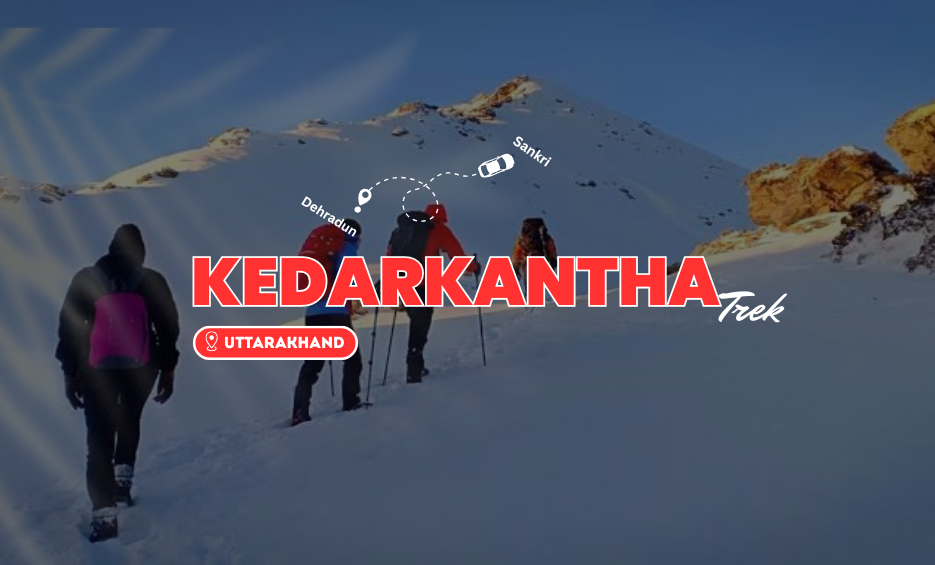
For a winter snow adventure, the Kedarkantha Trek is one of the popular options for experiencing the Himalayan winter landscape.
Always check the latest departure information, weather and operational conditions before travelling.
Final Thoughts
The 2026 Nepal flash flood is a powerful reminder that the Himalayas are living, changing mountains.
Glaciers move.
Rivers rise.
Snow conditions change.
Rain can trigger landslides.
And mountain weather can change faster than a trekking itinerary.
But this does not mean that travellers should stop exploring the Himalayas.
It means we should explore them more responsibly.
The best trekker is not the person who refuses to turn back.
The best trekker is the one who understands when turning back is the safest way forward.
Plan carefully. Listen to local experts. Respect the mountains—and never let a summit become more important than your safety.