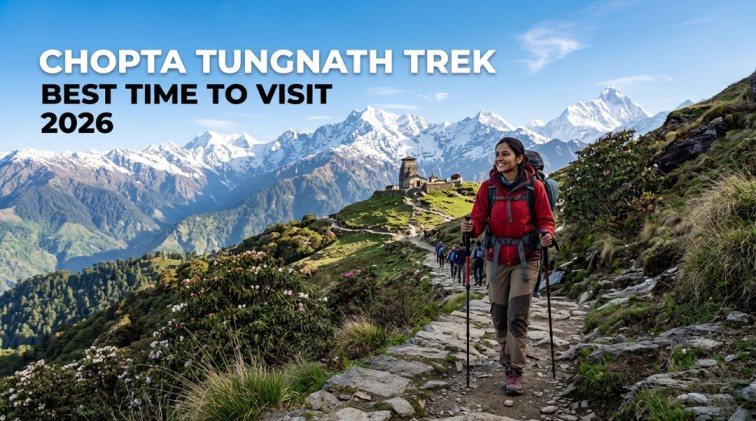
The Ultimate Guide: Best Time To Visit Chopta Tungnath Trek (Month-by-Month)
Are you dreaming of standing amidst the clouds, looking at the mighty Himalayas while visiting the world’s highest Shiva temple? The Chopta Tungnath Trek is a quintessential Himalayan experience that every trekker, photographer, and spiritual seeker must undertake.
However, the experience changes drastically with every passing month. From walking on 4 feet of snow in January to strolling through crimson rhododendron forests in April, timing is everything.
In this comprehensive guide, we break down the best time to visit Chopta Tungnath Trek so you can plan your adventure with Trektonic Adventures perfectly.
Chopta Tungnath Trek: At a Glance
Before we dive into the seasonal breakdown, let’s look at the quick facts of this iconic trek:
| Parameter | Details |
| Location | Rudraprayag District, Uttarakhand |
| Max Altitude | $13,123\text{ ft}$ (Chandrashila Peak) |
| Trek Distance | $5\text{ km}$ (One way from Chopta base) |
| Difficulty Level | Easy to Moderate |
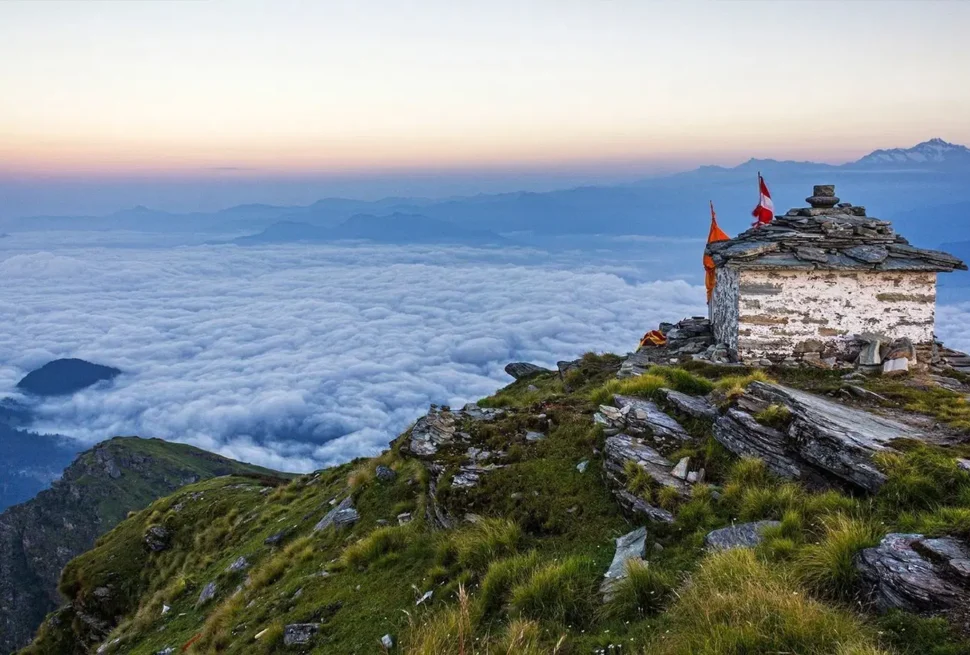
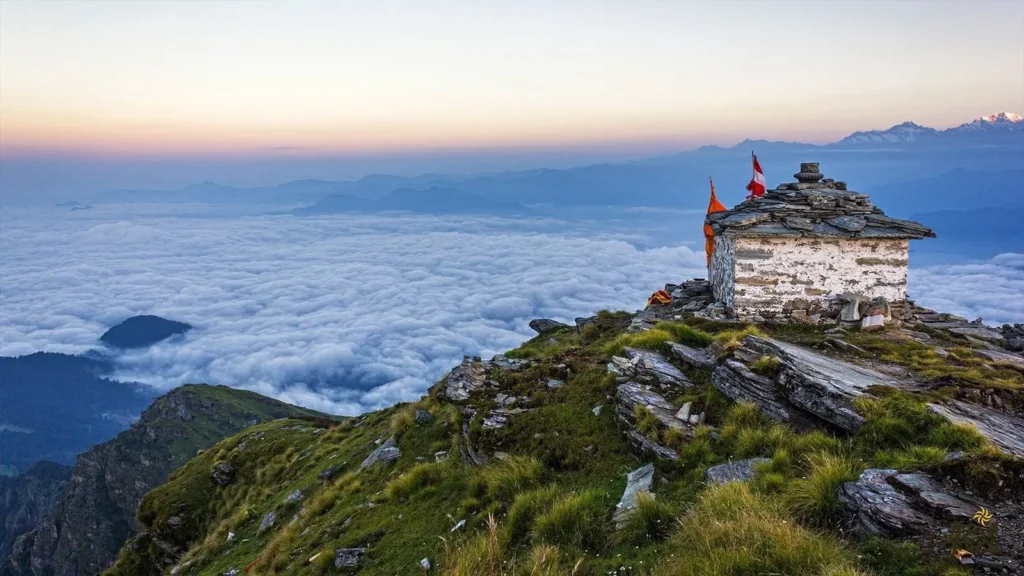
| Primary Attraction | Tungnath Temple (Highest of the Panch Kedar) |
Seasonal Breakdown: When Should You Trek?
1. Spring (March to April) – The Rhododendron Bloom
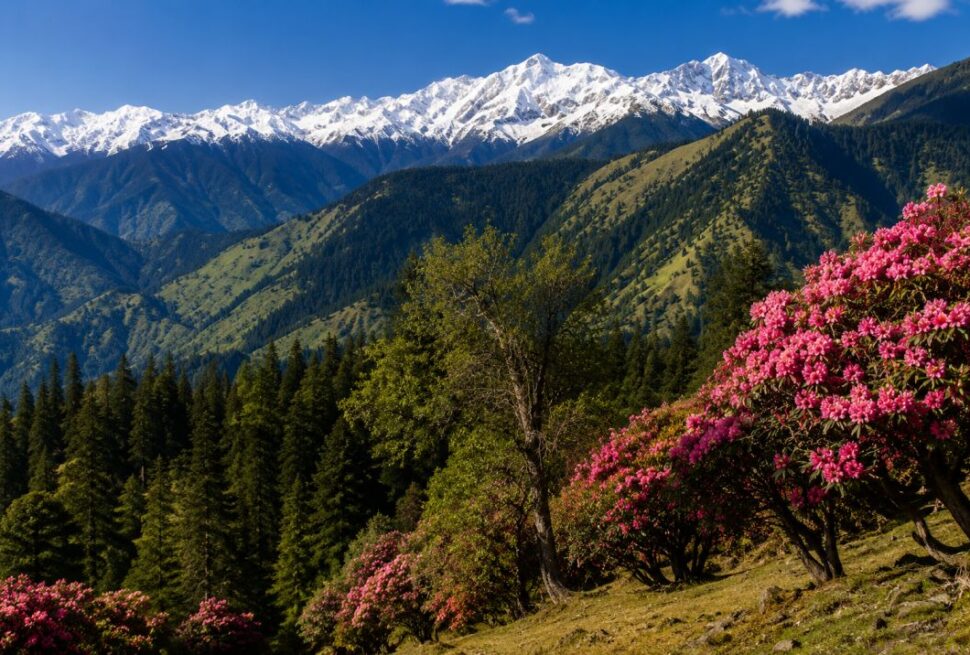
Spring is arguably the most beautiful time for the Chopta Tungnath Trek. As the winter snow begins to recede, the trail transforms into a vibrant canvas of colors.
-
Weather: Daytime temperatures range from 10°C to 15°C. Nights remain cold (0°C to 5°C).
-
Why Visit: This is the peak season of the Rhododendrons (Buransh). The entire forest trail is flushed with red and pink flowers. You might still find crisp patches of snow near the Tungnath temple.
-
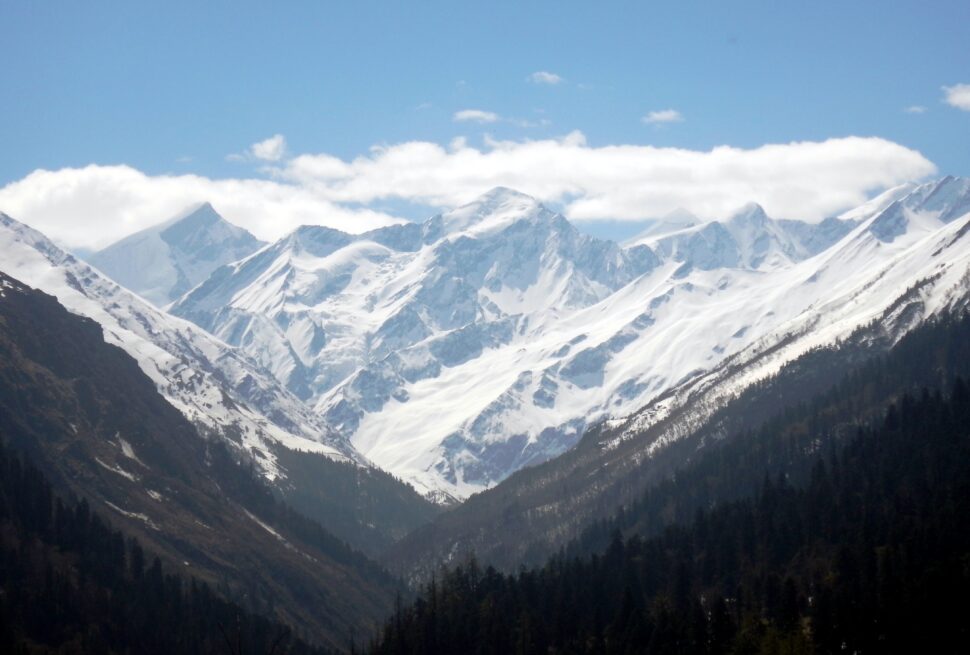
The View: Extremely clear skies offering sharp, panoramic views of Kedar Dome, Chaukhamba, and Nanda Devi peaks.
2. Summer (May to June) – Best for Families & Pilgrims
This is the peak trekking season in Uttarakhand. The weather is highly pleasant, making the trail accessible to everyone from children to senior citizens.
-
Weather: Warm and sunny. 15°C to 25°C during the day.
-
Why Visit: The gates of the holy Tungnath Temple open in May, attracting pilgrims from across the globe. The lush green alpine meadows (Bugyals) are at their finest during these months.
-
Pro Tip: Since this is the busiest time of the year, make sure to book your Chopta Tungnath package well in advance to avoid last-minute availability rushes.
3. Monsoon (July to September) – The Valley of Vibrant Green
If you want to see India’s “Mini Switzerland” in its greenest glory, monsoon is the time. However, it comes with specific mountain risks.
-
Weather: Wet, humid, and misty. Frequent rain showers throughout the day.
-
Why Visit: The region’s biodiversity is at its peak. You’ll see rare Himalayan birds, fresh alpine flowers, and vibrant moss-covered trails.
-
The Challenge: Roads leading to Chopta (via Ukhimath or Mandal) can be highly prone to landslides. The trekking trail becomes slippery, requiring extra caution.
4. Autumn (October to November) – The Photographer’s Delight
Post-monsoon, the atmosphere is completely washed clean of dust and haze, offering the absolute best visibility of the entire year.
-
Weather: Crisp, cold, and windy. Daytime temperatures hover around 10°C, dropping to -2°C at night.
-
Why Visit: If you are into astrophotography, star-gazing, or want to witness a golden sunset/sunrise over the snow-peaked Himalayas from Chandrashila, this is your golden window.
-
Temple Status: The Tungnath temple usually closes its doors for the winter season in late October or early November.
5. Winter (December to February) – The Ultimate Snow Adventure
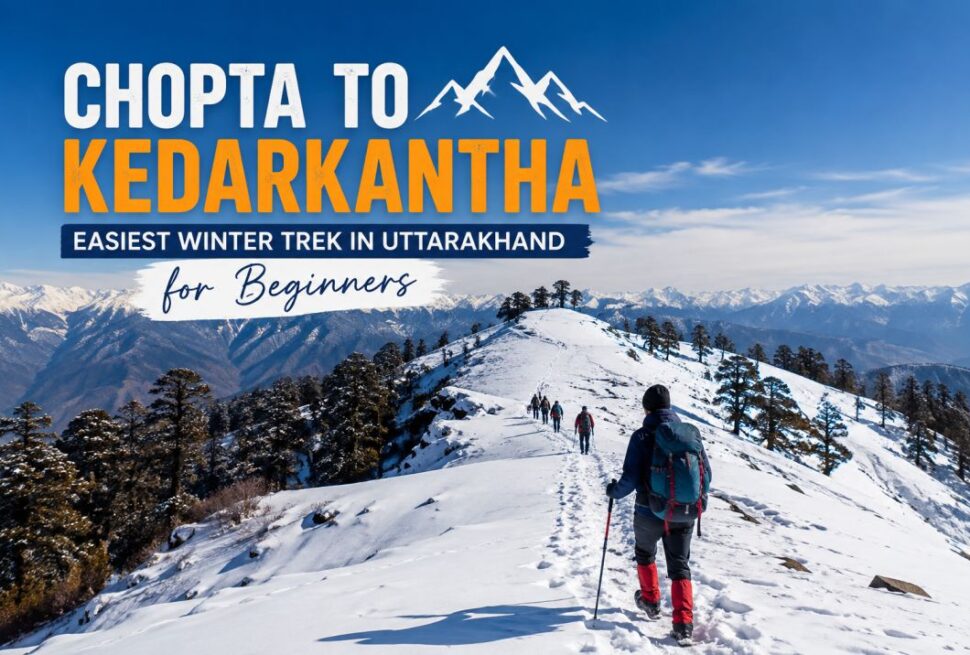
Are you a thrill-seeker who loves winter landscapes? The Chopta Tungnath Winter Trek transforms into an entirely different beast.
-
Weather: Harsh, freezing, and extreme. Temperatures frequently drop to -10°C or lower.
-
Why Visit: The entire trail gets buried under a thick, heavy blanket of snow. The temple itself is closed, and the symbolic deity is moved to Makkumath, but the trek to the Chandrashila summit remains open (depending on safe snow levels).
-
Experience: It’s a pristine white wonderland. Perfect for adventure enthusiasts who want to experience true high-altitude snow trekking.
Chopta Tungnath Weather & Temperature Chart
Here is a quick month-by-month temperature breakdown to help you pack correctly:
| Months | Avg Temp (Day) | Avg Temp (Night) | Key Highlights |
|---|---|---|---|
| Jan - Feb | 5°C | -10°C | Heavy Snow / Pure Snow Trekking |
| Mar - Apr | 12°C | 2°C | Rhododendron Blooms / Clear Weather |
| May - Jun | 20°C | 8°C | Temple Opening / Lush Meadows |
| Jul - Sep | 18°C | 10°C | Misty Landscapes / Monsoonal Greenery |
| Oct - Nov | 10°C | -2°C | High Himalayan Visibility / Golden Peaks |
| Dec | 7°C | -5°C | Onset of Winter / Early Snowfall Tracks |
How to Reach Chopta Base Camp
To kickstart your Chopta Tungnath journey, you need to reach the base camp in Uttarakhand:
-
By Air: Jolly Grant Airport (Dehradun) is the nearest operational airport. From there, you can hire direct or shared cabs to Chopta.
-
By Rail: Yog Nagari Rishikesh or Haridwar Junction are the closest railway networks well connected to major Indian cities.
-
By Road: Regular buses and private/shared taxis run daily from Rishikesh to Chopta via the scenic Devprayag and Rudraprayag routes.
Essential Packing Checklist
Regardless of the season you choose, your mountain backpack should always contain:
-
Layered Clothing: High-quality thermals, a warm fleece layer, and a heavy down jacket.
-
Sturdy Footwear: Proper trekking shoes with deep lugged soles and ankle support.
-
Sun Protection: UV-rated sunglasses, high SPF sunscreen, and a sun cap (mountain UV rays are very harsh).
-
Hydration & Safety: At least a 2-liter reusable water bottle and a basic personal medical kit.
Why Choose Trektonic Adventures?
Trekking safely in the Himalayas requires certified expertise and deep local ground knowledge. At Trektonic Adventures, we guarantee:
-
Safety-First Approach: Certified Wilderness First Responder (WFR) trek leaders and premium-grade safety gear.
-
Curated Stays: Handpicked cozy campsites and authentic local homestays.
-
Eco-Friendly Operations: We strictly practice “Leave No Trace” principles to keep our mountains clean.
Conclusion: Which Season is Best for You?
-
For the best scenery and comfort: Choose April to June.
-
For high-altitude snow adventure: Choose January or February.
-
For peace and photography: Choose October or November.
The Chopta Tungnath Trek is not just a hike; it’s a soul-stirring experience. No matter when you go, the mountains will leave you changed.
Ready for the climb? Contact Trektonic Adventures today!