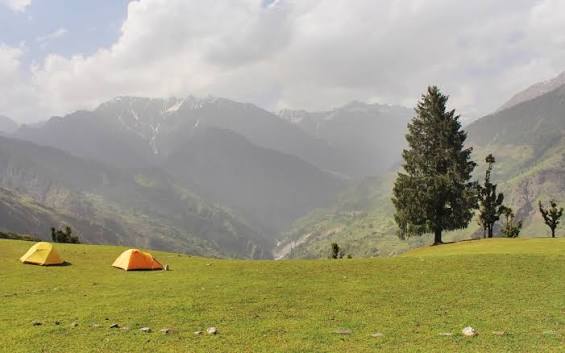
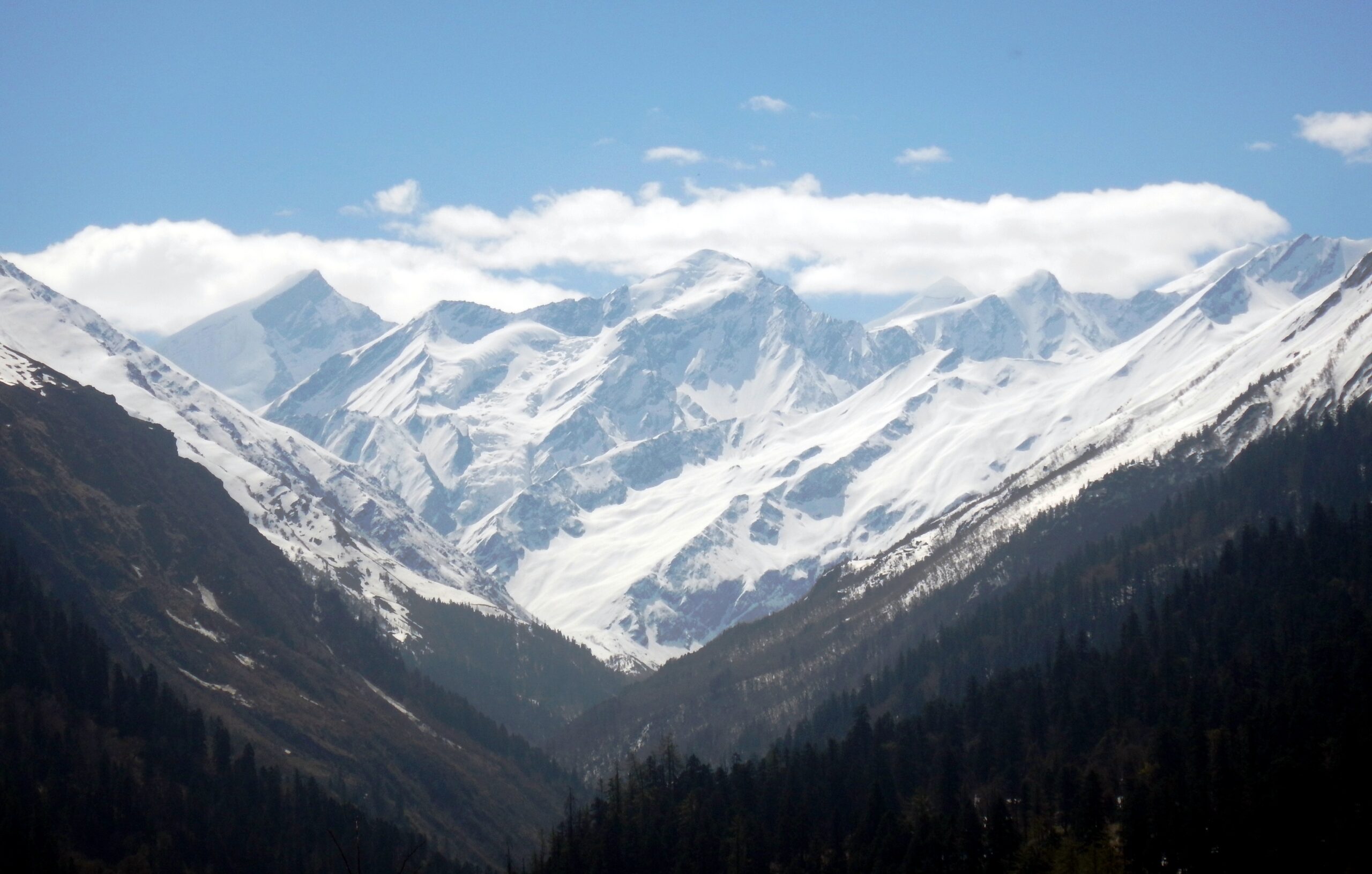
Har Ki Dun Valley, also spelled Har Ki Doon Valley, is a high-altitude hanging valley in Uttarkashi district, Uttarakhand, at about 3,566 metres (11,700 feet). It lies inside Govind Pashu Vihar National Park and is reached on foot from the village of Sankri. The best months to visit are April to June and September to November.
Some valleys you visit, and some you remember. Har Ki Dun belongs to the second kind. Tucked into the western Himalaya, it feels removed from everything: no highway noise, no crowded viewpoints, just pine forests, a rushing river, wooden villages, and snow peaks that seem close enough to touch.
Whether you spell it Har-ki-Dun Valley or Har Ki Doon Valley, travellers searching for a quiet, culturally rich Himalayan escape keep arriving at the same place. This guide covers what the valley is, why it is called the Valley of Gods, when to go, how to get there, what to see, and where to stay.
What is Har Ki Dun Valley?
Har Ki Dun is a U-shaped glacial valley in the Garhwal region of Uttarakhand, inside Govind Pashu Vihar National Park. It sits at roughly 3,566 m and is the endpoint of one of the state’s most popular moderate treks.
Many travellers call the area Har Ki Dun National Park, though the protected area is officially Govind Pashu Vihar National Park and Sanctuary, and the valley is one of its highlights.
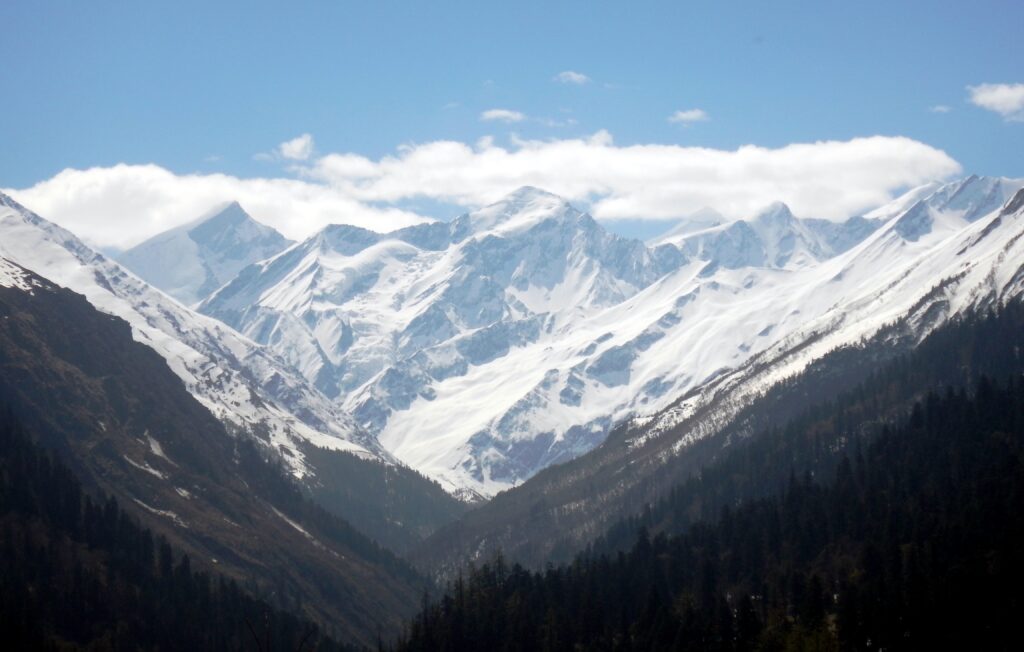
The Supin river carves the valley floor, later joining the Rupin to form the Tons. Alpine meadows spread across the bottom, and the peaks of Swargarohini, Bandarpoonch, and Black Peak rise around it. Because the route passes through inhabited villages rather than empty wilderness, Har Ki Dun Garhwal carries as much culture as scenery.
Why is Har Ki Dun called the Valley of Gods?
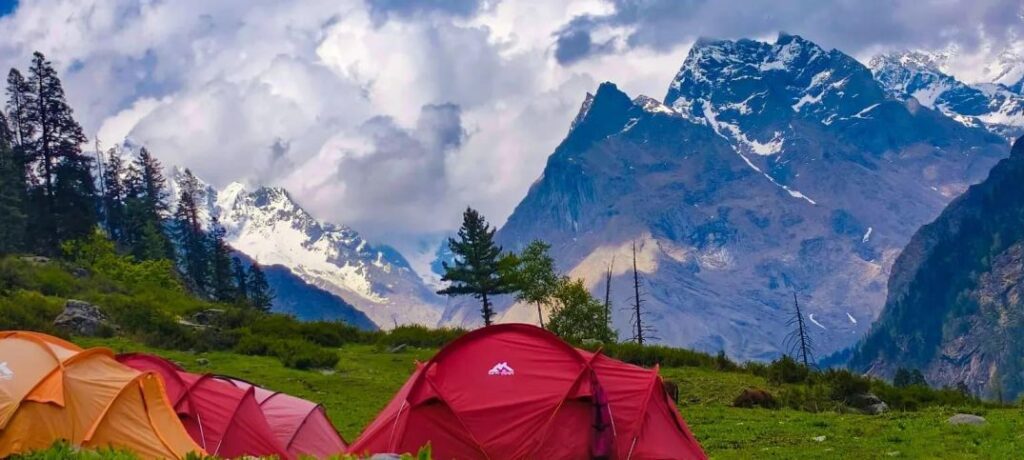
The name comes from local belief and mythology. The region is closely tied to the Mahabharata, and villagers worship local deities in temples across the valley. Swargarohini peak, above Har Ki Dun, is believed to be where the Pandavas began their final journey to heaven.
“Swargarohini” means “ascent to heaven.” Local tradition says Yudhishthira, the eldest Pandava, made that final climb from here.
Worship in this part of Garhwal also looks different from the rest of India. Villages around Osla follow their own devta traditions, with Someshwar honoured as protector of the valley. Even Duryodhana, usually seen as the villain of the epic, is venerated here, which surprises many first-time visitors.
Where is Har Ki Dun Valley located?
Har Ki Dun Uttarakhand lies in Uttarkashi district, inside Govind Pashu Vihar National Park and Sanctuary. The trailhead village is Sankri, around 190 to 200 km by road from Dehradun.
Sankri sits at about 1,950 m. From there, the valley is reached on foot over roughly 25 km one way, usually spread across three days. For travellers exploring the Har Ki Dun Himalayas, this makes it one of the more accessible high valleys in the state.
Best time to visit Har Ki Dun Valley
April to June and September to November are the best months. Monsoon (July and August) is risky because of landslides and slippery trails and winter (December to March) brings heavy snow and freezing nights.
- April to June: Warm days, green meadows, and rhododendrons in bloom. Nights are still cold at the higher camps.
- July to August: Heavy rain, leeches in the lower forests and a higher chance of road blockages. Best avoided.
- September to November: Clear skies, crisp air, and sharp mountain views, with autumn colours in the forests. With early October here, this is peak season.
- December to March: A snow-covered valley of rare beauty, but only for prepared travellers with proper winter gear.
How to reach Har Ki Dun Valley
Short answer: Travel to Dehradun first, then take a road journey of about 9 to 10 hours to Sankri via Mussoorie, Purola, and Mori. From Sankri, the valley is reached on foot.
- By air: The nearest airport is Jolly Grant Airport in Dehradun.
- By rail: The nearest major railhead is Dehradun.
- By road from Delhi: Take an overnight bus or train to Dehradun, then continue by bus, shared taxi, or private cab to Sankri.
- Final stretch: Shared vehicles run from Sankri to Taluka, where the trail begins.
Hill roads change with the weather, so start early and keep a buffer day if your schedule is tight.
Top places to see in and around Har Ki Doon Valley
Short answer: The highlights are Osla village and its Someshwar temple, views of Swargarohini and Bandarpoonch, the meadows at Har Ki Dun, and side trips to Jaundhar Glacier and Ruinsara Lake.
Sankri. The base village has the last shops, homestays, and permit offices. It is a good place to acclimatise and meet local guides.
Taluka and Gangad. The trail follows the Supin river through pine and walnut forest. Gangad is a common overnight halt, with wooden houses and open views.
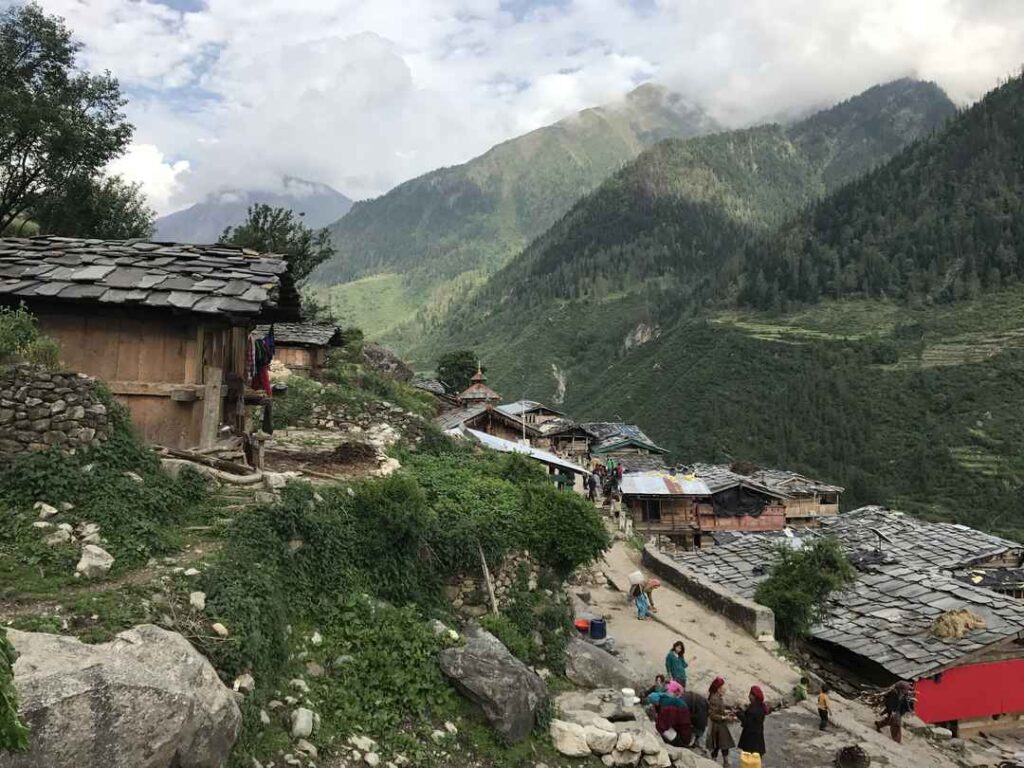
Osla village. The cultural heart of the route. Carved wooden houses, the Someshwar temple, and a way of life that has changed little over generations make it the stop most visitors remember best.
Har Ki Dun meadows. The valley floor opens into wide grassland with Swargarohini filling the horizon. Spend a full day here if you can, because the light changes constantly from sunrise to dusk.
Jaundhar Glacier. A challenging side trip for fit, experienced trekkers, best attempted with a guide.
Ruinsara Lake. A quiet alpine lake reached by a branch trail from Osla, popular with those who want to extend the journey.
Wildlife, flora, and landscape
The protected forests around Har Ki Dun National Park shelter Himalayan black bear, musk deer, and snow leopard, along with birds such as the Himalayan monal. The lower valley has oak, deodar, and pine forests, while the upper valley opens into alpine meadows.
Sightings of large animals are rare, but birdwatchers will enjoy the trail. Early mornings near the forest stretches are the best time to look.
Where to stay in Har-ki-Dun Valley
Options include homestays in Sankri, Gangad and Osla, GMVN and forest rest houses and tented camps along the trail. Facilities are basic, with simple rooms and shared bathrooms.
- Sankri: Homestays, small guesthouses, and trekking company bases.
- Gangad and Osla: Village homestays offer a warm, local experience.
- Har Ki Dun: A rest house and camping spots near the meadows. Book ahead in peak season.
Local culture and food
Short answer: Garhwali hospitality is the highlight. Expect simple, hearty meals like dal, rice, rotis, seasonal vegetables, and local specialities such as red rice and millet-based dishes.
Villagers are used to travellers but live a rural, close-knit life. Ask before photographing people or temple interiors, dress modestly in villages and follow local customs around shrines.
Travel tips for visiting Har Ki Dun Valley
- Permits: The valley falls inside a national park, so entry permission is required. This is usually arranged in Sankri through your operator or the forest office. Carry government photo ID for every traveller and confirm current rules before you go.
- Pack in layers: Nights are cold even in summer. Bring a warm jacket, waterproof shell, and sturdy trekking shoes.
- Carry cash: ATMs are unreliable beyond Purola, so withdraw money in Dehradun.
- Expect limited network: Signal is patchy in Sankri and mostly absent on the trail. Tell family your plan in advance.
- Respect the environment: Carry your waste back, avoid plastic, and keep to marked trails.
- Go slow: Gradual walking helps your body adjust to altitude. Rest if you feel headache, nausea, or dizziness.
Is Har Ki Dun Valley safe?
Short answer: Yes, in the right season and with proper preparation. The main concerns are weather changes, slippery sections after rain, and altitude. First-timers should travel with a registered operator or an experienced local guide.
If you are planning the walk itself, our guide to the Har Ki Dun trek for beginners covers the day-by-day itinerary, fitness plan and packing list.
Frequently asked questions
Where is Har Ki Dun Valley located?
It is in Uttarkashi district, Uttarakhand, inside Govind Pashu Vihar National Park, about 200 km from Dehradun by road to the trailhead at Sankri.
Is Har Ki Doon Valley the same as Har Ki Dun Valley?
Yes. Both spellings refer to the same valley. “Dun” and “Doon” are two common transliterations of the same Hindi word.
Why is Har Ki Dun called the Valley of Gods?
The name reflects the region’s link to the Mahabharata and the local worship of village deities. Swargarohini peak above the valley is tied to the Pandavas’ final journey.
What is the altitude of Har Ki Dun Valley?
Approximately 3,566 metres (11,700 feet) above sea level.
What is the best time to visit Har Ki Dun Valley?
April to June and September to November.
Can you reach Har Ki Dun Valley by road?
No. Roads end at Taluka near Sankri, and the rest of the journey is on foot.
How many days do you need?
Plan for 6 to 7 days including travel from Dehradun and back.
Is there mobile network in the valley?
Very limited. Expect signal only in Sankri and a few spots along the way.
Do I need a permit?
Yes. Entry to Govind Pashu Vihar National Park requires permission, usually organised in Sankri.
Final thoughts
Har Ki Dun Valley rewards patience. The road is long, the trail is unhurried, and the facilities are modest, which is exactly why it feels so special. You come for the Himalayas and leave with memories of villages, temple bells, woodsmoke, and a sky full of stars. Choose the right season, pack light, respect local culture, and give the valley the time it deserves.