
Har Ki Dun Trek Villages: A Walk Through the Last Settlements of Garhwal
Most people plan the Har Ki Dun trek around the destination: the open meadow at 3,566 metres, the Swargarohini peaks and the snow-fed streams. What many trekkers don’t expect is that the villages on the way become the most memorable part of the trip.
On this route you pass through living Himalayan settlements, with wooden houses, terraced fields, village temples and people who still follow customs older than the trek itself. This guide covers each village on the Har Ki Dun trek route, what to expect there and how to travel through them respectfully.
Why the Villages Matter on the Har Ki Dun Trek
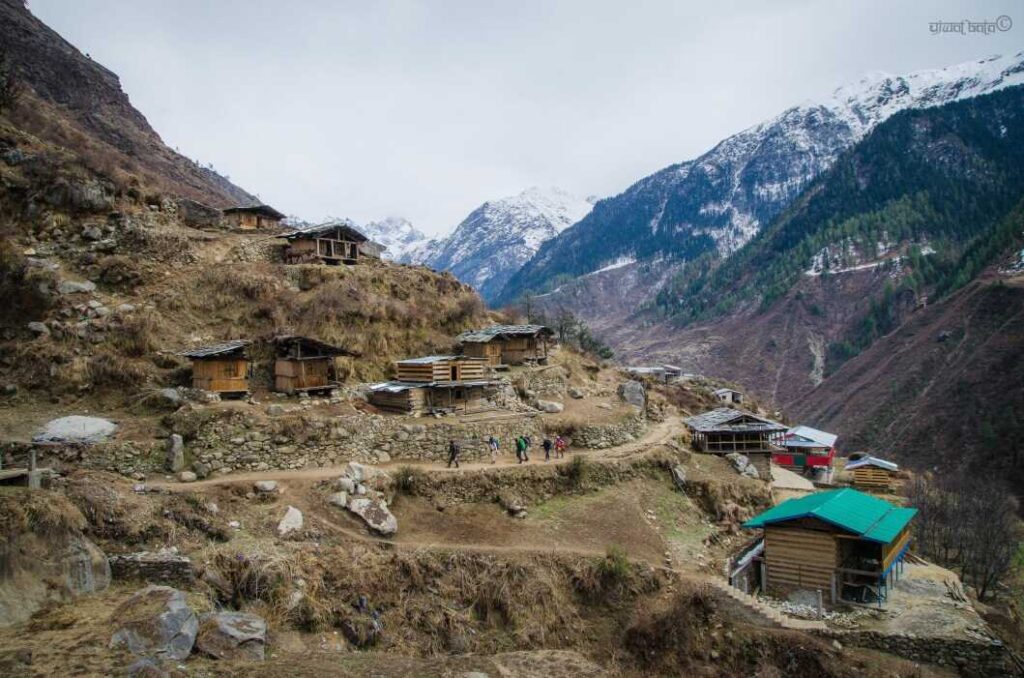
Har Ki Dun sits inside the Govind Pashu Vihar National Park and Sanctuary in Uttarkashi district, Uttarakhand. The valley is often called the “Valley of Gods”, and the villages along the trail are a big reason why. Unlike many trekking routes where you walk through empty wilderness for days, here the trail connects one inhabited settlement to the next.
That changes the experience in three ways:
- You get cultural context. Each village has its own temple, architecture and story.
- You can rest and refuel. Homestays and small tea shops make the trek more comfortable, especially for beginners.
- Your visit supports local families. Trekking is one of the main sources of income here, alongside farming and livestock.
The Route at a Glance
| Stage | Place | Approx. Altitude* |
|---|---|---|
| Start | Sankri | ~1,950 m |
| Drive | Taluka | ~2,100 m |
| Trek | Gangad | ~2,200 m |
| Overnight | Osla | ~2,560 m |
| Trek | Seema / Kalkattiyadhar | ~2,600–3,000 m |
| Destination | Har Ki Dun | ~3,566 m |
Altitudes are approximate and can vary slightly by source.
The classic itinerary starts from Dehradun, which is roughly a 9 to 10 hour drive to Sankri depending on traffic and road conditions. Most trekkers take about 6 to 7 days for the full round trip, including travel days.
1. Sankri: The Base Village
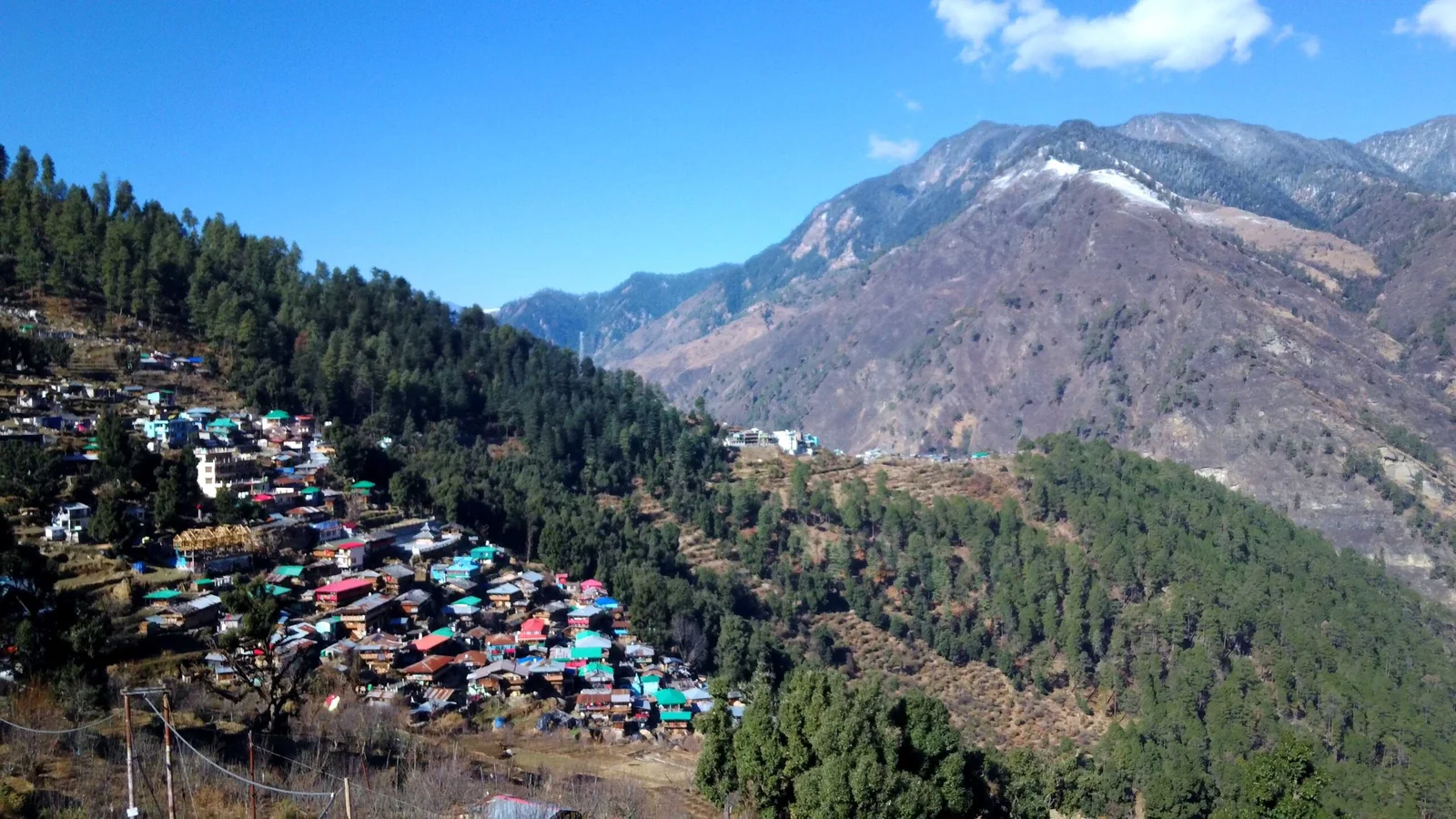
Sankri is where almost every Har Ki Dun journey begins. It is a small but busy mountain village with guesthouses, a few shops, trek operators and forest permit offices. This is also where you complete the entry formalities for the national park area.
Spend your first evening here getting used to the altitude. Walk around the village lanes and you’ll notice traditional wooden homes and stacks of firewood outside many houses. Firewood is not decoration. It is how people survive the cold winters.
2. Taluka: Where the Trail Really Begins
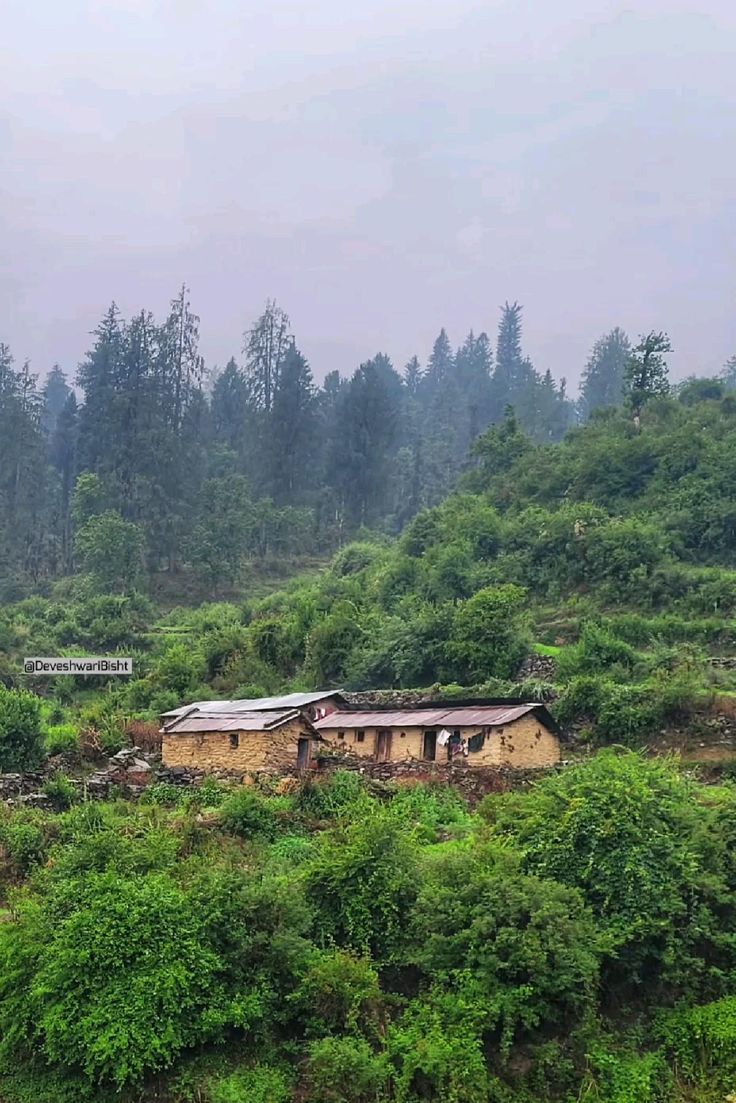
From Sankri, a short drive takes you to Taluka, roughly 11 to 12 km away. The road ends here and the walking begins. Taluka is a small settlement beside the Supin river, with a forest rest house and a few places to eat.
If your group is short on time, this stretch by road saves energy for the days ahead. Several trekkers also choose to walk it for a gentler warm-up.
3. Gangad: A Quiet Village by the River
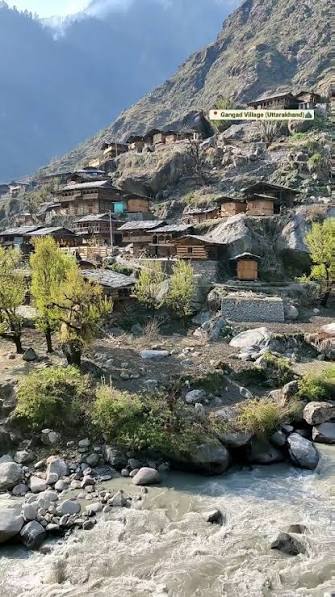
The trail from Taluka follows the Supin river through forests and farmland. Gangad is a small village along this stretch, and you’ll cross a few small bridges and see fields of crops such as rajma and millets depending on the season.
This is a good place for a tea break. Take a moment to look at how the houses are built. Slate roofs and wooden frames are designed to handle heavy snow and strong mountain weather.
4. Osla: The Cultural Heart of the Route
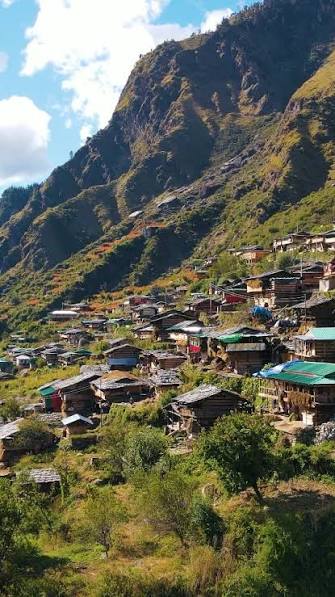
If one village defines the Har Ki Dun trek, it is Osla. It is typically the first overnight halt and one of the most photographed villages in the region.
Osla is known for its traditional wooden architecture and for the temple of Someshwar Devta, the local deity who is deeply respected across the Supin valley. Locals also tell stories linking the region to the Mahabharata, and the nearby Swargarohini peaks are traditionally associated with the Pandavas’ final journey. These are local beliefs and oral traditions, and it’s worth listening to them in the villagers’ own words rather than expecting a fixed version.
A few things to keep in mind when you visit:
- Ask before entering temple premises and follow local rules about footwear and photography.
- Dress modestly in the village.
- Avoid loud music or littering near homes and shrines.
Most homestays in Osla serve simple, freshly cooked vegetarian meals. Expect dal, rice, rotis and seasonal vegetables. It is basic food, but after a day of walking it tastes better than most restaurant meals.
5. Seema and the Upper Trail
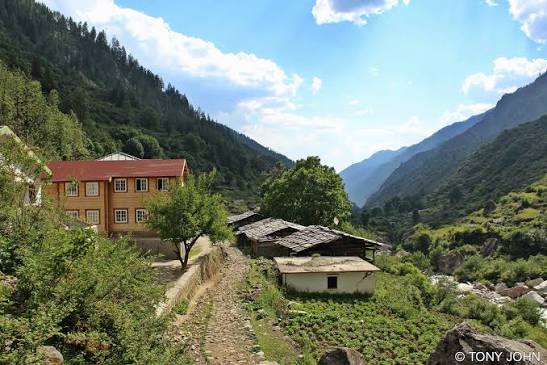
Beyond Osla, the trail climbs gradually through forests and meadows toward Seema, a small high-altitude settlement. From here the landscape opens up, and you start getting clear views of peaks like Swargarohini and Bandarpoonch on a good weather day.
Villages become fewer as you move higher, and the route gradually shifts from farmland to alpine terrain. By the time you reach Har Ki Dun, you are walking in open meadows with the Jaundhar glacier area and snow peaks around you.
Nearby Side Trails Worth Knowing
Many trekkers extend the trip to Ruinsara Tal, a quiet lake reached via a side trail from the Har Ki Dun route. It requires extra days and good fitness, but the scenery is very different from the main valley, with fewer people and a more remote feel.
Best Time to Visit These Villages
- April to June: Pleasant weather, green valleys and rhododendron blooms at some elevations.
- September to November: Clear skies, crisp views and harvest-season activity in the villages.
- Winter (December to March): Snow transforms the route, but conditions are tougher and cold nights are serious. Go with an experienced team.
- Monsoon (July to August): Landslides and slippery trails make this period risky. It is generally avoided.
Responsible Travel in Village Areas
Because you are walking through homes and farmland, small habits matter:
- Carry back all your waste, including wrappers and plastic.
- Hire local guides, porters and homestays whenever possible.
- Ask permission before photographing people.
- Don’t pluck crops or flowers along the trail.
- Use water sparingly, since village water sources are shared.
Planning Your Har Ki Dun Journey
If you want the cultural side and the mountain scenery without handling the logistics yourself, a well-organised trip makes a big difference. Permits, local stays, food, trained guides and safety planning are all handled for you.
You can check the full itinerary, dates and inclusions on our Har Ki Dun trek page and plan your trip with an experienced local team.
Frequently Asked Questions
Which villages come on the Har Ki Dun trek?
The main ones are Sankri, Taluka, Gangad, Osla and Seema, with other small settlements along the route.
Is Osla village worth visiting?
Yes. It’s known for traditional architecture and the Someshwar temple, and it’s a natural overnight stop.
Are homestays available on the route?
Yes, basic homestays and guesthouses are available in Sankri and Osla, and camping is common at other points.
Is the Har Ki Dun trek suitable for beginners?
It is generally considered moderate and is popular with first-time Himalayan trekkers who prepare well physically.
How many days does the trek take?
Around 6 to 7 days including travel from Dehradun.
Final Thoughts
The Har Ki Dun trek is often described through its peaks and meadows, but the villages are what give the route its character. Walk slowly, talk to people and spend time in places like Osla and you’ll come back with more than photographs.