Why Kedarkantha Is the Perfect First Himalayan Trek
If you are looking for your first Himalayan adventure, the Kedarkantha trek is hard to beat. It sits in the Govind Wildlife Sanctuary area of Uttarkashi district, Uttarakhand, and takes you through pine and oak forests, a lake that often freezes in winter, open snow meadows and a summit at about 12,500 ft.
It is often called one of India’s best winter treks, and for beginners the reasons are practical: the trail is well defined, the days are short, the base village is easy to reach, and the summit view of Swargarohini, Bandarpoonch, Kalanag and Black Peak makes the effort feel completely worth it.
This guide explains who the trek suits, how hard it really is, what each day looks like, when to go, how to prepare and what to ask before you book.
Quick answer: Yes, Kedarkantha is a very good first Himalayan trek for people with basic fitness. It is rated easy to moderate, takes about 6 days from Dehradun, and has short trekking days of around 4 to 6 hours. It is more demanding in winter because of snow, cold and a steep summit climb, so preparation and a guided group matter.
Kedarkantha Trek Quick Facts
- Location: Govind Wildlife Sanctuary area, Uttarkashi district, Uttarakhand
- Base village: Sankri, about 200 km from Dehradun
- Duration: About 6 days from Dehradun and back (4 trekking days)
- Summit altitude: About 12,500 ft (around 3,800 m)
- Total trek distance: Approximately 20 to 25 km
- Difficulty: Easy to moderate
- Walking per day: About 4 to 6 hours, longer on summit day
- Best time: December to April for snow, April to June for green meadows
- Suitable for: Beginners with basic fitness, students, working professionals and families. [Add your operator’s age policy here.]
7 Reasons Kedarkantha Works So Well for Beginners
1. Easy to Moderate Difficulty
The Kedarkantha peak trek is rated easy to moderate. You walk roughly 4 to 6 hours a day on most days, and the altitude gain is spread across the trek, which gives your body time to adjust. Summit day is the one long, steep day, and it is the only part that truly tests you.
2. A Reliable Winter Snow Experience
From mid-December to March, much of the route is usually covered in snow, and for many first-timers this is the first time they walk on a snowy trail or watch snowfall at a campsite. Snow depth changes every year, so no one can promise exact conditions on a particular date. Mid-December to February is the safer window if snow is your priority.
3. Short Duration
The trek takes 6 days from Dehradun, which fits into a long weekend plus a few days of leave. You do not need weeks off to enjoy a proper Himalayan trek.
4. Variety in a Few Days
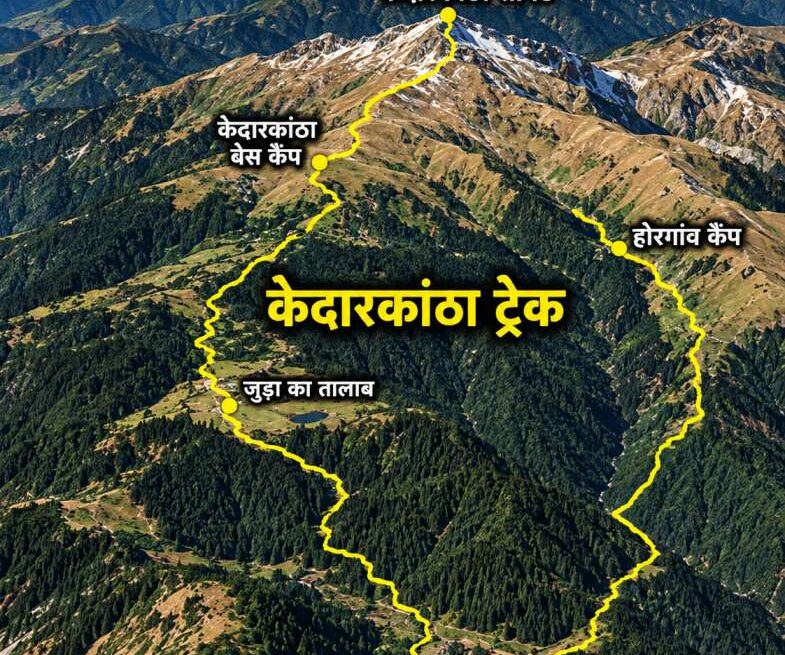
In a short time you pass through forest paths, the Juda Ka Talab lake, open meadows, a high base camp and a summit with a wide mountain panorama. Few treks pack this much variety into so few days.
5. Easy to Reach
Sankri, the base village, is a one-day drive from Dehradun, which is well connected to Delhi by road, rail and air. There is no remote or complicated starting point.
6. Simple, Well-Organised Camps
Camps at Juda Ka Talab, Kedarkantha Base and Hargaon sit in clearings with good views. With an experienced trek leader, first-timers get guidance on pace, layering and safety at every step.
7. Good Value for Money
Compared to many Himalayan treks, Kedarkantha packages are reasonably priced, which makes it a sensible choice for a first trek. [Add your current price range from your Kedarkantha page.]
Kedarkantha Trek Itinerary: 6 Days in Detail
Campsites, timings and altitudes vary slightly between operators and batches, and weather can change the plan. [Match every day below to your own itinerary before publishing.]
Day 1: Dehradun to Sankri
- Distance and time: About 200 km, 8 to 10 hours by road
- Altitude at Sankri: About 6,400 ft
- Route: Through Mussoorie, Purola and Mori along the river valleys
- Evening: Guesthouse check-in, trek briefing, gear check and early dinner
Start early from Dehradun. The road is winding, and a delay on the way is common, so keep a buffer.
Day 2: Sankri to Juda Ka Talab
- Distance and time: About 4 km, 3 to 4 hours
- Altitude at Juda Ka Talab: About 9,100 ft
- Altitude gain: Roughly 2,500 to 2,700 ft
A short but steady climb through pine and oak forest brings you to the famous Juda Ka Talab lake, often frozen in winter, with a campsite in a clearing among tall trees. You start walking on snow here in peak winter. Spend the afternoon resting, and keep your layers on once the sun goes down.
Day 3: Juda Ka Talab to Kedarkantha Base Camp
- Distance and time: About 4 km, 3 to 5 hours
- Altitude at base camp: About 11,250 ft
The trail climbs through snow-dusted forest to an open meadow ringed by trees and peaks. This is the coldest campsite of the trek, so put on your warm layers as soon as you arrive, eat well and sleep early. You usually see the summit from here.
Day 4: Kedarkantha Base to Summit, then Descent to Hargaon
- Summit altitude: About 12,500 ft
- Start time: Before sunrise, usually in the early morning hours
- Duration: The longest day, with a steep climb, summit time and a long descent
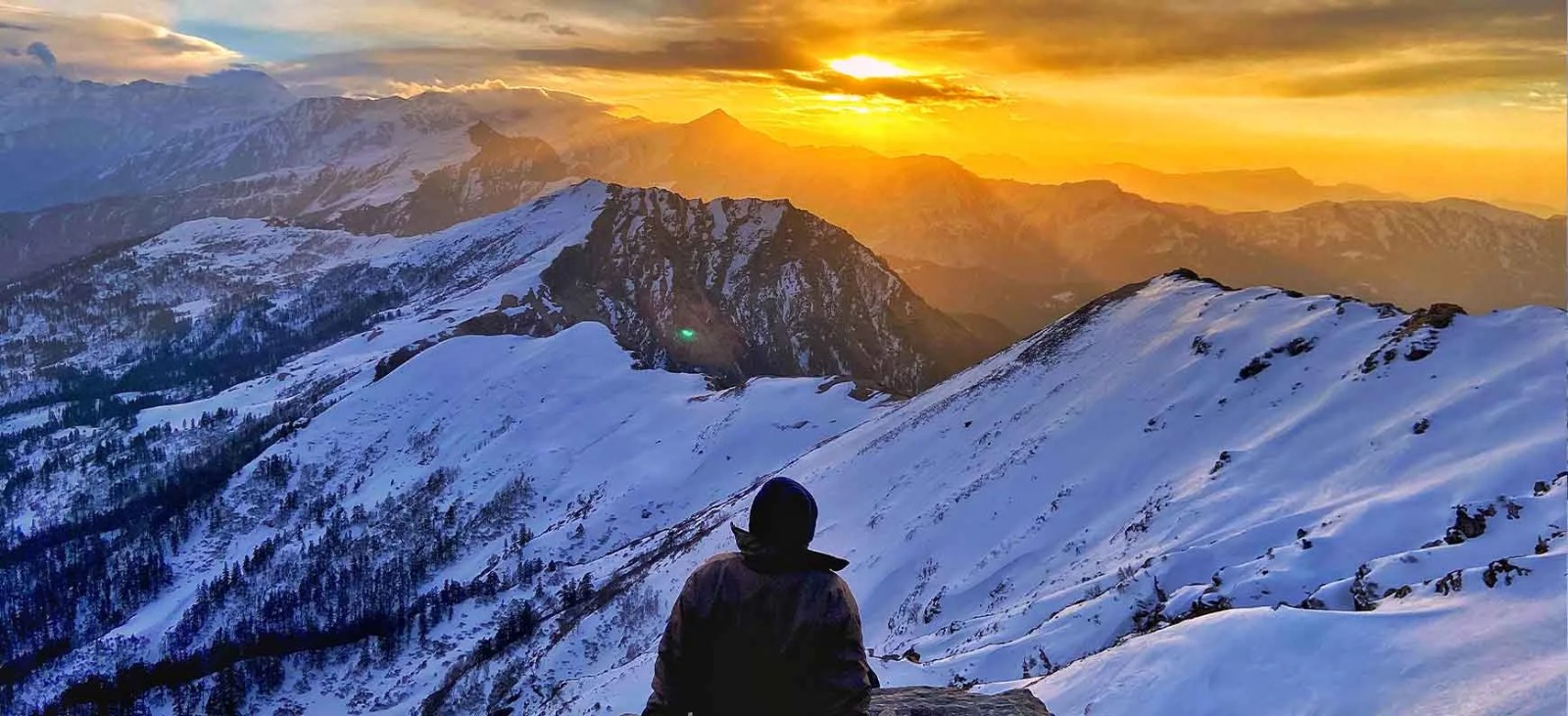
You climb in the cold dark, reach the summit in time for sunrise and take in the 360-degree view of Swargarohini, Bandarpoonch, Kalanag and Black Peak. After photos and rest, you descend to Hargaon camp. This is the day to go slowly, follow your leader’s instructions and turn back if the wind or weather is bad.
Day 5: Hargaon to Sankri
A downhill walk through quiet forest trails of about 3 to 4 hours. Trekking poles help your knees. You spend the night at Sankri with time to rest.
Day 6: Sankri to Dehradun
A drive of 8 to 10 hours, reaching Dehradun by evening. Avoid booking a flight or train for the same night, since mountain roads can cause delays.
Kedarkantha Trek Best Time to Visit
The best time for the Kedarkantha trek depends on what you want to see.
- December to February: Deep snow, a frozen lake and the classic winter trek. The most popular window, and the coldest.
- March to April: Snow on the upper trail with milder temperatures and clearer skies.
- May to June: Green meadows, pleasant weather and blooming forests, with little or no snow.
- September to November: Clear post-monsoon views, with early snow possible in late November.
- July and August: Avoid. Heavy monsoon rain makes the trail and road risky.
For first-timers who want snow, the best window is late December to mid-March. If you prefer milder weather and do not need snow, April to June is gentler.
How Cold Does It Get?
Daytime in the sun can feel comfortable, while nights are very cold, especially at Juda Ka Talab and Kedarkantha Base. In peak winter, nights at the base camp can fall well below freezing, and wind makes it feel colder. Summit mornings are the coldest part of the trip. Temperatures vary by year and weather, so treat any number as a guide and pack for the cold.
How Difficult Is Kedarkantha, Really?
Honestly, it depends on the season. In spring and autumn, it is a comfortable moderate trek. In deep winter, snow, ice and cold add effort, and summit day is long. The things that make beginners struggle most are:
- Underestimating the cold at night
- Not training enough
- Wearing the wrong shoes or too many cotton layers
- Rushing the climb and ignoring altitude symptoms
If you can walk 5 to 6 hours at a steady pace, have trained for a few weeks and follow your leader, most people complete it.
Kedarkantha Trek Package: Cost and Inclusions
The Kedarkantha trek package with Trek Tonic Adventures is priced at [add your current price range] per person, depending on the season and group size.
Usually included
- Accommodation (guesthouse and camps)
- All meals during the trek
- Experienced trek leader and guides
- Forest permits and camping charges
- Safety and first-aid equipment
- Transport between Dehradun and Sankri, if your package includes it
Usually not included
- Travel to and from Dehradun
- Personal expenses and porter charges
- Travel insurance
- Anything not mentioned in the itinerary
Always get the inclusions and exclusions in writing before you pay. For a full price breakdown, see our Kedarkantha trek cost guide.
Preparing for Your First Kedarkantha Trek
Start 4 to 6 weeks before departure.
- Walk or jog 4 to 5 km most days, building to 30 to 45 minutes of brisk walking.
- Add stairs, cycling or light cardio twice a week for leg strength.
- Practise carrying a loaded backpack on longer weekend walks.
- Do squats and lunges for knee and thigh strength.
- Break in your trekking shoes well before the trip.
- Sleep well and stay hydrated in the week before departure.
If you have a medical condition, speak to your doctor before booking.
Kedarkantha Trek Packing List
Clothing
- Thermals, a fleece and a down or insulated jacket (use a 3-layer system)
- Waterproof jacket and waterproof trek pants
- Woollen cap, gloves and neck gaiter
- Warm socks, several pairs
- Avoid cotton, since wet cotton makes you colder
Gear
- Waterproof trekking shoes with good grip
- 20 to 30 litre backpack with a rain cover
- Trekking pole
- Headlamp with spare batteries
- Sunglasses, sunscreen and lip balm (snow glare is strong)
- Water bottles
Personal
- Personal medicines and valid ID proof
- Power bank, since cold drains batteries quickly
- Wet wipes and disposable bags
Altitude and Safety for First-Timers
The summit is about 12,500 ft, which is high enough for altitude symptoms even in fit people. Warning signs include a persistent headache, nausea, dizziness and unusual tiredness. Walk slowly, drink water often, eat even if appetite is low, and tell your leader early. Weather can change quickly, and mobile signal is limited after Sankri, so share your itinerary with family and choose an operator with first-aid support and a clear emergency plan.
Comparing Kedarkantha Trek Options
Many first-time trekkers search for Kedarkantha trek Indiahikes and other detailed guides before booking, which is a smart way to research. Whichever operator you choose, compare these points:
- Group size and trek leader experience
- Inclusions: meals, permits, transport and gear
- Safety standards, equipment and emergency support
- Cancellation and refund policy
- Recent, genuine trekker reviews
[Add your actual strengths here, such as group size, leader certifications and pricing policy. Include only claims you can support.]
Why Trek Kedarkantha with Trek Tonic Adventures?
[Replace with your verified points. Examples of what to write only if true: certified trek leaders, group size limit, what safety equipment you carry, clear pricing, support from booking to return.]
Frequently Asked Questions
Is Kedarkantha a good first Himalayan trek?
Yes. It is widely considered one of the best beginner treks in India because of its short duration, clear trail and excellent snow experience.
What is the height of Kedarkantha peak?
About 12,500 ft (around 3,800 m).
What is the best time for the Kedarkantha trek?
December to March for snow, and April to June for green meadows and clear views.
How difficult is the Kedarkantha trek?
Easy to moderate. Anyone with basic fitness and some preparation can complete it, though summit day in winter is demanding.
Is there snow on the Kedarkantha summit?
From December to March the upper trail and summit are usually snow-covered, though depth varies each year.
How many days is the Kedarkantha trek?
About 6 days from Dehradun and back.
What is the Kedarkantha trek package price?
It varies by season and inclusions. Check the latest price on the Trek Tonic Adventures website.
Can beginners do Kedarkantha in winter?
Yes, with 4 to 6 weeks of training, proper winter gear and a guided group.
Book Your Kedarkantha Trek Today
Ready for your first Himalayan summit? Book your Kedarkantha trek with Trek Tonic Adventures and start your mountain journey the right way.
Contact: +91 81718 37222 | info@trektonicadventures.com