1. Where Is Kuari Pass Trek Located?
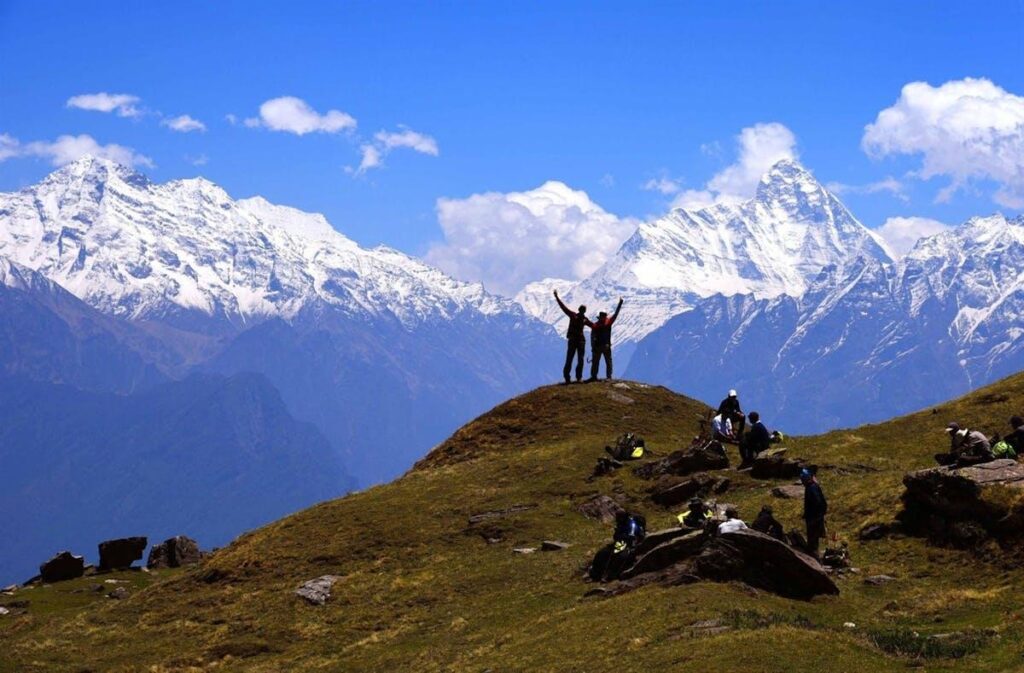
Kuari Pass is situated in the Chamoli district of Uttarakhand, in the Garhwal Himalayas. The trek passes through traditional mountain villages, dense forests, open meadows and high-altitude ridges.
The route offers beautiful views of some of the region’s famous Himalayan peaks, including:
Nanda Devi
Dronagiri
Kamet
Chaukhamba
Neelkanth
Changabang
The surrounding landscapes include the Nanda Devi region, the Auli slopes, Gorson Bugyal and the forests around Tali and Khullara.
2. Is Kuari Pass Trek Good for Beginners?
Yes, Kuari Pass is a good option for beginners who want to explore Himalayan trekking without attempting an extremely technical mountain route.
However, beginners should understand that the trek involves several physically demanding sections.
Why beginners choose Kuari Pass:
Beautiful mountain views: Enjoy views of Nanda Devi, Dronagiri and other Himalayan peaks.
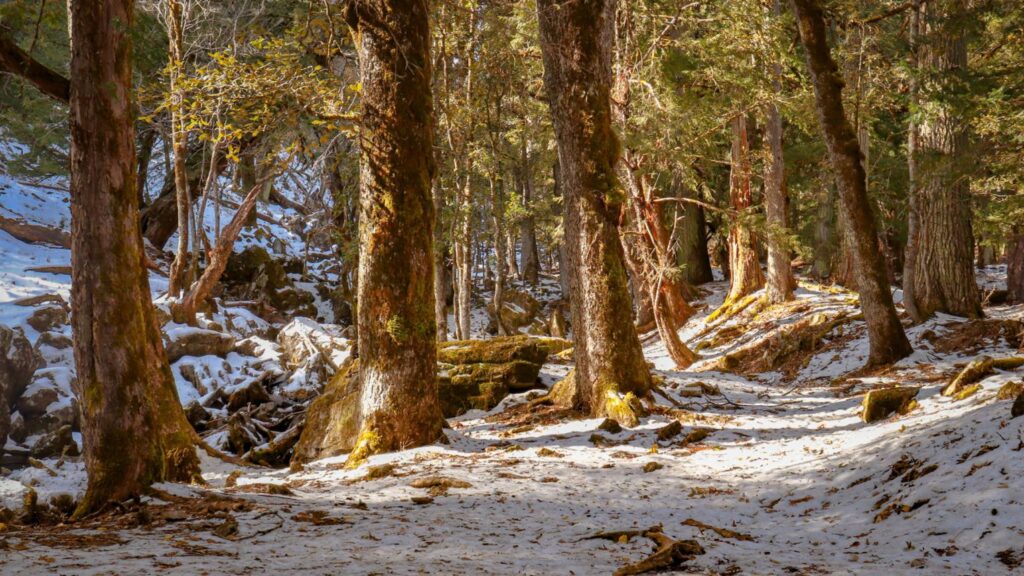
Forest trails: Walk through oak, pine and rhododendron forests.
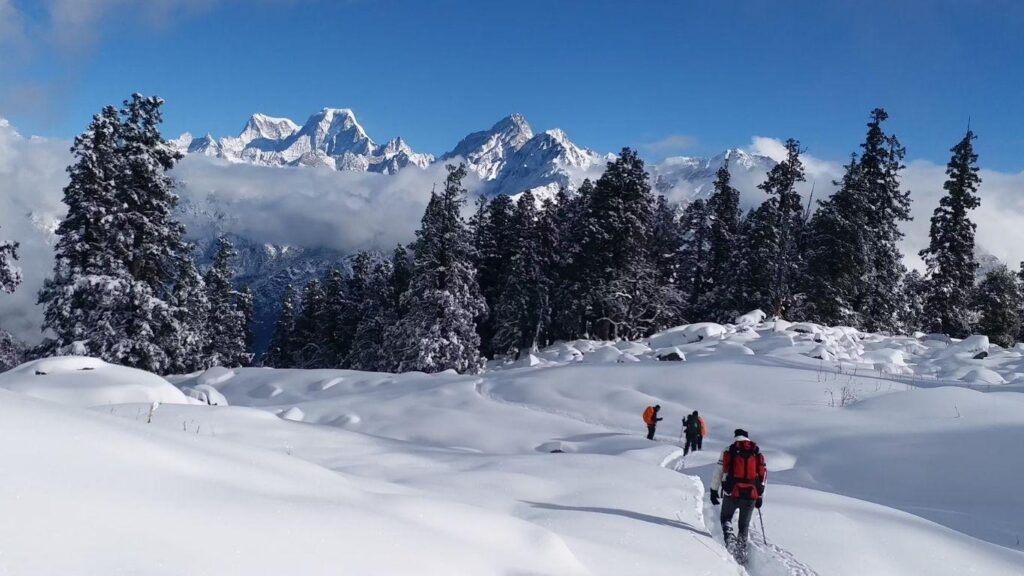
Snow trekking: During winter, the higher sections can become covered with snow.
Open meadows: Explore Gorson Bugyal and other high-altitude landscapes.
Manageable duration: Many organised itineraries take approximately five to six days.
Challenges beginners should prepare for
Steep uphill sections around the beginning of the trek.
Long walking days, particularly on the pass-crossing day.
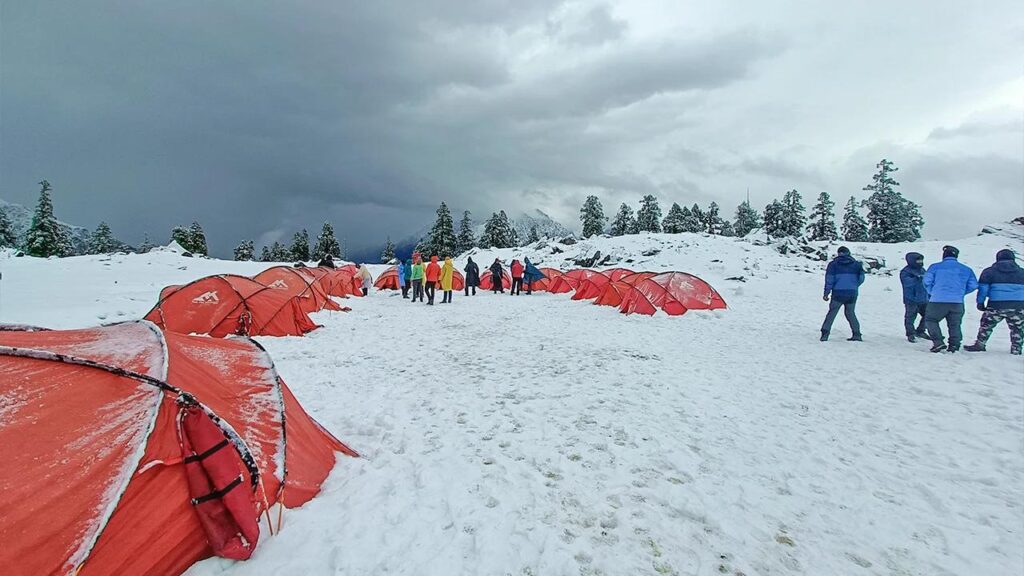
Cold nights at higher camps.
Slippery trails and reduced visibility during snowfall.
Physical exhaustion caused by altitude and continuous walking.
My recommendation is to complete some regular walking and stair-climbing practice before departure. Choose an itinerary with appropriate acclimatisation and a qualified trek leader.
3. Kuari Pass Trek Route and Major Attractions
The classic Kuari Pass route generally starts from Dhak or Karchi village and passes through several beautiful Himalayan locations.
Important places on the Kuari Pass route
| Location | What Makes It Special |
|---|---|
| Dhak / Karchi | Starting point of the classic route |
| Akhrotghetta | Forest campsite and mountain surroundings |
| Khullara | High-altitude campsite with Himalayan views |
| Kuari Pass | Main mountain pass and panoramic views |
| Tali | Beautiful forest campsite |
| Gorson Bugyal | Open alpine meadow |
| Auli | Mountain destination famous for skiing and Himalayan scenery |
Main trekking route
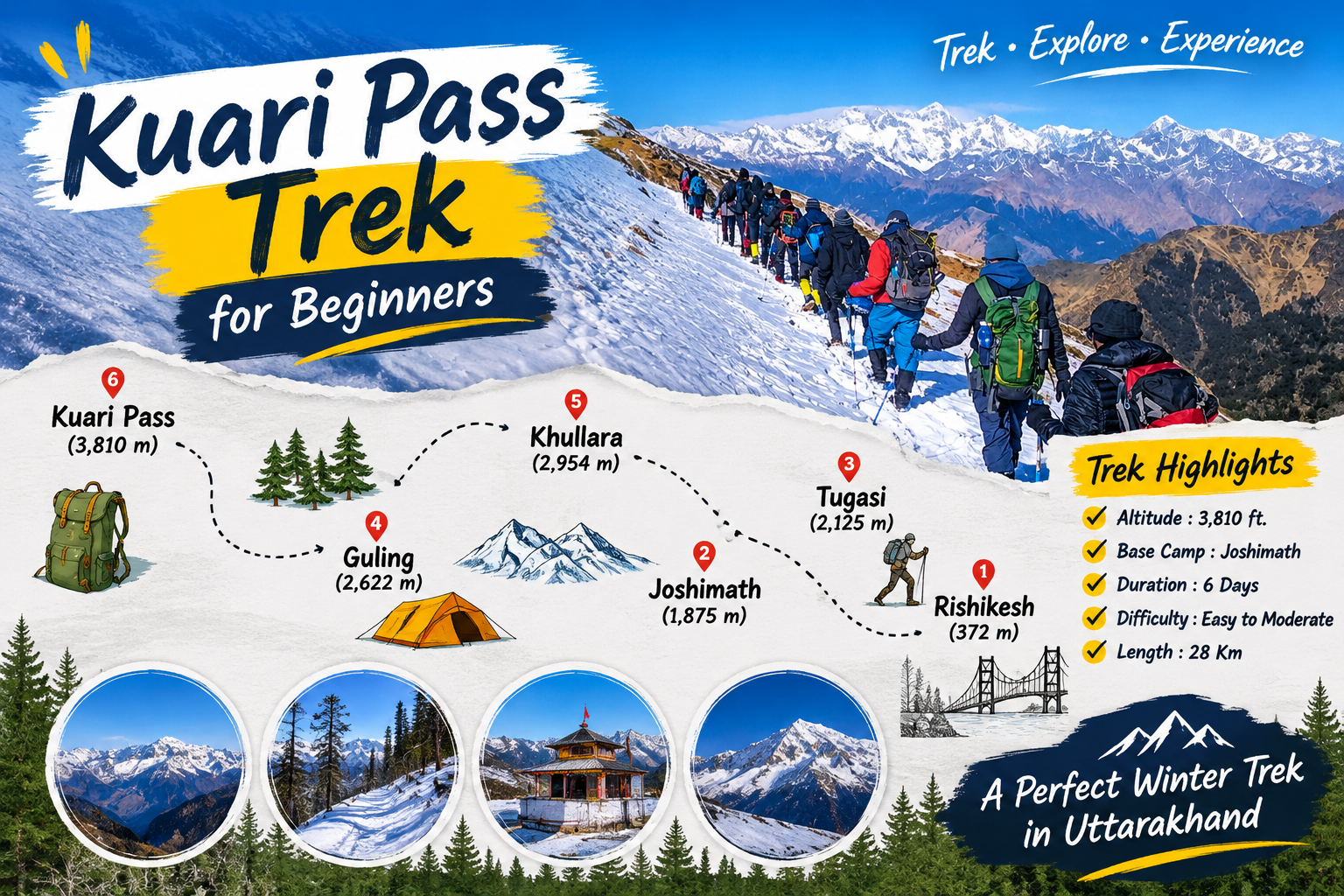
Rishikesh → Joshimath → Dhak/Karchi → Akhrotghetta → Khullara → Kuari Pass → Tali → Gorson Bugyal → Auli
The exact route can change depending on the operator, weather and snow conditions. Some itineraries approach through Tugasi and Gulling instead.
4. Kuari Pass Trek Itinerary for Beginners
Here is an example of a six-day itinerary using the classic Karchi route.
| Day | Route | Approximate Activity |
|---|---|---|
| Day 1 | Rishikesh to Dhak/Karchi | Mountain road journey |
| Day 2 | Karchi to Akhrotghetta | 2.75 km trek |
| Day 3 | Akhrotghetta to Khullara | 2.5 km trek |
| Day 4 | Khullara to Kuari Pass to Tali | Around 7.65 km |
| Day 5 | Tali to Auli | Around 8.1 km |
| Day 6 | Dhak/Karchi to Rishikesh | Return journey |
Day 1: Rishikesh to Dhak / Karchi
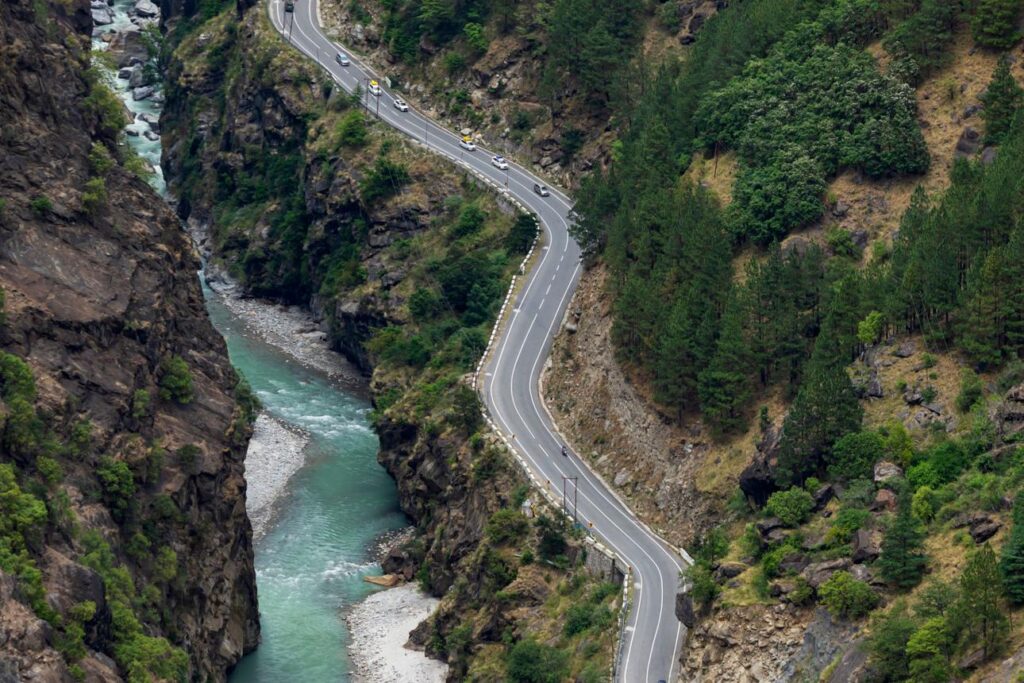
The journey starts from Rishikesh and continues towards the Chamoli region. During the drive, you can experience beautiful mountain roads, river valleys and traditional Uttarakhand villages.
The road journey is long, so arriving a day early in Rishikesh is a sensible choice.
Day 2: Karchi to Akhrotghetta
The actual trekking experience begins from Karchi village. The trail gradually enters the mountain forest, with uphill sections and beautiful views of the surrounding valleys.
Akhrotghetta is an important campsite where trekkers can rest before moving towards higher elevations.
Day 3: Akhrotghetta to Khullara
This section takes you towards higher mountain terrain. You will experience forest trails, changing landscapes and views of the Himalayan ranges.
During winter, snow may cover parts of the trail.
Day 4: Khullara to Kuari Pass to Tali
This is one of the most challenging and rewarding days.
Trekkers start early and move towards Kuari Pass. The route offers impressive views of the Greater Himalayan peaks, including Nanda Devi and Dronagiri.
After reaching the pass, the descent continues towards Tali.
Day 5: Tali to Auli
The trail passes through open meadows and forest sections towards Auli.
Gorson Bugyal is one of the major attractions along this section. During winter, its open landscape can become beautifully snow-covered.
Day 6: Return to Rishikesh
After completing the trek and returning to the roadhead, begin the journey back towards Rishikesh.
Keep additional travel time because mountain road conditions can change unexpectedly.
5. Kuari Pass Trek Weather and Temperature (2026–27)
Weather is one of the most important things to understand before planning the Kuari Pass Trek.
The region experiences significant seasonal changes. During winter, the higher campsites can become extremely cold, and snowfall can affect trekking conditions.
The best time to experience snow is generally late December to February, although actual snowfall varies every year.
Month-wise Kuari Pass temperature
The following are approximate planning ranges for higher trekking camps around Khullara and Tali, not guaranteed temperatures or live forecasts.
| Month | Day Temperature | Night Temperature | Weather Conditions |
|---|---|---|---|
| October | 9°C to 15°C | -2°C to 4°C | Clear skies, autumn views |
| November | 5°C to 12°C | -6°C to 0°C | Cold mornings, possible early snow |
| December | 2°C to 9°C | -6°C to -12°C | Winter conditions, snowfall possible |
| January | 0°C to 7°C | -8°C to -15°C | Very cold, snow-covered trails possible |
| February | 1°C to 8°C | -7°C to -13°C | Snowy landscapes and cold nights |
| March | 5°C to 12°C | -4°C to 2°C | Melting snow and pleasant sunshine |
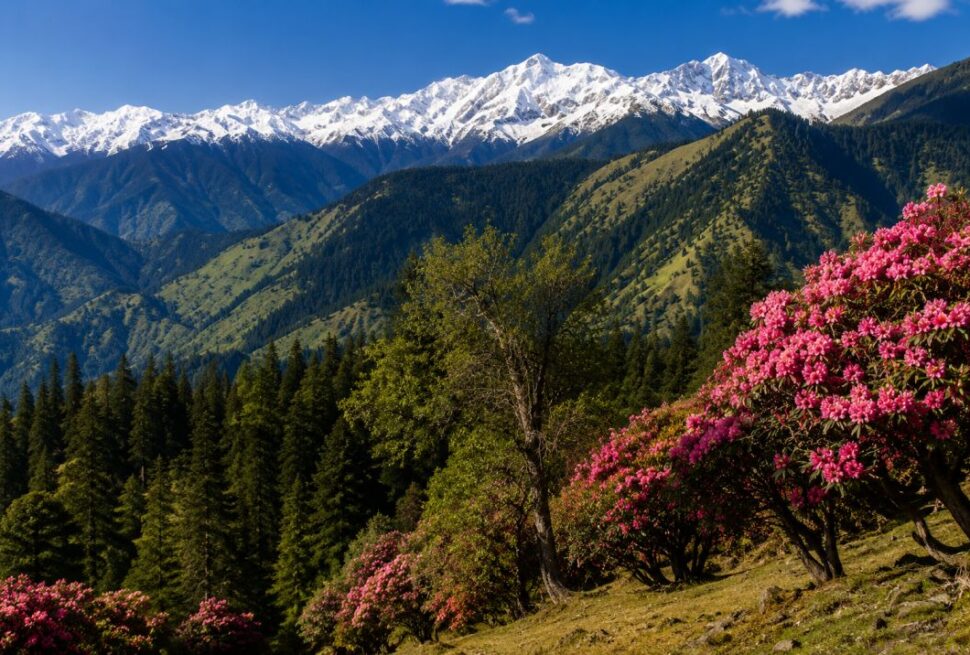
| April | 9°C to 15°C | -1°C to 5°C | Spring season and blooming flowers |
Kuari Pass Trek in December
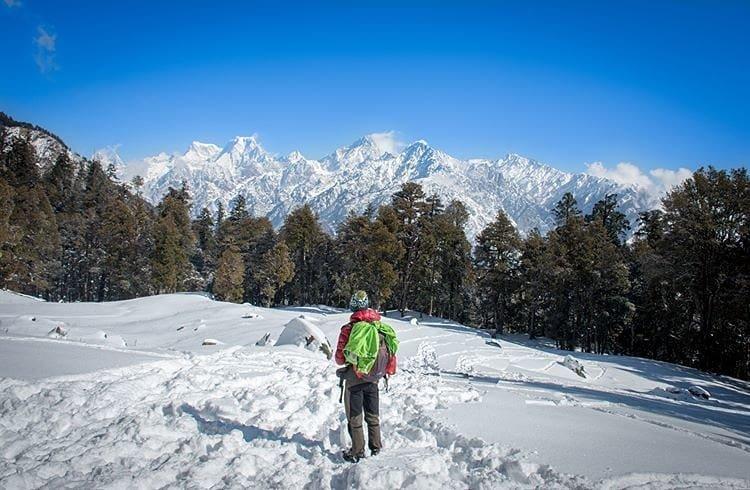
December marks the beginning of the winter trekking season.
Day temperature: approximately 2°C to 9°C.
Night temperature: approximately -6°C to -12°C.
Snowfall: Possible, particularly during the second half of the month.
Weather: Cold mornings, sunny periods and freezing nights.
December is suitable for trekkers who want winter scenery, but early December does not guarantee a completely snow-covered route.
Kuari Pass Trek in January
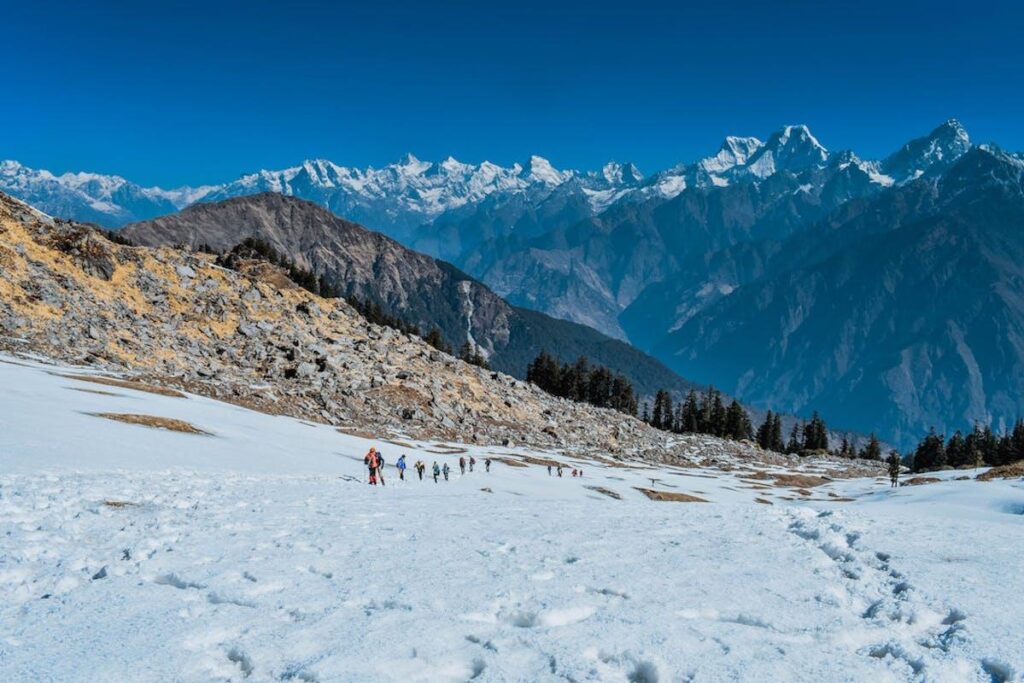
January is generally one of the coldest months on the Kuari Pass trail.
Day temperature: approximately 0°C to 7°C.
Night temperature: approximately -8°C to -15°C.
Snowfall: Fresh snowfall is possible.
Weather: Very cold mornings, freezing nights and potentially windy conditions.
January is an excellent choice for people interested in a proper winter trekking experience. However, deep snow can make walking slower and more difficult.
Kuari Pass Trek in February
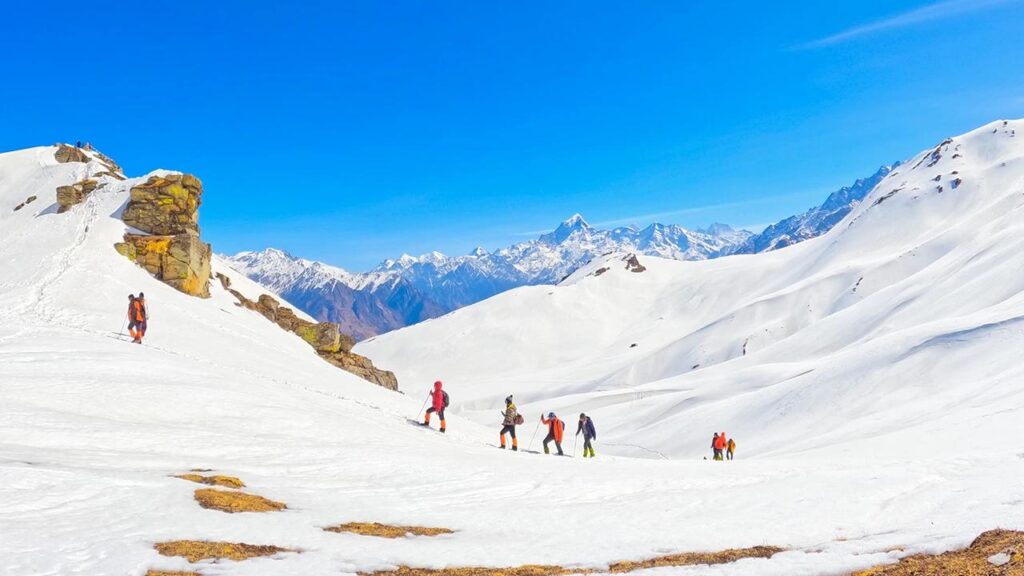
February continues to offer winter trekking conditions.
Day temperature: approximately 1°C to 8°C.
Night temperature: approximately -7°C to -13°C.
Snowfall: Possible during fresh western disturbance weather systems.
Weather: Cold nights, longer daylight and snow on higher sections.
For beginners, February can offer a beautiful combination of snowy mountain scenery and relatively longer daylight hours.
Kuari Pass Trek in March
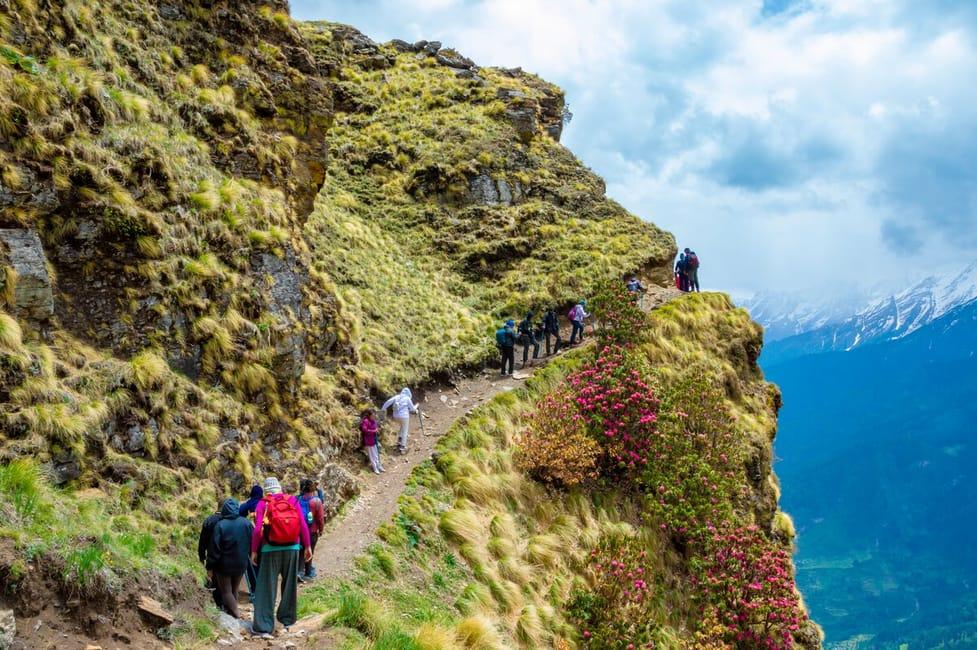
March is a transition between winter and spring.
Day temperature: approximately 5°C to 12°C.
Night temperature: approximately -4°C to 2°C.
Snowfall: Still possible at higher elevations.
Weather: Snow begins melting on lower trails.
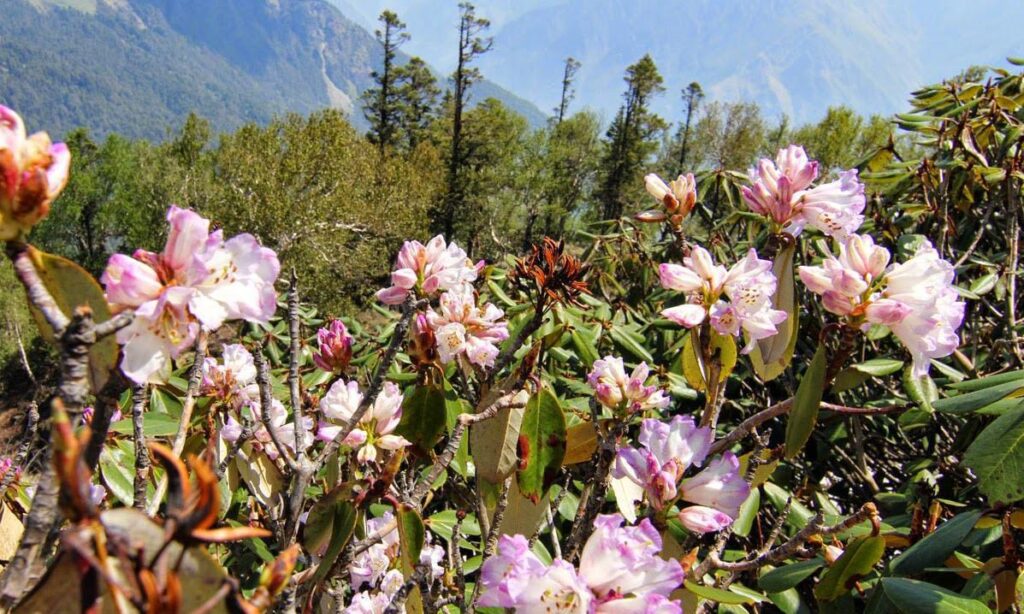
The forests may also start displaying beautiful rhododendron flowers, locally known as Burans.
6. When Is the Best Time for Kuari Pass Trek?
The best time depends on the type of landscape and trekking experience you want.
| Season | Experience | Best Suited For |
|---|---|---|
| October–November | Clear mountain views and autumn forests | Mountain photography |
| December | Beginning of winter and possible snowfall | Winter trekking beginners |
| January–February | Snow-covered trails and cold camps | Snow trekking enthusiasts |
| March–April | Spring landscapes and melting snow | Nature lovers |
| May–June | Green meadows and milder weather | Summer trekking |
July and August are generally less suitable because of monsoon rainfall, slippery trails and landslide risks on mountain roads.
7. How Difficult Is Kuari Pass Trek in Winter?
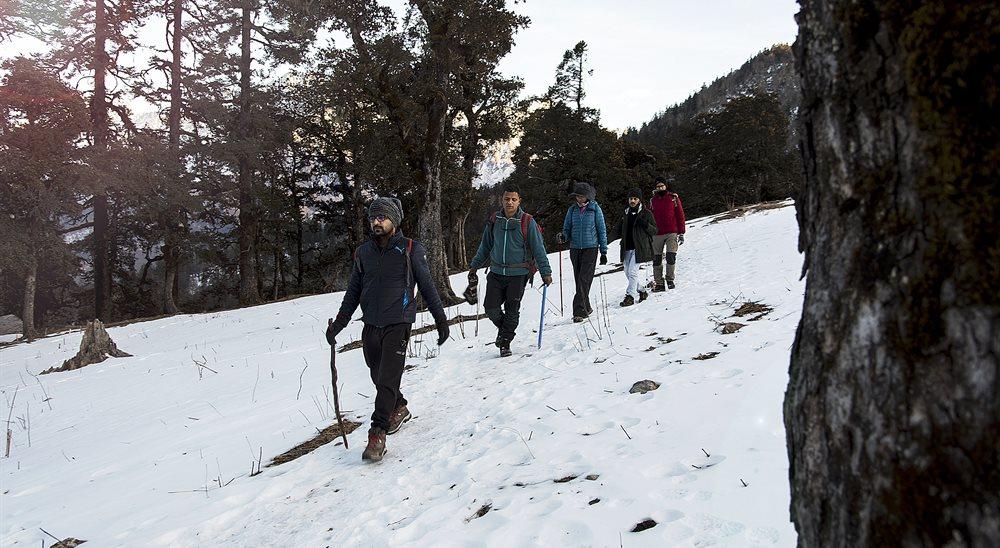
Kuari Pass is generally classified as a moderate trek. It is manageable for fit beginners, but winter conditions can increase the difficulty.
1. Steep uphill sections
The initial ascent from Karchi towards Akhrotghetta involves climbing through mountain trails. Beginners may experience tiredness, especially without prior walking practice.
2. Snow-covered paths
During January and February, snow can make certain sections slippery. Trekking poles, suitable footwear and microspikes may be necessary.
3. High altitude
The trek reaches approximately 3,815 metres. Some people may experience altitude-related symptoms, even if they are physically fit
4. Cold weather
Temperatures at higher camps can fall well below freezing. Proper winter clothing and a suitable sleeping bag are essential.
5. Long trekking days
The pass-crossing day can involve approximately 7–9 hours of walking, depending on snow conditions, route and pace.
8. Fitness Preparation for Beginners
You do not need to be a professional athlete to complete Kuari Pass. However, basic endurance and leg strength are important.
Start preparing around four to six weeks before the trek.

Recommended preparation:
Walk for 30–45 minutes regularly.
Practise climbing stairs.
Include squats and lunges in your exercise routine.
Practise walking on uneven surfaces.
Gradually increase your walking distance.
Use a backpack during some training walks.
Do not suddenly increase your exercise intensity just before departure.
9. Essential Packing List for Kuari Pass Winter Trek
Packing correctly is particularly important for a winter trek because cold weather, snow and changing mountain conditions can affect your comfort and safety.
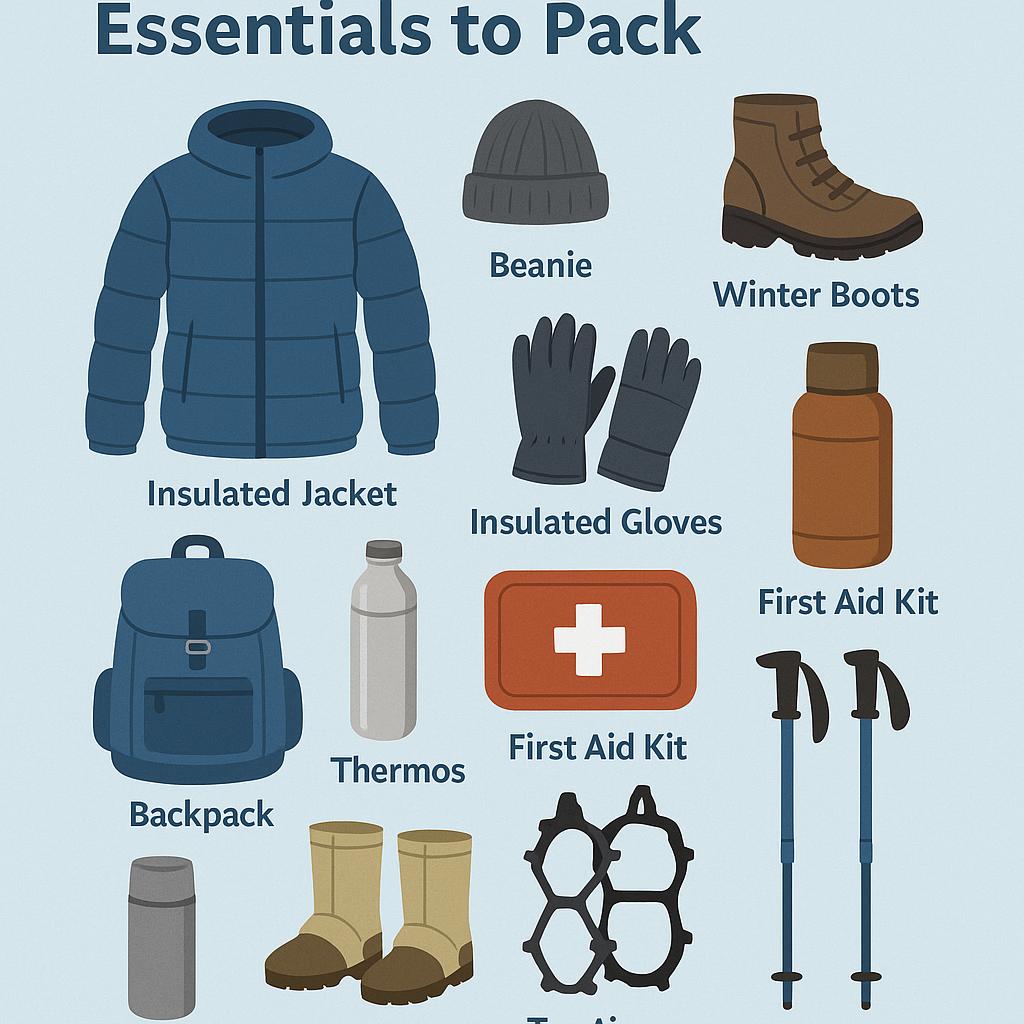
| Category | Essential Items |
|---|---|
| Clothing | Thermal innerwear, fleece, insulated jacket |
| Lower Wear | Trekking pants and warm layers |
| Footwear | Waterproof trekking shoes with good grip |
| Accessories | Woollen cap, neck warmer, gloves |
| Equipment | Trekking poles, headlamp, backpack |
| Winter Gear | Gaiters and microspikes when conditions require |
| Personal Care | Sunscreen, lip balm and sunglasses |
| Health | Personal medication and basic first-aid supplies |
| Hydration | Reusable water bottle |
10. How to Reach Kuari Pass Trek
The most common access route is through Rishikesh, Joshimath and Dhak/Karchi.
By air
The nearest major airport is Jolly Grant Airport in Dehradun. From there, you can travel towards Rishikesh and continue to Joshimath.
By train
Rishikesh and Haridwar are useful railway access points for travellers coming from Delhi and other Indian cities.
By road
You can reach Rishikesh by bus, taxi or private vehicle. From Rishikesh, continue towards Joshimath and then Dhak/Karchi.
The mountain journey can take approximately 9–10 hours from Rishikesh to the Dhak/Karchi area, depending on traffic and road conditions
11. Kuari Pass Trek Permits and Safety Guidelines
Before starting your trek, check the latest forest entry requirements and local permissions.
Depending on the route and forest area, permits and camping permissions may be required. Organised trekking companies commonly assist with the relevant paperwork.
Carry:
Government-issued photo identification.
Trekking registration and applicable permits.
Emergency contact information.
Details of your trekking operator.
Personal medical information relevant to emergencies.
Confirm current rules and fees with the local Forest Department or your trekking operator. Do not rely on old online permit prices.
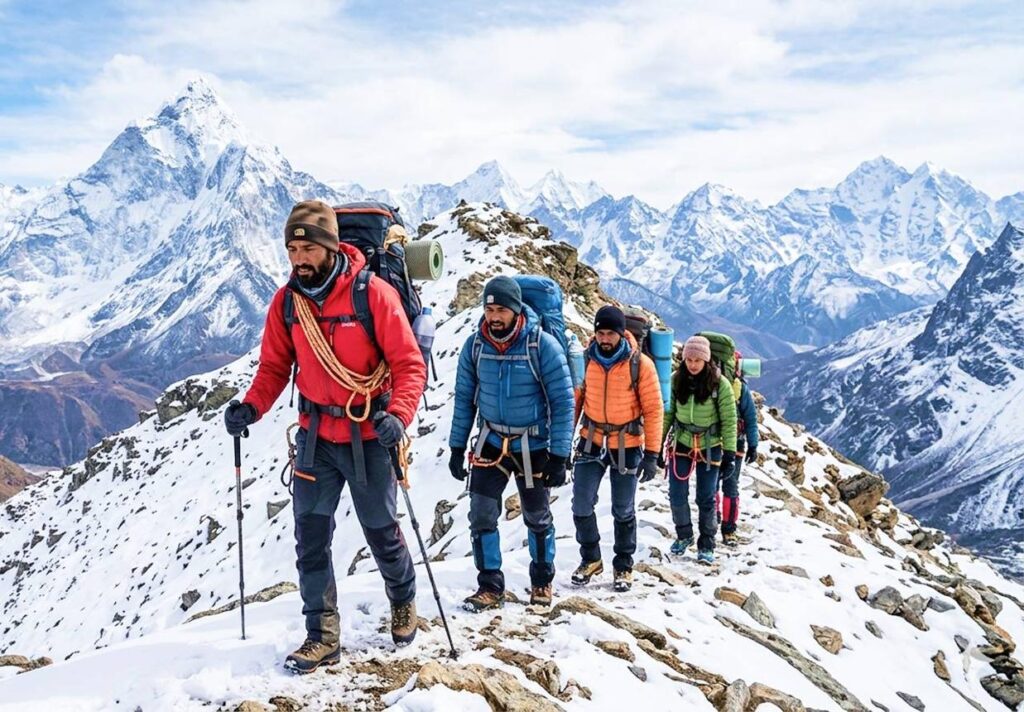
Important high-altitude safety advice
Follow these precautions:
Walk slowly and maintain a comfortable pace.
Drink fluids regularly.
Avoid alcohol during initial high-altitude exposure.
Do not continue ascending if you develop symptoms of altitude sickness.
Inform your trek leader immediately if you feel unwell.
Descend if altitude sickness symptoms worsen.
12. Why Is Kuari Pass Famous Among Himalayan Trekkers?
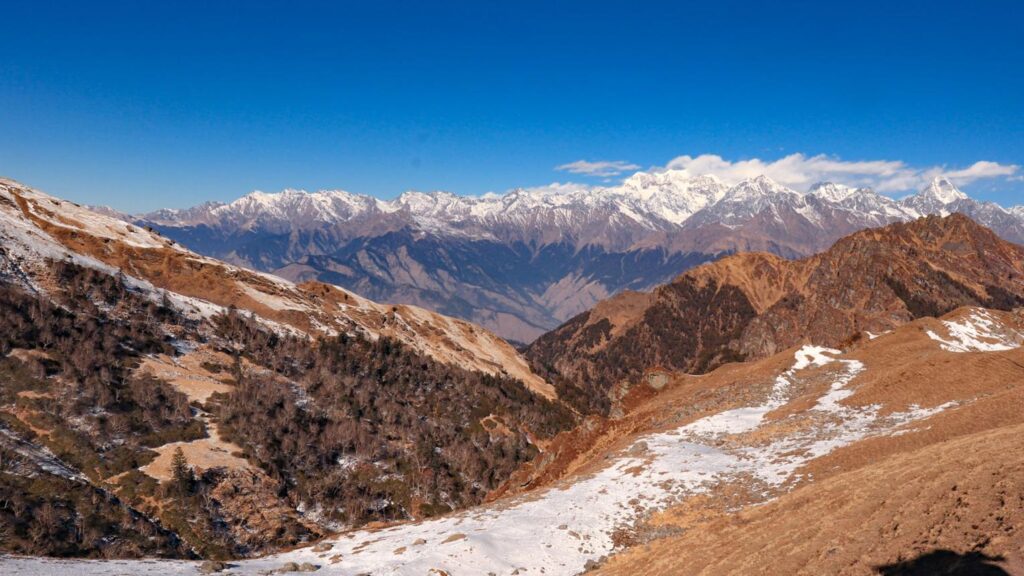
Kuari Pass is popular because it combines different Himalayan landscapes in one trekking journey.
Panoramic Himalayan views: The pass offers impressive views of Nanda Devi, Dronagiri, Kamet and other peaks.
Gorson Bugyal: This beautiful alpine meadow is a major attraction, especially when covered in winter snow.
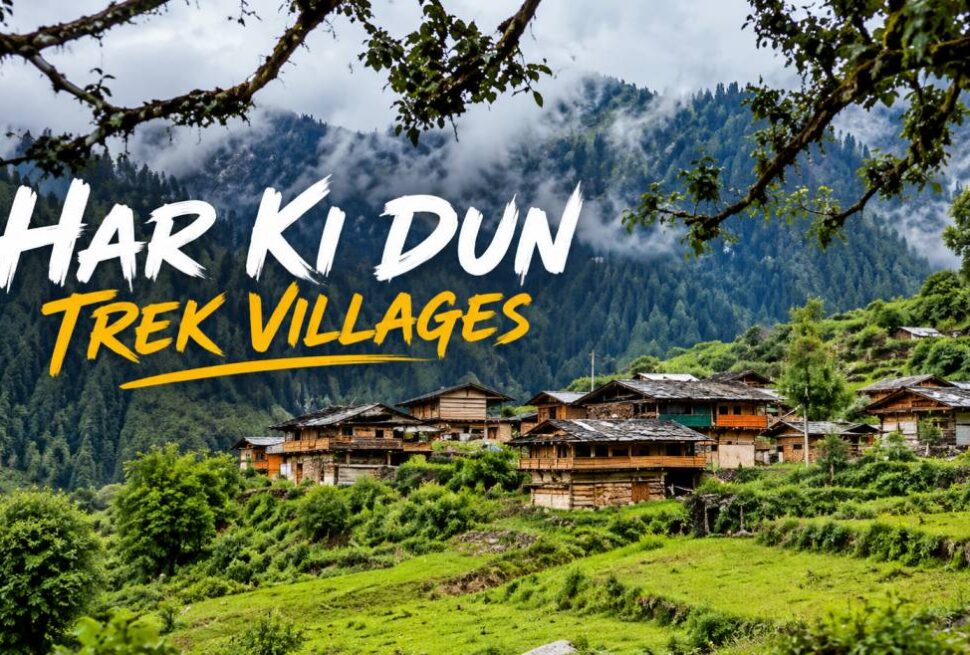
Traditional mountain villages: The route offers opportunities to see the rural landscapes and traditional life of the Garhwal region.
Winter adventure: Snow-covered forests and mountain meadows make this trek attractive to winter trekking enthusiasts.
Lord Curzon’s Trail: Kuari Pass is historically associated with Lord Curzon’s exploration of this Himalayan route.
13. Kuari Pass Trek vs Other Winter Treks in Uttarakhand
If you are planning your first Himalayan winter trek, comparing different routes can help you choose the right destination.
| Trek | Highest Altitude (Approx.) | Difficulty | Main Attraction |
|---|---|---|---|
| Kuari Pass | 3,815 m | Moderate | Grand Himalayan views |
| Kedarkantha | 3,810 m | Moderate | Snowy summit experience |
| Brahmatal | 3,730 m | Moderate | Alpine lake and mountain views |
| Dayara Bugyal | 3,408 m | Easy–Moderate | Beautiful alpine meadows |
| Nag Tibba | 3,022 m | Easy–Moderate | Short Himalayan adventure |
Conclusion:
The Kuari Pass Trek is a rewarding Himalayan adventure for beginners who want to experience mountain forests, beautiful alpine meadows, winter snowfall and spectacular Himalayan landscapes. Its combination of natural beauty, scenic campsites and panoramic mountain views makes it an excellent choice for people starting their trekking journey.
However, beginners should not underestimate its moderate difficulty, high altitude and changing winter weather. Proper physical preparation, suitable trekking equipment, acclimatisation and experienced guidance are essential for a safer experience.
Whether you choose December for the beginning of winter, January for colder snow conditions or March for the transition towards spring, plan your journey according to actual weather and trail conditions.