Kedarkantha Trek Difficulty Level for Beginners: A Complete 2026 Guide
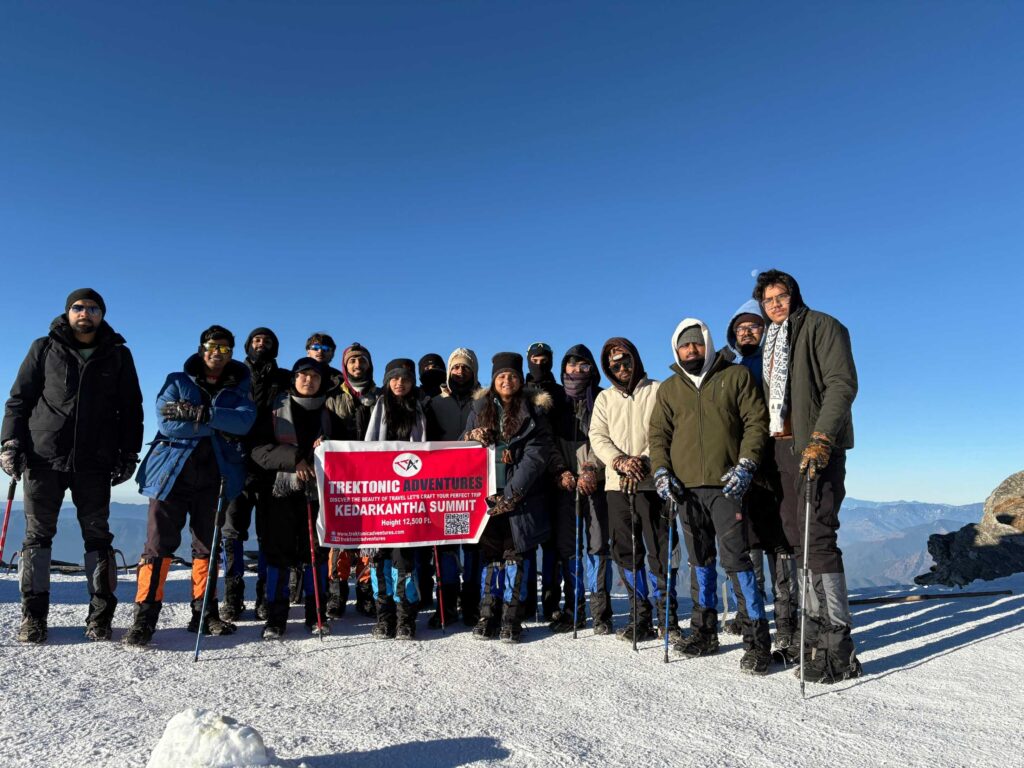
Quick Overview: Kedarkantha Trek at a Glance
| Detail | Information |
|---|---|
| Maximum Altitude | 12,500 ft (3,810 m) |
| Total Trek Distance | ~20 km (round trip) |
| Duration | 5 Days / 4 Nights |
| Difficulty Level | Easy to Moderate |
| Starting Point | Sankri Village (6,400 ft) |
| Best Time for Beginners | December – March (Winter) & September – November (Autumn) |
| Summit Success Rate | ~85-90% for physically prepared beginners |
Why Kedarkantha is Called the "Queen of Winter Treks" for Beginners
Unlike many high-altitude Himalayan expeditions that demand prior trekking experience, Kedarkantha strikes a rare balance between adventure and accessibility. Here’s why it consistently ranks as India’s top recommendation for first-time trekkers:
1. Gradual Altitude Gain
The trek follows a sensible acclimatization curve. You gain roughly 2,500–2,700 ft per day, which is well within safe limits for beginners. Your body gets time to adjust to the thinning air, reducing the risk of Acute Mountain Sickness (AMS).
2. Well-Defined, Non-Technical Trail
The trek follows a sensible acclimatization curve. You gain roughly 2,500–2,700 ft per day, which is well within safe limits for beginners. Your body gets time to adjust to the thinning air, reducing the risk of Acute Mountain Sickness (AMS).
3. Manageable Daily Distances
No single trekking day exceeds 4–5 km of walking. Even the summit day is just a 3 km one-way climb. For beginners, this means you never feel physically overwhelmed by distance.
4. Reward-to-Effort Ratio is Unmatched
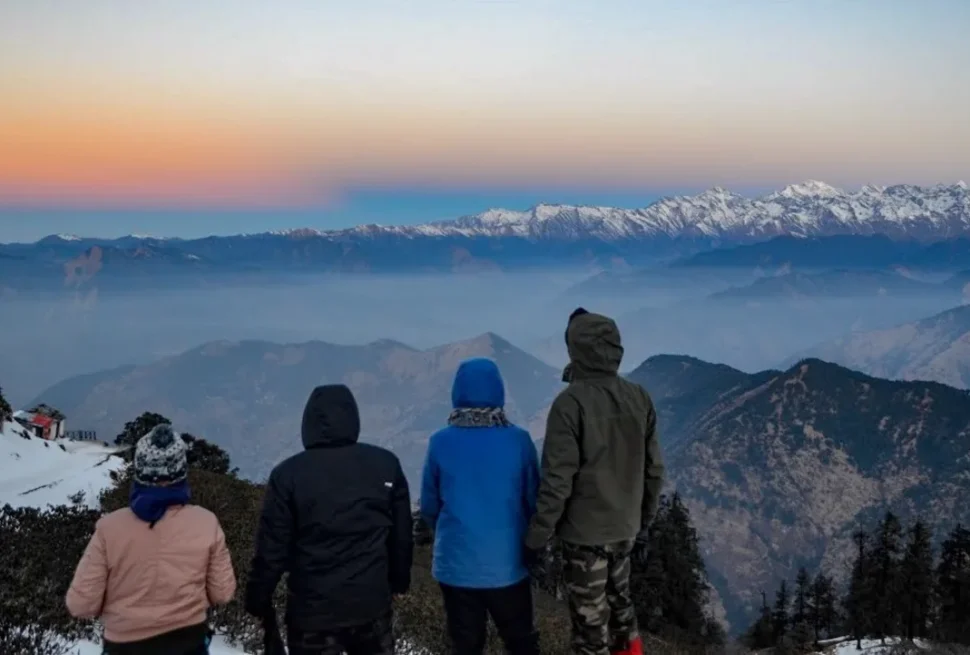
Very few beginner treks offer a true summit experience with 360° views of Swargarohini, Bandarpoonch, Black Peak (Kalanag), and the Gangotri-Yamunotri ranges. Kedarkantha delivers a genuine sense of achievement that motivates beginners to pursue bigger Himalayan dreams.
Planning your first Kedarkantha adventure? Explore our Kedarkantha Trek Package for a professionally guided, beginner-safe experience.
Day-by-Day Difficulty Breakdown for Beginners
Understanding what each day demands physically helps eliminate fear and build confidence. Here’s an honest assessment:
Day 1: Dehradun to Sankri (Drive) — Easy
- Activity: 220 km scenic drive via Mussoorie, Purola & Mori (8–10 hours)
- Difficulty: Minimal. The only challenge is road fatigue. Use this day to mentally prepare and hydrate.
- Beginner Tip: Carry motion-sickness tablets if you’re sensitive to mountain roads.
Day 2: Sankri to Juda Ka Talab (4 km Trek) — Easy
- Altitude Gain: 6,400 ft → 9,100 ft
- Duration: 3–4 hours
- Terrain: Gentle ascent through dense pine, oak, and maple forests
- Difficulty: This is the easiest trekking day. The trail is shaded, well-marked, and the altitude gain is gradual. Most beginners complete it comfortably.
- Beginner Tip: This is your “warm-up day.” Walk at a steady pace, test your gear, and enjoy the forest scenery.
Day 3: Juda Ka Talab to Kedarkantha Base Camp (4 km Trek) — Easy to Moderate
- Altitude Gain: 9,100 ft → 11,250 ft
- Duration: 3–4 hours
- Terrain: Mixed forest trails opening into snow meadows
- Difficulty: Slightly more demanding due to thinner air. In winter, snow accumulation begins here. You may feel mild breathlessness — this is normal.
- Beginner Tip: Take frequent short breaks. The “climb high, sleep low” principle helps your body acclimatize.
Day 4: Summit Day (Base Camp → Summit → Base Camp) — Moderate
- Altitude Gain: 11,250 ft → 12,500 ft → 11,250 ft
- Duration: 6–7 hours total
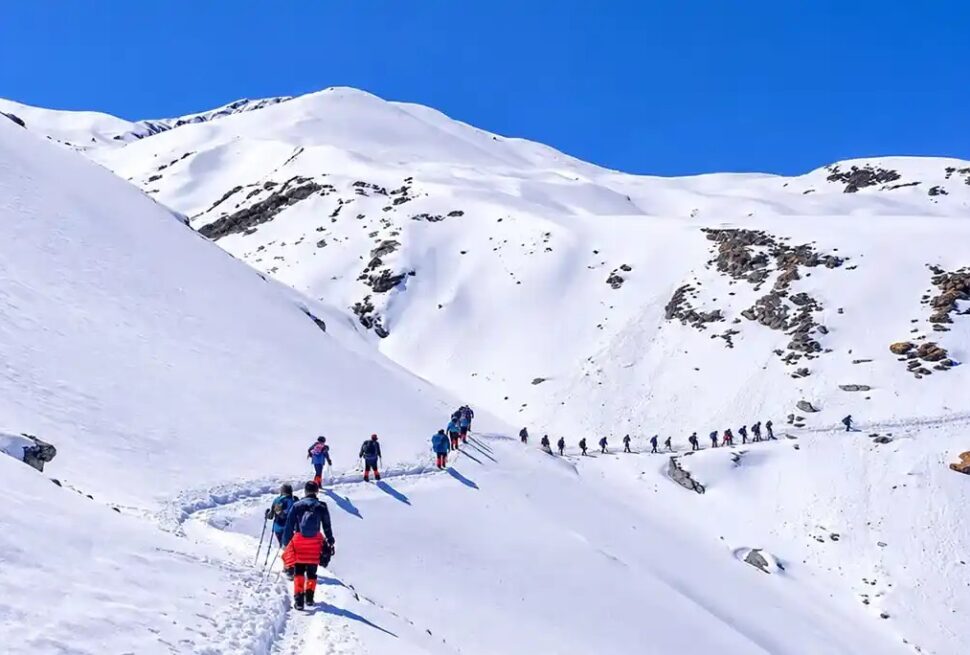
- Terrain: Steep snow slope, ridgeline walk, possible verglas (hard ice)
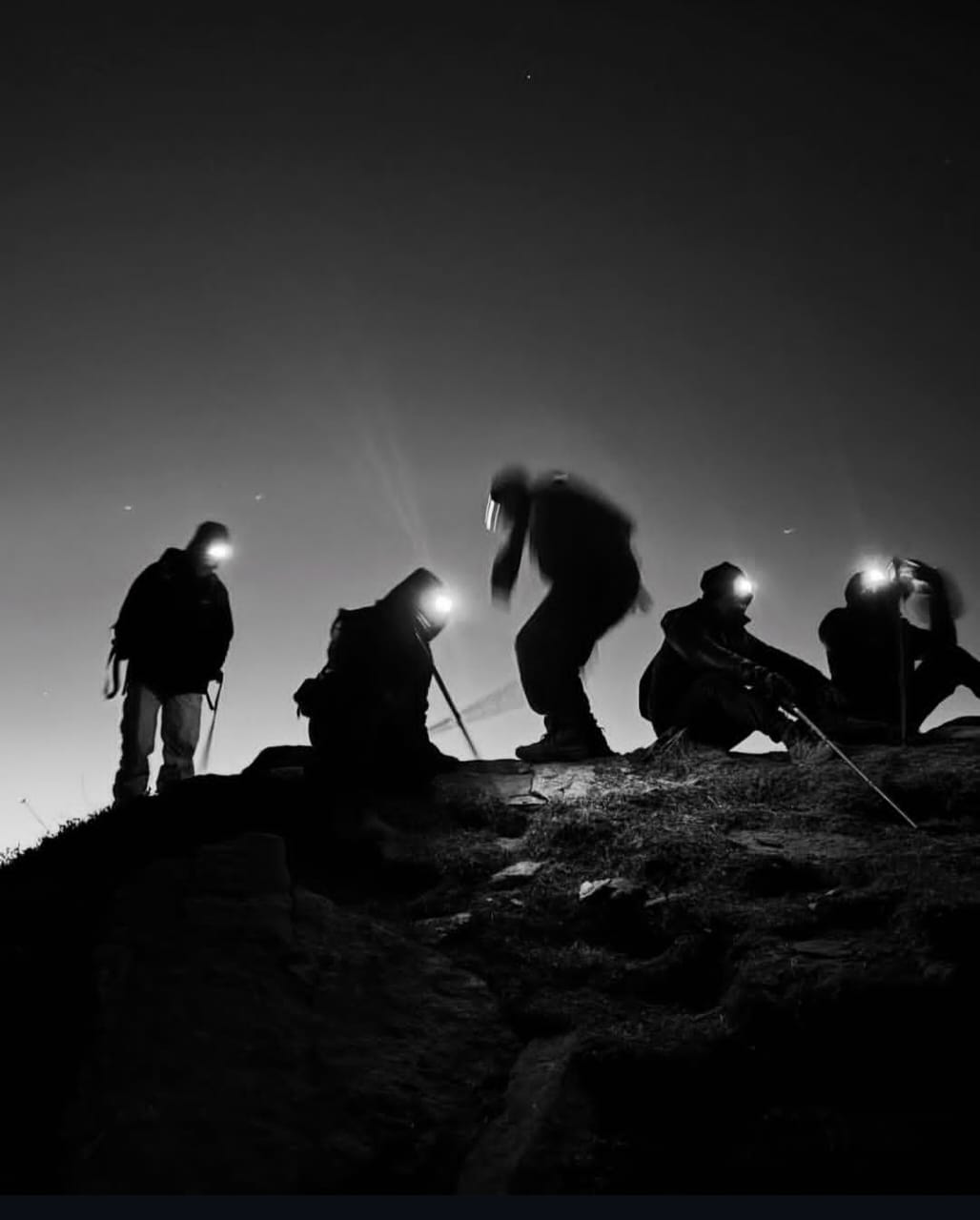
- Difficulty: This is the toughest day of the trek. The pre-dawn start (usually 2:00–3:00 AM), sub-zero temperatures, and steep final ascent test your endurance. In peak winter, the snow slope requires microspikes/crampons for grip.
- Beginner Tip: This is where preparation pays off. The summit push is mentally 50% and physically 50%. Trust your training, follow your trek leader, and move slowly.
Day 5: Base Camp to Sankri (8 km Trek + Drive) — Easy to Moderate
- Altitude Loss: 11,250 ft → 6,400 ft
- Duration: 4–5 hours trek + 8–10 hours drive
- Terrain: Descending trail via Hargaon
- Difficulty: Descending is easier on the lungs but harder on the knees. Trekking poles are highly recommended.
- Beginner Tip: Walk in a zig-zag pattern on steep sections to reduce knee strain.
What Makes Kedarkantha Challenging for Beginners? (The Honest Truth)
While Kedarkantha is beginner-friendly, there are four specific challenges that first-timers must respect:
1. The Summit Push Steepness
2. Sub-Zero Temperatures
3. Altitude-Related Breathlessness
- Faster breathing
- Mild headache
- Slight nausea
- Fatigue on the summit day
4. Winter Terrain (Verglas & Deep Snow)
Worried about winter conditions? Our Kedarkantha Winter Trek Package includes certified guides, microspikes, and safety gear — so you focus on the experience, not the logistics.
Fitness Requirements: Can a Beginner Really Do This?
Minimum Fitness Benchmarks for Beginners:
- Walk briskly for 45–60 minutes without stopping
- Climb 3–4 flights of stairs without gasping
- Jog or cycle for 20–30 minutes continuously
- Carry a 6–8 kg backpack for 2+ hours
Kedarkantha Difficulty: Winter vs. Other Seasons
| Season | Difficulty for Beginners | Why? |
|---|---|---|
| Winter (Dec–Mar) | Moderate | Heavy snow, sub-zero temps, verglas, stunning views. Most rewarding but physically demanding. |
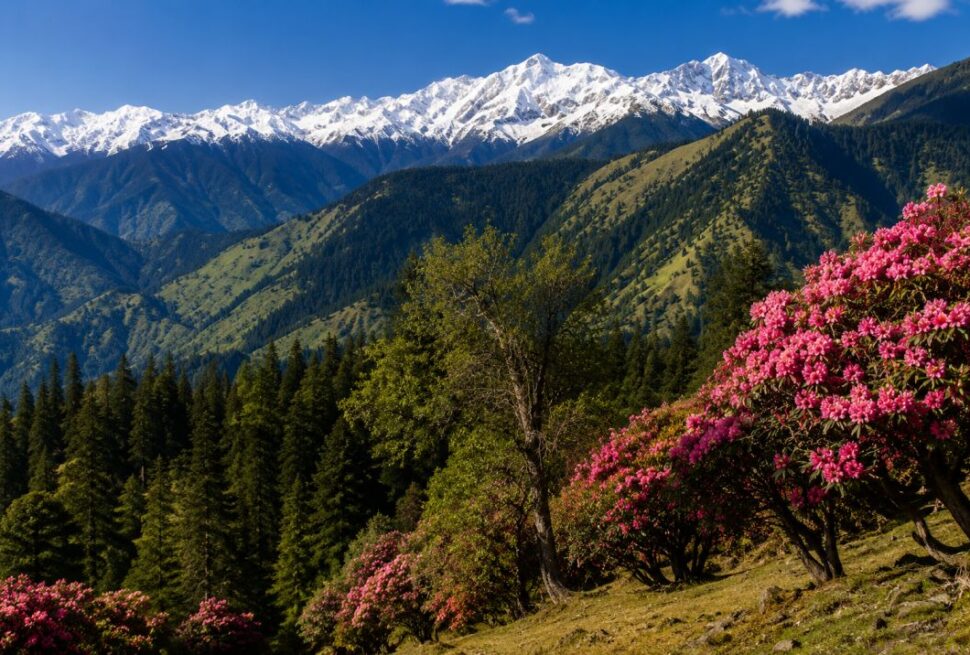
| Spring (Apr–Jun) | Easy | Pleasant weather, blooming rhododendrons, minimal snow. Great for first-timers nervous about cold. |
| Monsoon (Jul–Aug) | Moderate to Difficult | Slippery trails, leeches, landslide risk. Not recommended for beginners. |
| Autumn (Sep–Nov) | Easy | Clear skies, dry trails, comfortable temps. Excellent for beginners who want mountain views without snow. |
Essential Gear That Reduces Difficulty for Beginners
The right gear can reduce Kedarkantha’s perceived difficulty by 50%. Here’s what beginners must prioritize:
Footwear & Traction
- Waterproof, high-ankle trekking shoes with aggressive grip (mandatory)
- Microspikes or crampons for winter summit day (usually provided by operators)
- 3 pairs woolen socks + 2 pairs regular socks
Clothing (Layering is Key)
- Base layer: Thermal inners (upper + lower)
- Mid layer: Fleece jacket + fleece-lined trek pants
- Outer layer: Down/padded jacket + waterproof outer shell
- Extremities: Waterproof gloves, woolen cap, balaclava, neck gaiter
Trekking Aids
- Trekking poles: Essential for knee protection during descent
- Headlamp: For the pre-dawn summit push
- Sunglasses: UV protection against snow glare
- Day pack (20–30L): For summit day essentials
Health & Safety
- Water bottle/hydration pack: 2–3 liters capacity
- Personal first-aid kit: Blister pads, pain relievers, ORS
- Sunscreen (SPF 50+): Snow reflects 80% of UV rays
- Lip balm & moisturizer: Cold air causes severe chapping
Altitude Sickness (AMS): What Beginners Must Know
At 12,500 ft, AMS is a real possibility — but it’s preventable and manageable. Beginners should know these warning signs:
Mild AMS Symptoms (Common & Manageable):
- Waterproof, high-ankle trekking shoes with aggressive grip (mandatory)
- Microspikes or crampons for winter summit day (usually provided by operators)
- 3 pairs woolen socks + 2 pairs regular socks
Severe AMS Symptoms (Requires Immediate Descent):
- Base layer: Thermal inners (upper + lower)
- Mid layer: Fleece jacket + fleece-lined trek pants
- Outer layer: Down/padded jacket + waterproof outer shell
- Extremities: Waterproof gloves, woolen cap, balaclava, neck gaiter
Prevention Tips for Beginners:
- Trekking poles: Essential for knee protection during descent
- Headlamp: For the pre-dawn summit push
- Sunglasses: UV protection against snow glare
- Day pack (20–30L): For summit day essentials
10 Pro Tips for First-Time Kedarkantha Trekkers
- Break in your shoes 3 weeks before. Blisters on Day 2 can ruin your entire trek.
- Don’t wear thermals while walking. Your body heats up quickly. Save thermals for campsite rest.
- Start summit day with a full stomach. Eat breakfast even if it’s 2:00 AM — you’ll need the energy.
- Keep spare batteries warm. Cold drains battery life. Store power banks and camera batteries in your sleeping bag at night.
- Trek in a rhythm. Count your steps (e.g., 30 steps walk, 10 seconds rest). It helps mentally on steep sections.
- Carry energy snacks. Chocolate, nuts, and energy bars on summit day prevent energy crashes.
- Protect your extremities. Fingers, toes, and ears are the first to feel frostbite. Keep them covered.
- Use the “rest step” technique. Lock your knee briefly with each step to give your muscles micro-rests on steep ascents.
- Trust your guide. If they say turn back due to weather, listen. The mountain will always be there.
- Enjoy the journey. Don’t obsess over the summit. Juda Ka Talab, the forest trails, and the campsites are equally magical.
Final Verdict: Should Beginners Attempt Kedarkantha?
Ready to Conquer Your First Himalayan Summit?
✅ Medical tents and oxygen at all campsites
✅ Nutritious high-altitude meals
✅ All safety gear including microspikes and gaiters
✅ Sankri-to-Sankri transport with optional Dehradun pickups