Trip Info
-
Winter
-
12,500 fit
-
Home stay
Kedarkantha Trek Winter Trek Package Package 2026-27 | Complete Guide, Cost & Itinerary
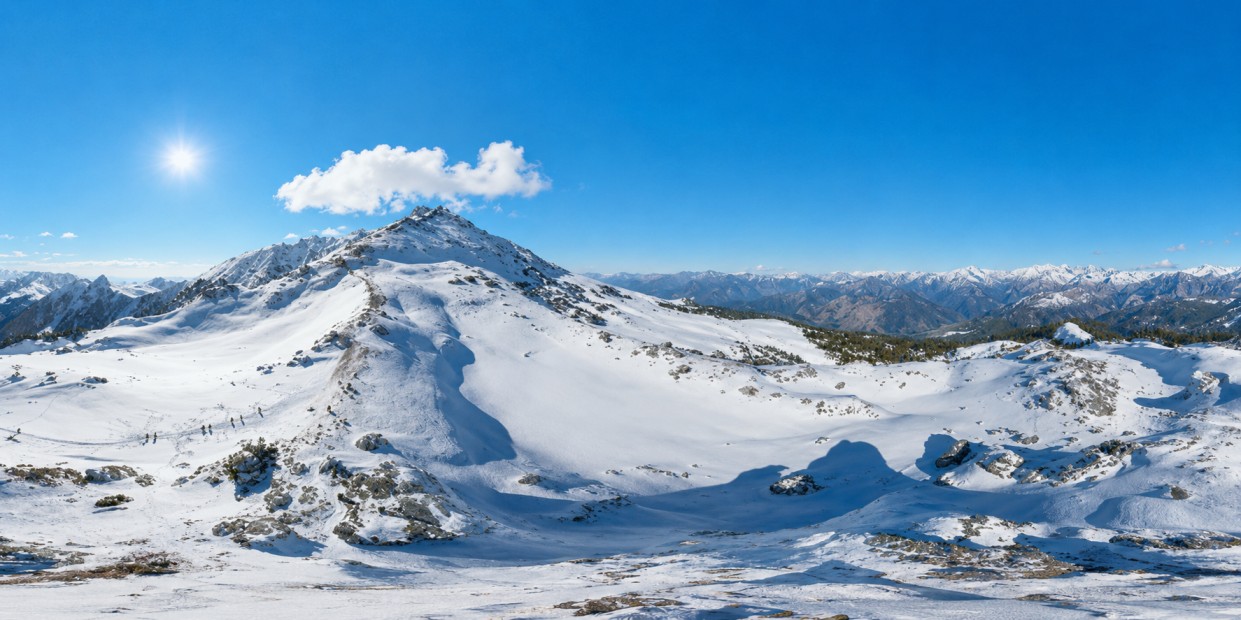
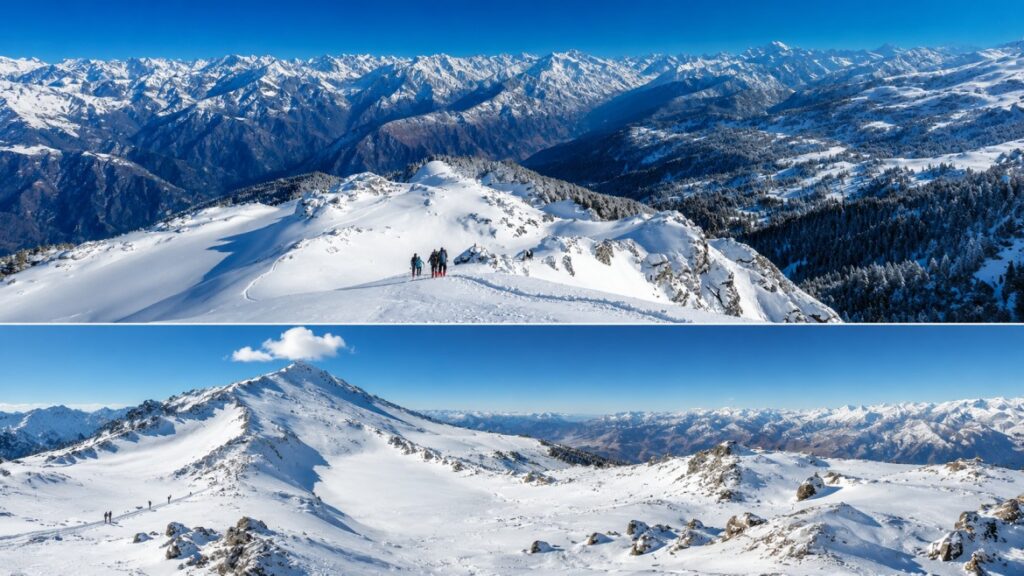
The Kedarkantha Winter Trek is one of the most sought-after trekking experiences in the Indian Himalayas and is widely known as the “Queen of Winter Treks.” Nestled within the pristine Govind Wildlife Sanctuary in the Uttarkashi district of Uttarakhand, this trek is famous for its snow-covered landscapes, enchanting forests, frozen lakes, and panoramic Himalayan views.
At an altitude of 12,500 ft (3,800 m), the Kedarkantha Summit offers an unforgettable adventure for trekkers of all experience levels. From beginners looking for their first Himalayan trek to seasoned trekkers seeking a magical winter experience, Kedarkantha has something special for everyone.
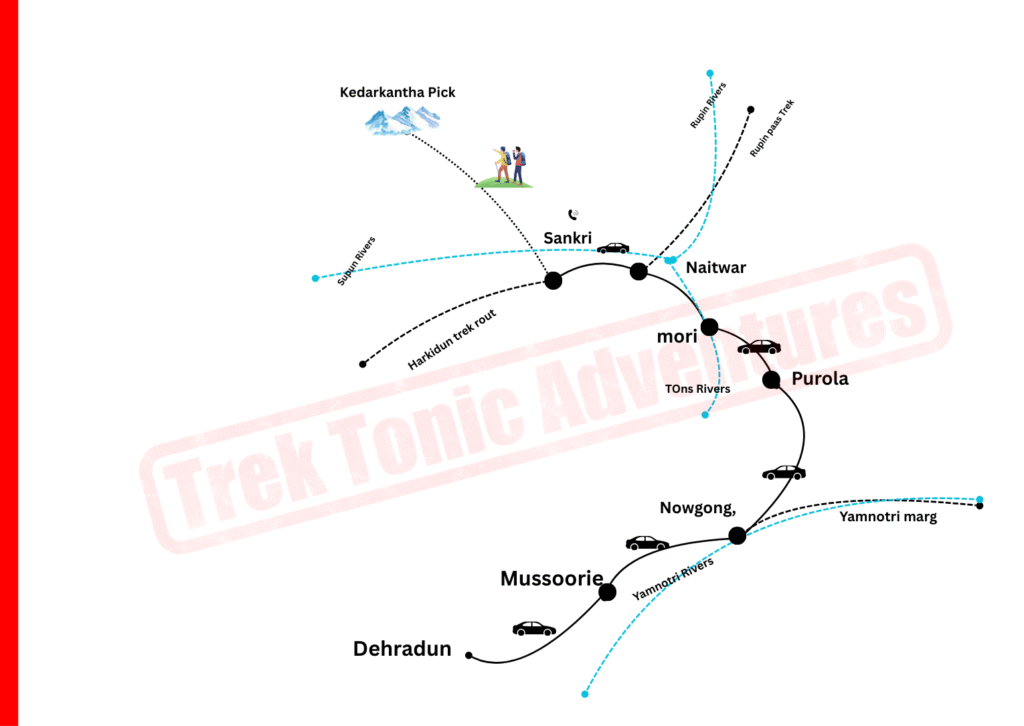
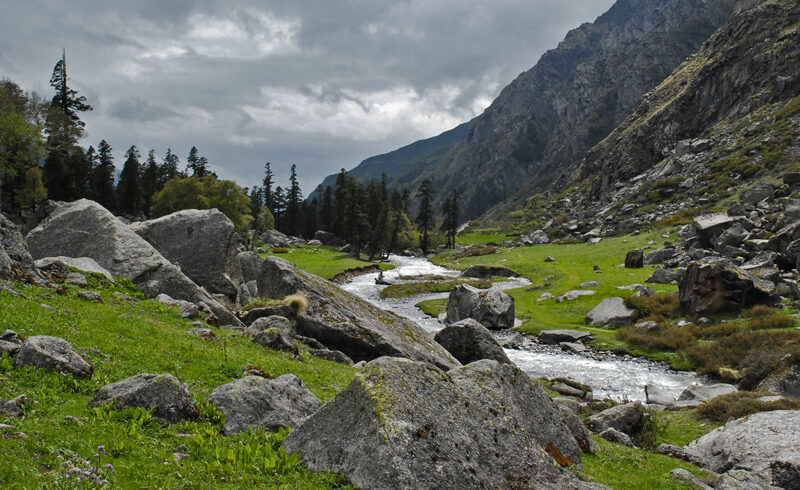
The journey begins from the picturesque village of Sankri, a charming Himalayan hamlet that serves as the base camp for the trek. As you ascend through dense forests of pine, oak, and maple, the trail gradually transforms into a winter wonderland covered in pristine snow. During the winter months, the landscape becomes even more breathtaking, with snow-laden trees and sparkling white meadows creating postcard-perfect scenery at every turn.
One of the major highlights of the trek is the beautiful Juda Ka Talab, a serene high-altitude lake surrounded by dense forests. During peak winter, the lake often freezes completely, creating a mesmerizing sight that attracts photographers and nature lovers alike. Camping near this frozen lake under a blanket of stars is an experience that many trekkers cherish for a lifetime.
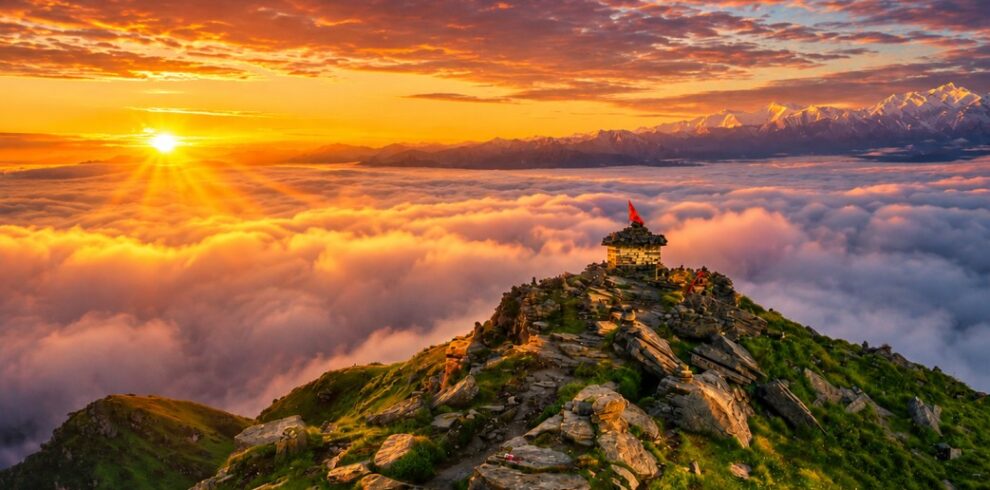
The final summit climb to Kedarkantha is both challenging and rewarding. Trekkers usually begin their ascent before sunrise to witness one of the most spectacular Himalayan dawns. As the first rays of sunlight illuminate the snow-covered peaks, the entire landscape glows in shades of gold and orange, creating a magical moment that leaves every trekker spellbound.
From the summit, trekkers are rewarded with breathtaking 360-degree panoramic views of some of the most iconic Himalayan ranges and peaks, including:
Swargarohini Range
Bandarpoonch Peak
Black Peak (Kala Nag)
Ranglana Peak
Gangotri and Yamunotri Ranges
Har Ki Dun Valley
The Kedarkantha Trek is renowned for its well-defined trails and moderate difficulty level, making it one of the best winter treks for beginners in India. Unlike many high-altitude Himalayan expeditions, Kedarkantha offers a perfect balance of adventure and accessibility, allowing trekkers to experience snow trekking without requiring advanced mountaineering skills.
Whether you wish to walk through enchanting forests, camp under star-filled skies, experience fresh snowfall, or witness unforgettable Himalayan sunrises, the Kedarkantha Winter Trek 2026-27 promises an adventure filled with natural beauty, excitement, and memories that last a lifetime.
Kedarkantha Trek Cost & Package Price 2026
| Package Type | Original Price | Offer Price 2026 |
|---|---|---|
| Sankri to Sankri (All Inclusive) | ₹5,999 | |
| Early Bird Booking | — | ₹2,000 advance only |
Quick Facts About Kedarkantha Winter Trek
| Trek Details | Information |
|---|
| Trek Name | Kedarkantha Winter Trek |
| Duration | 5 Days / 4 Nights |
| Difficulty | Easy to Moderate |
| Maximum Altitude | 12,500 ft (3,800 m) |
| Trek Distance | 20–23 KM |
| Base Village | Sankri |
| Region | Uttarkashi, Uttarakhand |
| Best Time | December to April |
| Suitable For | Beginners & Experienced Trekkers |
Batch Dates & Availability 2026
| Month | Available Dates | Status | Price |
|---|---|---|---|
| November 2025 | 15, 22, 29 | ✅ Open | ₹5,999 |
| December 2025 | 6, 13, 20, 25, 27, 29 | 🔥 Filling Fast | ₹6,499 |
| January 2026 | 3, 10, 17, 24, 31 | 🔥 Filling Fast | ₹6,499 |
| February 2026 | 7, 14, 21, 28 | ✅ Open | ₹5,999 |
| March 2026 | 7, 14, 21, 28 | ✅ Open | ₹5,499 |
| April 2026 | 4, 11, 18 | ✅ Open | ₹5,499 |
BEST TIME TO DO KEDARKANTHA TREK – MONTH BY MONTH
| Month | Snow Condition | Crowd Level | Temperature | Ideal For |
|---|---|---|---|---|
| Mid-Nov to Nov-End | ❄️ Fresh snowfall begins | Low | -2°C to 15°C | Photographers, solitude seekers |
| December | ❄️❄️ Thick snow cover | Very High | -5°C to 10°C | First-time snow trekkers, holiday groups |
| January | ❄️❄️❄️ Peak snow depth | High | -10°C to 8°C | Hardcore winter enthusiasts |
| February | ❄️❄️ Stable snow pack | Moderate | -8°C to 12°C | Best value — great snow, fewer crowds |
| March | ❄️ Melting begins | Low-Moderate | -2°C to 18°C | Spring transition lovers |
| April to Mid-April | ❄️ Patchy snow at top | Low | 2°C to 22°C | Those who missed winter window |
Kedarkantha Campsites
| Facility | Juda Ka Talab (9,100 ft) | Base Camp (11,250 ft) | Hargaon (8,900 ft) |
|---|---|---|---|
| Tent Type | 3-person alpine tents | 3-person alpine tents | 3-person alpine tents |
| Sleeping Gear | -10°C rated bag + mat + liner | -15°C rated bag + mat + liner | -10°C rated bag + mat + liner |
| Toilet Facility | Dry toilet tents | Dry toilet tents | Dry toilet tents |
| Medical Support | First aid kit | Full medical tent + oxygen | First aid kit |
| Water Source | Stream (purified) | Melted snow (boiled) | Stream (purified) |
| Network | No signal | No signal | No signal |
KEDARKANTHA TREK SAFETY – ZERO-COMPROMISE APPROACH
The Himalayas are unpredictable. At our company, safety isn’t a checkbox – it’s the foundation of every decision we make.
Our 6 Safety Pillars:
- 🏥 Medical Tents at Every Camp — We are the only operator that pitches dedicated medical tents at ALL campsites. Equipped with stretchers, oxygen cylinders, oximeters, and comprehensive first aid kits.
- 👨🏫 IMF-Certified Trek Leaders — Every trek leader is certified by the Nehru Institute of Mountaineering (NIM) with advanced wilderness first aid training and 500+ days of high-altitude experience.
- 📡 Emergency Communication — Satellite phones and walkie-talkies at every camp ensure we’re never cut off. Direct coordination with local rescue teams and district administration.
- 📋 Health Monitoring — Twice-daily SpO₂ and BP checks. Trek leaders are trained to identify early symptoms of AMS, HAPE, and HACE. Immediate descent protocol if vitals drop.
- 🍲 Nutrition-First Food — High-calorie, balanced vegetarian meals designed for high-altitude energy needs. Special dietary requirements (diabetic and gluten-free) are accommodated with advance notice.
- 🚁 Evacuation Ready — Pre-registered evacuation plans with local hospitals in Purola and Mori. Helicopter evacuation coordination available for critical emergencies (cost borne by trekker).
Detailed Safety Protocols:
- Pre-Trek Medical Screening: Every trekker submits a health declaration. Group briefing covers altitude sickness symptoms, hydration protocols, and emergency signals.
- Acclimatisation Schedule: Our 5-day itinerary is deliberately paced. The “climb high, sleep low” principle is built into Day 3 and Day 4.
- Weather Monitoring: We track weather patterns 72 hours in advance. If a snowstorm or extreme cold front is predicted, we adjust summit timing or route accordingly.
- Group Management: Maximum 1:8 guide-to-trekker ratio. No trekker is ever left alone on the trail. Sweep guides ensure the last person is never behind.
- Equipment Checks: Before the summit push, every trekker’s gear is inspected. Inadequate clothing or footwear = no summit attempt. Period.
Why Choose Kedarkantha Trek in 2026-27?
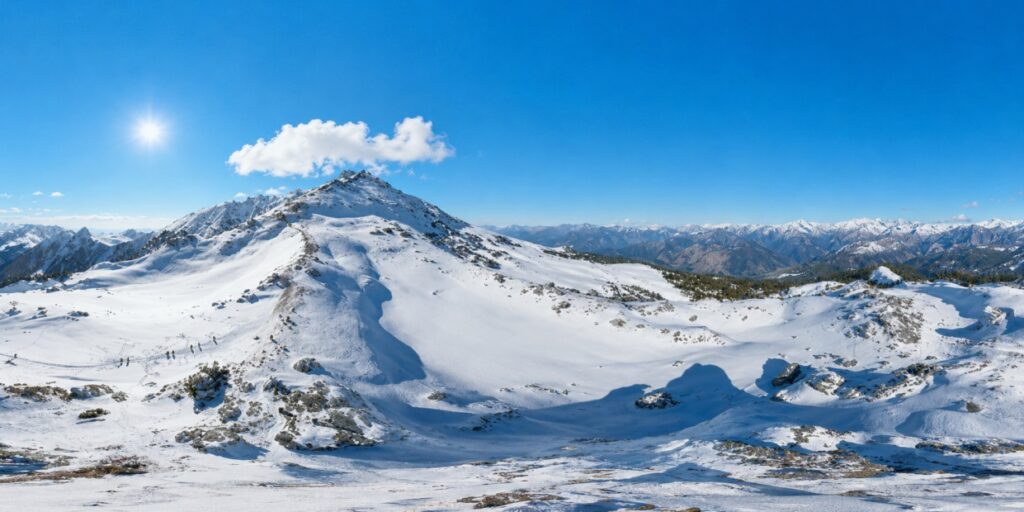
The Kedarkantha Trek 2026-27 is more than just a winter trek—it’s an opportunity to experience the raw beauty of the Himalayas during their most magical season. With snow-covered trails, scenic campsites, and an easy-to-moderate difficulty level, Kedarkantha has earned its reputation as one of India’s finest winter adventures.
What makes this trek truly special is its perfect balance of adventure and accessibility. Unlike many high-altitude Himalayan expeditions, Kedarkantha offers an authentic snow trekking experience without requiring technical climbing skills, making it ideal for trekkers of all experience levels.
❄ A True Himalayan Winter Experience
Imagine walking through forests blanketed in fresh snow, camping in alpine meadows, and waking up to breathtaking mountain views. Kedarkantha delivers the classic Himalayan winter experience that every trekker dreams of.
During peak winter months, the landscape transforms into a snowy paradise, making every trail look straight out of a postcard.
🌄 One of the Most Rewarding Summit Climbs
The summit day is undoubtedly the highlight of the trek. As you ascend towards Kedarkantha Top, the scenery changes dramatically, offering uninterrupted views of towering Himalayan peaks.
Reaching the summit at sunrise is a magical moment as the first rays of sunlight illuminate the surrounding mountains, creating an unforgettable spectacle.
🏕 Spectacular Campsites Amidst Nature
From the serene shores of Juda Ka Talab to the breathtaking Kedarkantha Base Camp, every campsite on this trek offers a unique experience.
Camping amidst snow-covered meadows under a sky full of stars adds an extra layer of adventure to the journey.
🌲 Diverse Landscapes in a Single Trek
One of Kedarkantha’s biggest attractions is the variety of landscapes it offers in just a few days:
- Dense pine and oak forests
- Frozen lakes and streams
- Snow-covered clearings
- Alpine meadows
- Open ridgelines with mountain views
Few treks in India offer such diverse scenery within a relatively short distance.
📷 A Paradise for Nature Lovers
Whether you’re an avid photographer or simply someone who appreciates nature, Kedarkantha provides endless moments worth capturing.
From golden sunrises and snowy forests to star-lit campsites and dramatic mountain panoramas, every corner of the trek is picture-perfect.
🚶 Accessible Yet Adventurous
The trek strikes the perfect balance between challenge and comfort. It is adventurous enough to excite experienced trekkers while remaining accessible for beginners with basic fitness levels.
This makes Kedarkantha one of the most recommended winter treks for those looking to step into the world of Himalayan trekking.
Which is the Best Season for Kedarkantha WinterTrek?
If you want to experience snow trekking, December to March is the best time for the Kedarkantha Trek.
For pleasant weather, clear mountain views, and colorful landscapes, April to June and September to November are considered ideal months.
Temperature During Kedarkantha Winter Trek
The weather on the Kedarkantha Trek changes significantly with altitude. As trekkers ascend from the base village of Sankri to the summit, temperatures gradually decrease and the weather becomes colder, especially during early mornings and nights.
Understanding the temperature conditions beforehand helps trekkers pack appropriately and prepare for the Himalayan environment.
Season
| Season | Day Temperature | Night Temperature |
|---|
| December–February | 0°C to 8°C | -10°C to -5°C |
| March–April | 5°C to 15°C | -2°C to 5°C |
Temperature at Different Campsites
📍 Sankri Village (6,400 ft)
Sankri experiences relatively pleasant weather compared to higher campsites. During winter, evenings become chilly, while daytime remains comfortable for sightseeing and acclimatization.
📍 Juda Ka Talab (9,100 ft)
As the altitude increases, temperatures start dropping noticeably. Nights at Juda Ka Talab are much colder, and snowfall is common during the winter months.
📍 Kedarkantha Base Camp (11,200 ft)
The base camp is one of the coldest camping locations on the trek. Strong mountain winds and sub-zero temperatures during winter require proper layering and insulated clothing.
📍 Kedarkantha Summit (12,500 ft)
The summit is the coldest point of the trek. Summit pushes usually begin before sunrise when temperatures are at their lowest. Wind chill can make the weather feel significantly colder than the actual temperature.
Wind Chill Factor in the Himalayas
Apart from the actual temperature, trekkers should also consider the wind chill effect. At higher altitudes, strong winds can make temperatures feel 5–10°C colder than what the thermometer shows.
For example, a temperature of -5°C with strong winds may feel like -10°C or lower.
Peak Winter Conditions
During heavy snowfall periods in January and early February, temperatures can occasionally fall to -10°C to -15°C at night, especially at higher campsites.
Such weather conditions create a true Himalayan winter experience but also require proper trekking gear and preparation.
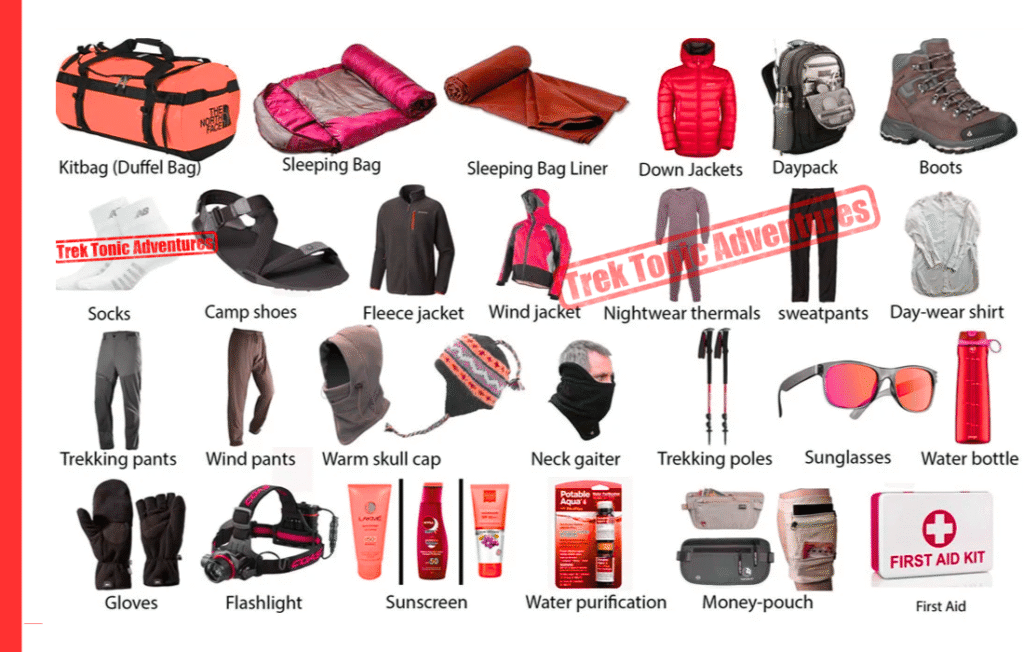
Essential Clothing for Cold Weather
To stay warm and comfortable during the trek, trekkers should carry:
Thermal inner layers
Down or padded jacket
Fleece jacket
Waterproof gloves
Woollen cap and neck warmer
Warm trekking socks
Waterproof trekking shoes
Layering clothes is the best way to regulate body temperature during changing mountain conditions.
With proper preparation and suitable clothing, trekkers can comfortably enjoy the magical winter landscapes of the Kedarkantha Trek 2026-27.
Kedarkantha Winter Trek Highlights
- The Kedarkantha Winter Trek is famous for its pristine snow-covered trails that transform the entire region into a winter wonderland. From dense forests to open meadows, every section of the trek is blanketed in snow during the winter months, offering one of the most picturesque trekking experiences in India.
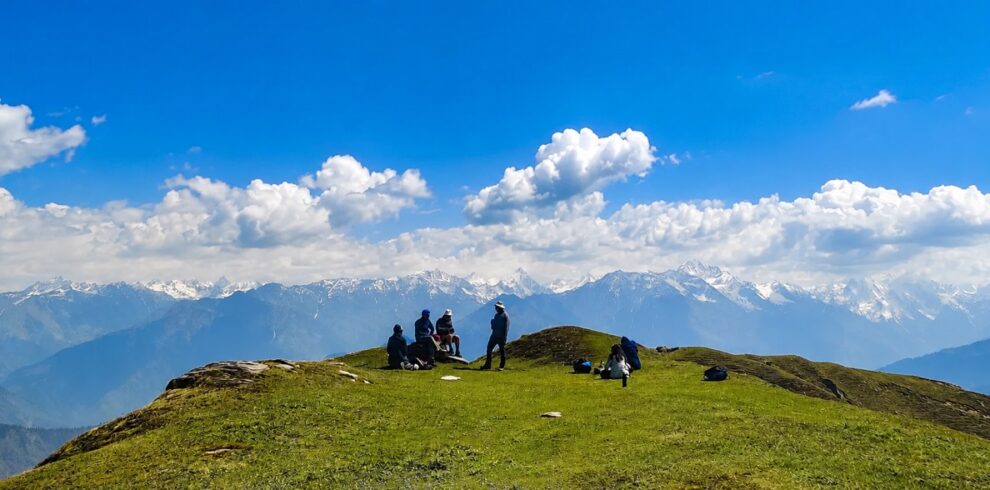
- Standing tall at an altitude of 12,500 ft (3,800 m), the Kedarkantha Summit offers breathtaking 360-degree views of the Garhwal Himalayas. Trekkers can witness majestic peaks like Swargarohini, Bandarpoonch, Black Peak, and Ranglana from the summit, making it one of the most rewarding winter treks in Uttarakhand.
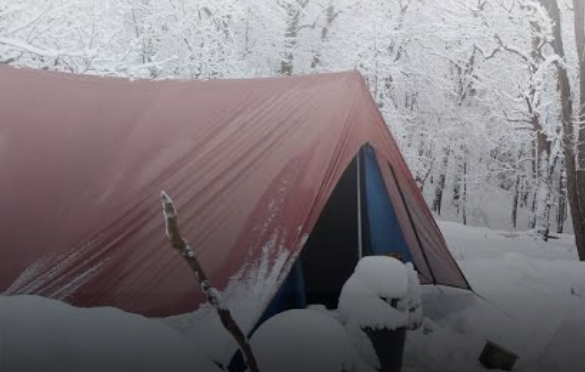
- One of the most memorable experiences on the Kedarkantha Trek is camping amidst snow-covered landscapes. Campsites such as Juda Ka Talab and Kedarkantha Base Camp provide stunning views of the surrounding mountains and offer incredible opportunities for stargazing under crystal-clear night skies.
- The trail passes through dense forests of pine, oak, and maple trees that become even more magical during winter. Snow-laden branches, peaceful surroundings, and scenic pathways create an unforgettable trekking experience for nature lovers and photographers alike.
- The Kedarkantha Trek is widely regarded as one of the best beginner-friendly winter treks in India. Its well-defined trails, moderate difficulty level, and spectacular Himalayan scenery make it ideal for first-time trekkers as well as experienced adventurers seeking a snowy escape in the Himalayas. Whether you're chasing fresh snowfall, breathtaking mountain views, or an unforgettable Himalayan adventure, the Kedarkantha Winter Trek 2026-27 promises memories that will last a lifetime.