
Kashmir Great Lakes Trek
The Kashmir Great Lakes region feels less like a trek and more like stepping into a painting that
keeps changing every single day. The kashmir great lakes trek takes you deep into the heart of
Kashmir’s alpine wilderness, where snow-fed lakes, endless meadows, and jagged mountain ridges
come together in a way that almost feels unreal.
This is one of those treks where the beauty doesn’t build slowly — it hits you right from the start.
From the very first day, the kashmir great lakes trek surrounds you with wide green valleys,
grazing horses, and peaks that seem to rise straight out of the grasslands. And just when you think
you’ve seen the best of it, another lake appears.
At around 13,750 feet at its highest point, this Himalayan trek sits comfortably in the moderate
category. It’s challenging enough to feel like a real adventure, but accessible enough for fit
beginners and immensely rewarding for experienced trekkers. What makes it special isn’t technical
difficulty — it’s the sheer consistency of beauty.
When to go and what to expect
Altitude-wise: The highest point on the Kashmir Great Lakes Trek reaches approximately 13,750 ft,
with gradual ascents that allow decent acclimatization.
Timing depends on what kind of scenery you want:
July to August is peak season, when the meadows are lush green and the lakes are full and vibrant.
September brings golden grasslands, fewer crowds, and crisp mountain air.
This window is widely considered the best time for Kashmir Great Lakes trek.
Duration: Most itineraries run for 6–7 days, making it a well-paced and immersive
Kashmir Great Lakes trek itinerary.
Trek distance: Roughly 70–75 km, spread across scenic daily walks.
What you’re actually going to see out there
The highlight of Kashmir Great Lakes trekking is, unsurprisingly, the lakes — but each one feels
completely different. Vishansar, Krishansar, Gadsar, Satsar, and Gangbal all have their own character,
color, and setting.
Some lakes sit quietly in open meadows, reflecting clouds like mirrors. Others are cradled by rocky
walls, with snow lingering along their edges even in summer. Walking from one lake to another
never feels repetitive — the terrain keeps shifting just enough to stay exciting.
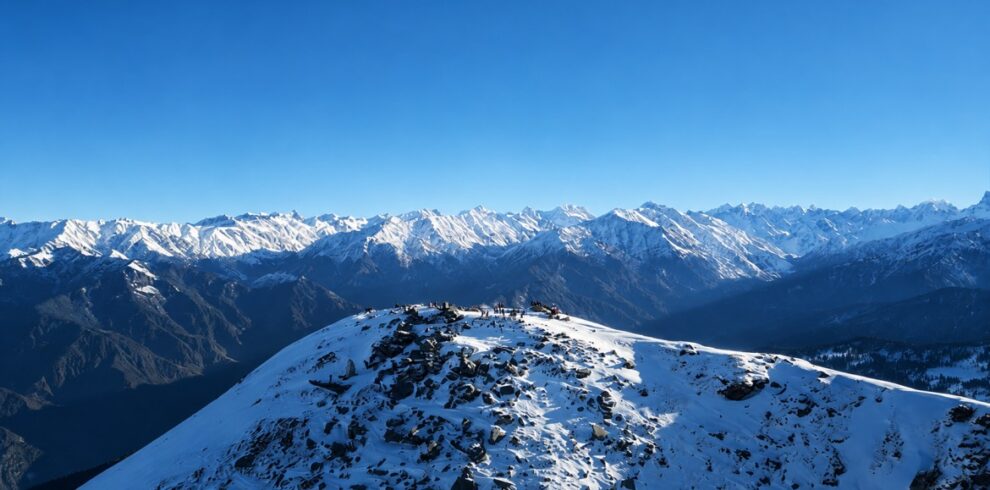
The mountain passes between valleys are where the trek becomes truly dramatic. From the top,
you see strings of lakes below, valleys stretching endlessly, and ridgelines stacking up into the
distance. These moments define the Kashmir Great Lakes trek.
Campsites that feel straight out of a postcard
Campsites on this trek are unreal. Flat green meadows beside crystal-clear lakes, surrounded by
peaks that glow orange and pink at sunrise and sunset. Nights are cold, quiet, and filled with stars.
The silence here is different — deep and calming. It’s one of the reasons trekking in Kashmir
leaves such a strong emotional impression on people.
What you get with most trek packages
Accommodation: Alpine tents set up near lakes and meadows. Simple, warm, and incredibly scenic.
Food: Nutritious vegetarian meals prepared by trek staff. Hot dinners, filling breakfasts, and packed
lunches for long walking days.
Guides & support: Experienced local guides and support teams who understand the terrain, weather,
and rhythm of the Kashmir Great Lakes trek.
What usually costs extra
Personal expenses like snacks, chocolates, and extra hot drinks.
Porter services if you don’t want to carry your backpack.
Travel insurance, which is strongly advised for any high-altitude Himalayan trek.
Getting there:
By air: Fly into Srinagar, followed by a short drive to the trek’s starting point.
By road: Well-connected routes from Srinagar to base villages.
Pro tip: Spend a day in Srinagar before the trek to rest and adjust to the altitude.
Day by day – how the journey unfolds
Day 1: Arrival and first walk
Short drive from Srinagar to the base camp, followed by an easy walk through meadows and forests.
The landscape sets expectations high right from the beginning.
Day 2: First lake encounters
Trek through wide valleys toward the first major alpine lakes. Snow patches, grazing animals, and
open skies dominate the day.
Day 3: Pass crossings and lakes
Cross a mountain pass with panoramic views before descending toward multiple lakes scattered
across rolling terrain. This is a standout day on the kashmir great lakes trek.
Day 4: Long scenic walking day
A full day of trekking past lakes and meadows. The scenery feels endless, and fatigue is constantly
balanced by the views.
Day 5: Toward the final lakes
The trail becomes quieter and more dramatic, leading to the last major lakes of the trek.
Day 6–7: Descent and return
Gradual descent toward the exit point, followed by a drive back to Srinagar. Civilization returns
slowly, but the mountains linger in your mind.
What to pack (keep it smart)
High-quality trekking shoes
Warm layers and thermals
Waterproof jacket
Trekking poles
Sunscreen and sunglasses
Reusable water bottle
Basic first-aid kit
The questions people usually ask
Is this trek suitable for beginners?
Yes, for fit beginners. The Kashmir Great Lakes trek is demanding but not technical.
Is altitude a concern?
Gradual ascents help, but basic acclimatization and hydration are essential.
What makes this trek special?
The number of alpine lakes and the continuous scenic beauty — very few treks offer this density of
high-altitude landscapes.
Is it crowded?
It’s popular, but the long trail spreads trekkers out, so it rarely feels congested.
Highlight Of Kashmir Great Lakes Trek
- Trek past seven breathtaking alpine lakes set in pristine high-altitude landscapes.
- Walk through vast Kashmiri meadows filled with wildflowers and grazing horses.
- Cross dramatic mountain passes with panoramic Himalayan views.
- Enjoy non-stop scenic beauty with stunning views every single day of the trek.
- Experience a perfect balance of challenge and comfort, suitable for fit beginners.
- Explore remote and untouched alpine wilderness far from roads and crowds.
- Follow crystal-clear glacial streams and snow-fed water sources throughout the trail.
- Camp at spectacular lakeside campsites under star-filled Himalayan skies.