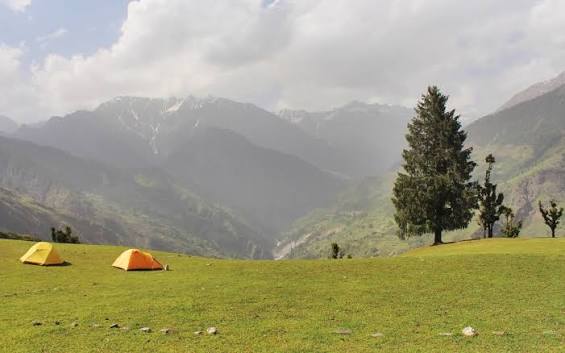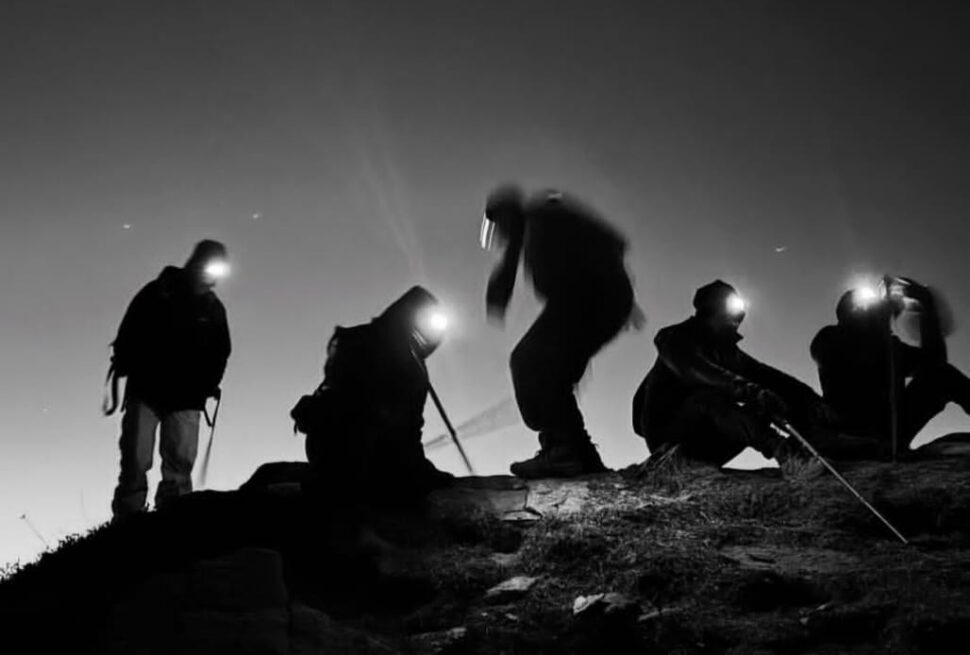
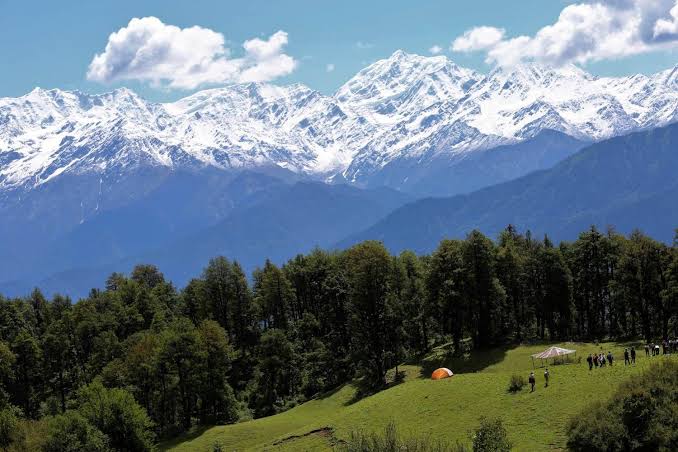
The best time for the Dayara Bugyal trek depends on what you want to see. Choose December to February for deep snow and a white winter landscape. Choose April to June for green meadows and pleasant weather. Choose September to November for the clearest mountain views. Mid-August is special for the local Butter Festival, though July and August bring heavy rain.
Dayara Bugyal is a high-altitude meadow in Uttarkashi district, Uttarakhand, reached from the villages of Raithal and Barsu. It is one of the most accessible Himalayan treks and it looks completely different in each season. In winter it turns into a wide snow field. In summer it becomes a green carpet with flowers and grazing cattle. In August it hosts one of India’s most unusual festivals.
This guide covers the best time to visit, month-by-month conditions, the Dayara Bugyal trek itinerary, difficulty, altitude, distance, route, map and duration, so you can plan the right trip.
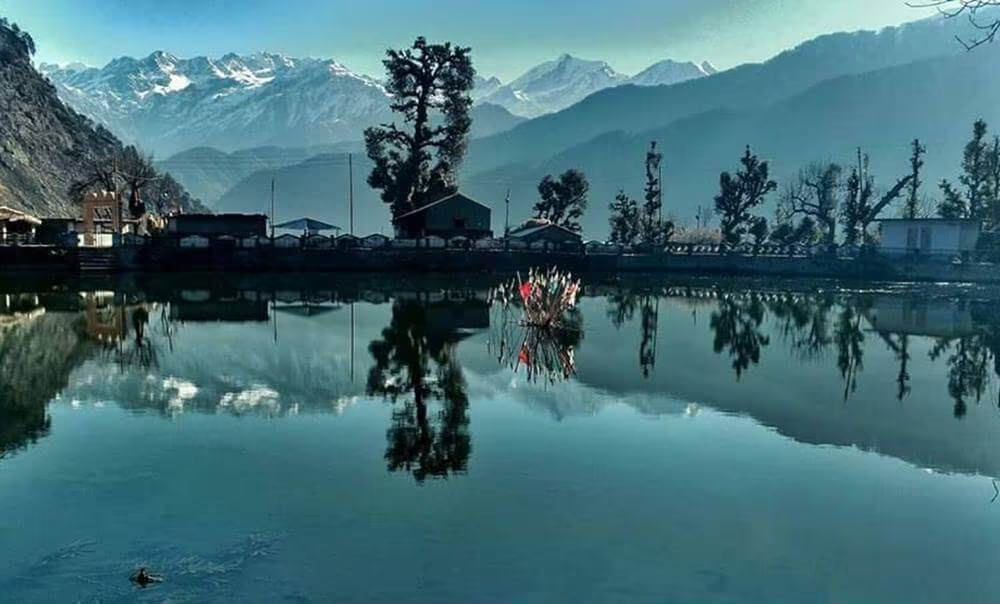
Dayara Bugyal Trek: Key Facts
- Location: Uttarkashi district, Uttarakhand
- Base villages: Raithal (about 1,800 to 2,100 m) and Barsu (about 2,400 m)
- Dayara Bugyal trek altitude: About 3,639 m (11,939 ft) at the highest meadow point, and about 3,750 to 3,800 m (12,300 to 12,467 ft) at Dayara Top and Bakaria Top
- Dayara Bugyal trek duration: Usually 4 to 6 days, depending on the route
- Dayara Bugyal trek distance: About 9 km one way from Barsu to the meadow, with Bakaria Top about 3 km further. The Raithal route is longer
- Difficulty: Easy to moderate
- Best seasons: December to February for snow, April to June for meadows, September to November for views
- Special event: Butter Festival (Anduri Utsav) in mid-August
Operators quote slightly different figures because routes and campsites differ, so treat these as a guide and confirm with your operator.
What Does "Bugyal" Mean?
A bugyal is a high-altitude meadow in the Garhwal Himalayas, a wide grassy slope above the tree line. Villagers take their cattle up to these meadows to graze in summer, and in winter the same slopes fill with snow. Dayara Bugyal is one of the most famous Bugyals in Uttarakhand, loved because it is wide, open and relatively easy to reach.
When Is the Best Time to Visit Dayara Bugyal?
The best time to visit Dayara Bugyal is December to February for snow or April to June for green meadows. If you want a snow trek, go in winter. If you prefer warm days and flowers, go in spring or early summer. September to November is a good middle option, with clear skies and sharp views.
There is no single best month for everyone. Ask yourself one question first: do you want snow or greenery? Your answer decides your season.
Winter Snow vs Summer Meadows: Which Is Better?
Choose winter (December to February) if you:
- Want to walk on snow and see the meadows covered in white
- Are comfortable with cold, especially at night
- Enjoy quiet, dramatic landscapes
Choose summer (April to June) if you:
- Prefer warmer days and less cold
- Want green meadows, flowers and open views
- Are travelling with family or want an easier trek with less gear
Choose autumn (September to November) if you:
- Want clear skies and sharp mountain views
- Want to avoid both heavy snow and monsoon rain
Choose mid-August if you:
- Want to see the Butter Festival and local culture
- Do not mind some rain and have flexible dates
Both main seasons are beautiful. Winter feels dramatic and quiet, while summer feels open and gentle.
Which Month Is Best for Dayara Bugyal Trek?
The best month for the Dayara Bugyal trek depends on your goal. For reliable snow, January and February are strong choices. For meadows, April and May work well. For clear views without extreme cold, October is a good pick. For culture, mid-August is unique.
December: Early December brings light snow, and late December usually brings heavy snowfall. Popular and cold, so book early for holiday dates. Days are short, so reach camp before sunset.
January: Deep snow and very cold nights. Peak winter, with the most snow-covered meadows and the coldest mornings of the year.
February: Snow is still on the meadows, with clear skies and slightly longer days. A good month if you want snow with a little less crowding.
March: A transition month. Snow melts on the lower trail while the upper meadows may still be white. Conditions change every year.
April: Spring begins, snow retreats and the meadows start turning green. Days are pleasant and nights are cold.
May and June: Green meadows, long days and comfortable walking. The easiest season for beginners who dislike the cold. Afternoon clouds are common, so start early.
July: Heavy monsoon rain, slippery trails and poor visibility. The meadows are very green, but the trek is harder and less predictable.
August: Still monsoon, but rain eases toward mid-month. The meadows are lush, and the Butter Festival takes place around Bhadon Sankranti, usually between August 16 and 18.
September: Post-monsoon freshness and improving weather. Early September can still be wet, and the second half is more settled.
October: Clear skies, stable weather and some of the best mountain views. Good for photography and first-timers.
November: Cold, clear and quiet. Early snow is possible near the end of the month.
Snow and weather change every year, so no operator can promise exact conditions on a given date.
Is Dayara Bugyal Trek Possible in Winter?
Yes, the Dayara Bugyal trek is possible in winter, and it is one of the more accessible winter treks in the Himalayas. Snow usually covers the trail and meadows from late December to February. With proper winter gear and a guided group, even first-time trekkers can do it. The final climb to Dayara Top and Bakaria Top can be harder in deep snow, so follow your leader’s guidance.
In winter you walk on snow from the base village onward. Expect cold mornings, very cold nights, shorter daylight and slower walking. Waterproof shoes, thermal layers and gaiters help a lot, and some operators recommend microspikes for the upper sections.
What makes the winter trek special
- Wide, open snow meadows rather than a steep summit climb
- Views of the Garhwal range from Dayara Top
- Quiet trails with fewer crowds than some other winter treks
- A frozen or snow-covered Barnala Tal and Gui area on the way, depending on the year
Is Dayara Bugyal Trek Open in Monsoon?
The Dayara Bugyal trek is possible in the monsoon, but it is not recommended for beginners in July. In July and August, heavy rain makes the trail muddy and slippery, visibility drops and landslides can affect roads to the base villages. Operators differ on whether they run treks in this period, so always confirm directly before planning a monsoon trip.
August has a special pull. The meadows are at their greenest, and the annual Butter Festival is held at Dayara Bugyal in mid-August. If you choose this season, keep your dates flexible, carry good rain gear, check the road and weather status before leaving and trek only with an experienced guide.
The Butter Festival (Anduri Utsav): A Reason to Visit in August
The Butter Festival, locally called Anduri Utsav or Makhan Holi, is held on the Dayara Bugyal meadows every year around Bhadon Sankranti, usually between August 16 and 18. The villagers of Raithal bring their cattle back from the summer grazing grounds and celebrate by playing a Holi-style game with fresh butter and buttermilk instead of colours.
The festival honours Lord Krishna, who is linked with cattle and butter and Bugyal Mata. The deity of the meadow who protects the herds. Expect folk music, dance and traditional dress.
- Best for: Culture lovers, photographers and families
- When: Mid-August. The exact date changes each year, so check before planning.
- What to carry: Clothes you do not mind getting messy, a rain jacket and a change of clothes
How Cold Is Dayara Bugyal in December?
In December, daytime in the sun is cold but manageable, while nights at higher camps fall well below freezing. Temperatures at campsites near the meadows commonly drop to around minus 5°C or lower after dark, and wind makes it feel colder. Late December is colder than early December because of heavier snow.
These are approximate figures, since temperature depends on altitude, weather and the specific night. Pack proper thermals, an insulated jacket, a warm cap, gloves and a good sleeping bag. Keep your feet dry and change out of damp clothes as soon as you reach camp.
Is Dayara Bugyal Good for Beginners?
Yes, Dayara Bugyal is good for beginners. The trek is rated easy to moderate and needs no prior trekking experience, only basic fitness. The meadows are wide and open, the trail has fewer steep or risky sections than many Himalayan treks and the walking days are manageable. Beginners should still train for 4 to 6 weeks and go with a guided group, especially in winter.
The main things that challenge first-timers are the cold, the altitude and the long climb on the day you visit Dayara Top and Bakaria Top. The easiest season for a first trek is April to June or late September to October.
Can We Do Dayara Bugyal Trek in Summer?
Yes, you can do the Dayara Bugyal trek in summer and April to June is a very good time. The weather is pleasant.The days are long and the meadows turn green with flowers. There is little or no snow on the trail, so you need less cold-weather gear and the walking is easier. Afternoon clouds are common, so start early and carry a rain jacket.
Summer suits you if you dislike cold, want to travel with family or prefer open green landscapes to snow.
Dayara Bugyal Trek Altitude and Acclimatisation
The Dayara Bugyal trek altitude is about 3,639 m (11,939 ft) at the highest meadow point and Dayara Top and Bakaria Top reach about 3,750 to 3,800 m (around 12,300 to 12,467 ft). That is firmly in the high-altitude range, and altitude affects fit people as much as anyone.
The trek gains height over several days, from the base village at about 1,800 to 2,400 m, to the Barnala Tal or Gui area at about 3,000 m, to the meadows and the top. Warning signs include a persistent headache, nausea, dizziness, loss of appetite and unusual tiredness.
- Walk slowly and take regular breaks
- Drink water often and eat even if your appetite is low
- Tell your leader the moment you feel unwell
- Never hide symptoms to avoid slowing the group
- Do not push on if symptoms worsen. Descending is the safest response
Dayara Bugyal Trek Route: Raithal vs Barsu
The Dayara Bugyal trek route starts from one of two base villages.
Raithal route: The more popular and scenic route, with a trail through forest and village paths to the Gui lake and Chilapada campsite area, then on to the meadows and Dayara Top. It works well in winter and other seasons, and the views of the Himalayan ranges improve as you climb. Raithal is also the village that hosts the Butter Festival.
Barsu route: Starts at a higher base (about 2,400 m), passes Barnala Tal and climbs to the meadows. It is shorter and can suit trekkers with limited time.
Some itineraries start at Raithal and end at Barsu, so you do not walk the same trail twice. Confirm the route with your operator before booking.
Dayara Bugyal Trek Map: Route at a Glance
Here is the route described as a simple text map. Dehradun or Rishikesh to Uttarkashi (by road)
- Uttarkashi to Raithal or Barsu (by road, the trek starts here)
- Raithal or Barsu to Gui or Barnala Tal (first campsite, forest and village trail)
- Campsite to Dayara Bugyal (open meadows)
- Dayara Bugyal to Dayara Top and Bakaria Top (highest points, with wide Garhwal views)
- Return to the base village by the same or a different route
Always follow your guide, because trails can be hard to see under snow or in fog.
Dayara Bugyal Trek Distance
The Dayara Bugyal trek distance depends on the route you take.
- Barsu route: About 9 km one way to Dayara Bugyal, with Bakaria Top about 3 km further. This is the shorter option.
- Raithal route: Longer, with figures of up to about 19 km one way quoted by some operators.
- Total distance: Roughly 20 to 25 km or more for the whole trek, depending on the route and campsites.
Distance figures differ between operators because of different start points, so compare plans, not only the kilometre number.
Dayara Bugyal Trek Duration
The Dayara Bugyal trek duration is usually 4 to 6 days, including the drive to the base village and back. A shorter plan of about 4 days suits the Barsu route and fits trekkers. A longer plan of 5 to 6 days gives more rest, a buffer for weather and a gentler pace, which is helpful in winter and for beginners.
You walk about 4 to 7 hours on most days. Add a day or two for travel if you are coming from Delhi or another city.
Dayara Bugyal Trek Itinerary (Typical 4 to 6 Days)
The Dayara Bugyal trek itinerary varies by operator and season, so this is a general outline.
Day 1: Drive to Raithal or Barsu
A drive of roughly 7 to 9 hours from Dehradun or Rishikesh via Mussoorie and Uttarkashi. Overnight stay in a homestay or guesthouse, with a trek briefing and a gear check.
Day 2: Raithal or Barsu to the Gui or Barnala campsite
A steady trek through forest and village trails to your first campsite. In winter, you start walking on snow on this stretch. Expect a few hours of uphill walking and a cold evening at camp.
Day 3: Campsite to Dayara Bugyal, Dayara Top and Bakaria Top
The most rewarding day. You climb to the meadows, continue to Dayara Top and Bakaria Top for wide views of the Garhwal range and return to camp. It is the longest and coldest day, so start early.
Day 4: Descent to the base village and drive back
Trek down, drive to Uttarkashi or Dehradun and end the trip. Some plans add an extra day for buffer or a different descent route.
Always confirm exact campsites and timings with your operator, since weather and snow can change the plan.
Dayara Bugyal Trek Difficulty
The Dayara Bugyal trek difficulty is generally rated easy to moderate. You walk about 4 to 7 hours a day on most days, with a longer, higher day to Dayara Top and Bakaria Top. The trail is not technical and the meadows are wide and open.
Difficulty changes with the season. In summer and autumn it is a comfortable moderate trek. In winter, snow and cold add effort and the final climb is harder.
You should be comfortable walking 5 to 6 hours at a steady pace and carrying a light daypack. If you can do that and have trained for a few weeks, you can complete the trek with a guide.
How to Reach Dayara Bugyal
- Nearest city and railhead: Dehradun, with Rishikesh and Haridwar as other railheads.
- By road: Drive from Dehradun or Rishikesh via Mussoorie and Uttarkashi to Raithal or Barsu, which usually takes about 7 to 9 hours.
- By air: The nearest airport is Jolly Grant Airport, Dehradun.
- From Delhi: Travel to Dehradun by train, bus or car and continue to the base village the next morning.
Most groups gather in Dehradun and leave early in the morning, so arrive the evening before.
Season-by-Season Comparison at a Glance
- Winter (December to February): Deep snow, very cold nights, dramatic white meadows. Best for snow lovers with some cold tolerance.
- Spring (March to April): Melting snow, fresh green patches, pleasant days. A good all-rounder.
- Summer (May to June): Green meadows, long days, comfortable walking. Best for beginners and families.
- Monsoon (July to August): Heavy rain in July, lush meadows and the Butter Festival in mid-August.
- Autumn (September to November): Clear skies and sharp mountain views, with colder nights as November arrives.
What to Pack for Each Season
Winter
- Thermal inner layers, fleece and a heavy insulated jacket
- Waterproof trek pants and shoes with good grip
- Gaiters, warm cap, gloves and a neck warmer
- Sunglasses and sunscreen, since snow glare is strong
Summer and autumn
- Light thermals, a fleece and a windproof jacket
- Rain jacket or poncho
- Sun hat, sunglasses and sunscreen
- Comfortable trekking shoes
Monsoon
- A full rain jacket and rain cover for your backpack
- Quick-dry clothes and extra socks
- Waterproof bags for electronics
Always
- Backpack with a rain cover, water bottle, headlamp and personal medicines
- Power bank, since cold drains batteries quickly
How to Prepare for the Trek
- Train for 4 to 6 weeks with brisk walking, stair climbing and light jogging.
- Practise with a loaded backpack on longer weekend walks.
- Do squats and lunges for leg strength, which helps on the descent.
- Break in your trekking shoes before the trip.
- Check the weather and road status close to your dates.
- Choose a guided group with first-aid support and a clear emergency plan.
If you have a medical condition, speak to your doctor before booking.
Safety Tips for Every Season
- Start early and reach camp before sunset
- Stay hydrated and eat regularly
- Follow your leader’s decisions on weather and route
- Carry cash and tell family in advance, since mobile signal is limited on the trail
- In winter, keep your feet dry and change out of damp clothes quickly
- In monsoon, avoid river crossings and landslide-prone stretches
Travelling Responsibly
Dayara Bugyal is a grazing ground for local villagers, and the meadows are fragile. Carry out all your waste, do not pick flowers or disturb animals, stay on marked paths, respect local customs and avoid loud music on the trail.
Common Mistakes Trekkers Make
- Choosing a season without deciding whether they want snow or greenery
- Underestimating the cold on winter nights
- Wearing cotton and new, untested shoes
- Skipping training and then struggling on the long day to the top
- Booking a same-night return flight or train
- Ignoring altitude symptoms
- Expecting guaranteed snow or clear skies on a fixed date
How to Choose Your Dates
- Decide whether you want snow, greenery, views or the festival.
- Check how much leave you have, since the trek takes 4 to 6 days plus travel.
- Avoid July unless you are flexible and experienced.
- Book early for December and holiday weekends.
- Confirm the exact route and itinerary with your operator.
Frequently Asked Questions
When is the best time to visit Dayara Bugyal?
December to February for snow and April to June for green meadows. September to November is best for clear views.
Which month is best for Dayara Bugyal trek?
January and February for snow, April and May for meadows, October for clear skies and mid-August for the Butter Festival.
Is Dayara Bugyal trek possible in winter?
Yes. Snow usually falls from late December to February. Use proper winter gear and a guided group.
Is Dayara Bugyal trek open in monsoon?
It is possible but harder, especially in July. Mid-August draws visitors for the Butter Festival. Confirm with your operator.
How cold is Dayara Bugyal in December?
Cold during the day and very cold at night. Temperatures at higher camps can fall well below freezing.
Is Dayara Bugyal good for beginners?
Yes. It is easy to moderate and needs basic fitness, with 4 to 6 weeks of training recommended.
Can we do Dayara Bugyal trek in summer?
Yes. April to June has pleasant weather and green meadows, with little snow.
How many days is the Dayara Bugyal trek?
Usually 4 to 6 days, depending on the route and base village. This is the Dayara Bugyal trek duration.
What is the Dayara Bugyal trek altitude?
About 3,639 m (11,939 ft) at the highest meadow point, and about 3,800 m (12,467 ft) at Bakaria Top.
What is the Dayara Bugyal trek distance?
About 9 km one way on the Barsu route, with Bakaria Top about 3 km further. The Raithal route is longer.
What is the Dayara Bugyal trek difficulty level?
Easy to moderate, suitable for beginners with basic fitness.
Which route is used for the Dayara Bugyal trek?
The trek starts from Raithal or Barsu in Uttarkashi district. Raithal is the more popular route, and Barsu is shorter.
Is there a Dayara Bugyal trek map?
Yes. The route runs from Dehradun to Uttarkashi, then Raithal or Barsu, then Gui or Barnala Tal, the meadows and Dayara Top. Ask your operator for a route map.
What is the Dayara Bugyal trek itinerary?
Usually a drive to the base village, a trek to the first campsite, a day to the meadows and Dayara Top, and a descent back.
Does it snow at Dayara Bugyal?
Yes. Snow usually falls from December to February, with heavy snow in late December, January and February.
What is the Butter Festival at Dayara Bugyal?
Anduri Utsav, or Makhan Holi, is a mid-August festival where Raithal villagers celebrate their cattle’s return by playing Holi with butter and buttermilk.
How do I reach Dayara Bugyal?
Travel to Dehradun or Rishikesh, then drive about 7 to 9 hours via Mussoorie and Uttarkashi to Raithal or Barsu.
Final Thoughts
Dayara Bugyal rewards you in every season. Pick winter for snow and silence, summer for green meadows and easy walking, autumn for crisp mountain views or mid-August for the Butter Festival. Check the weather before you travel, train for a few weeks and go with a guide.