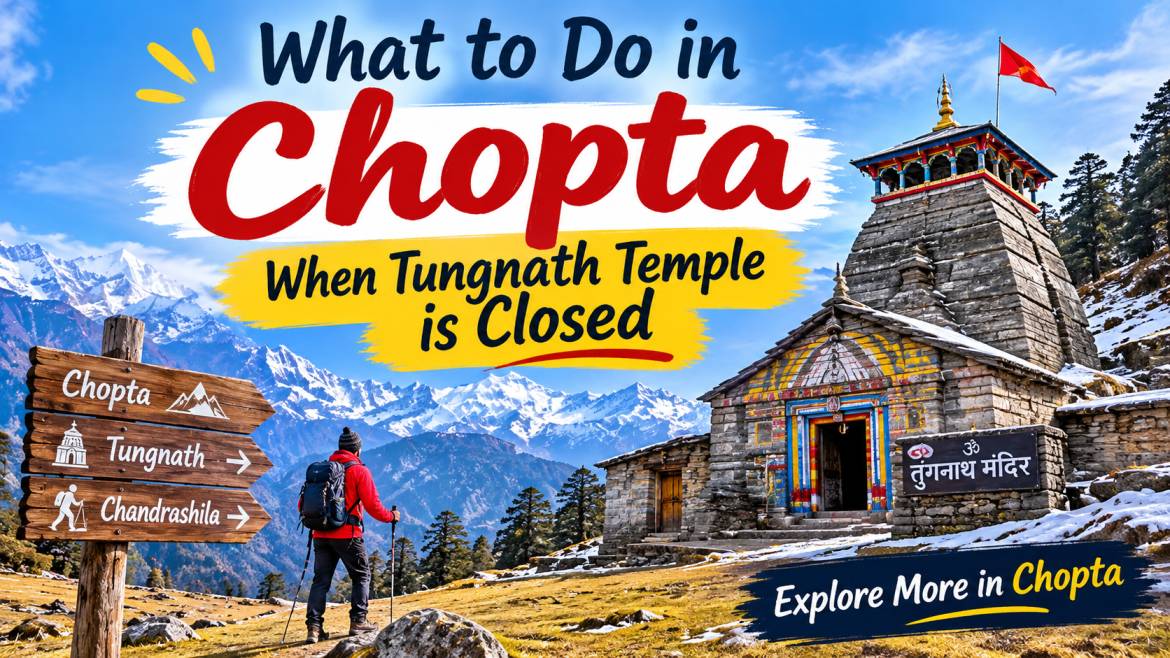
What to Do in Chopta When Tungnath Temple Is Closed? Best Places and Alternative Treks
Planning a trip to Chopta but just discovered that Tungnath Temple is closed for the winter? You might be wondering whether your entire travel plan needs to change. Does the Chopta trek also close when the temple closes? Can you still explore the mountains, visit nearby meadows, or find another trekking route?
The good news is that Tungnath Temple and the wider Chopta region are not the same destination. Chopta is a beautiful Himalayan destination with forests, open meadows, mountain views, birdwatching opportunities and access to several nearby trekking routes.
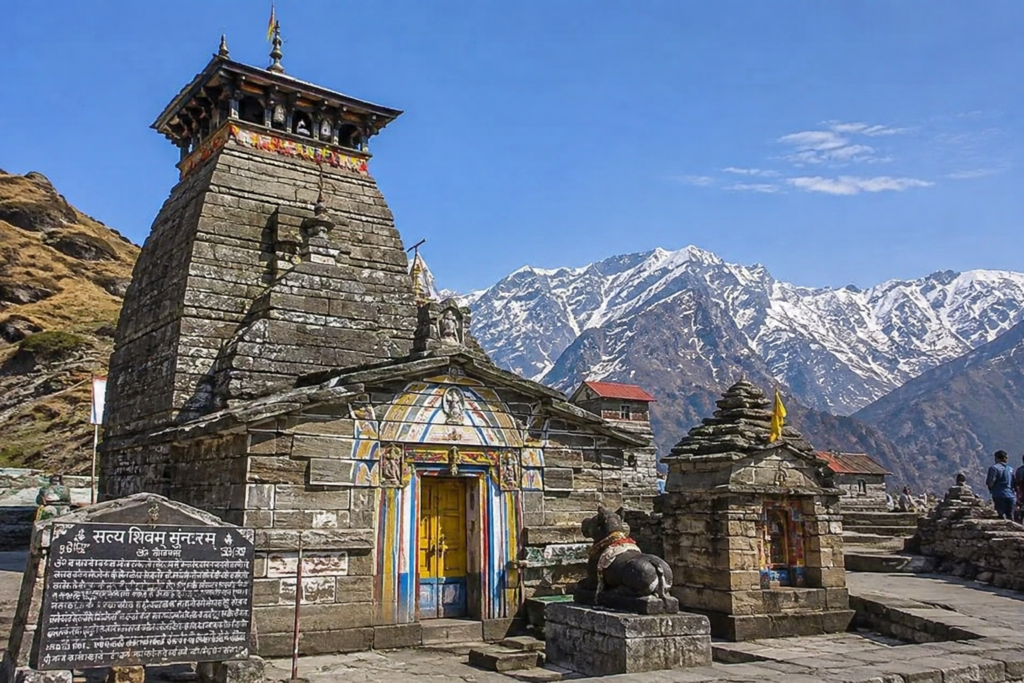
Tungnath Temple generally closes for winter because of heavy snowfall and difficult weather conditions. In 2026, the temple closed on 6 November, and the winter worship moved to Makumath. However, the temple’s seasonal closure does not automatically mean that every road, sightseeing location or trekking route around Chopta is closed.
If you are planning a winter visit, this guide explains what you can explore around Chopta, which alternatives are worth considering, and what you should check before starting a trek.
Is Chopta Trek Open When Tungnath Temple Is Closed?
This is one of the most common questions travellers ask when planning a trip during November, December or the winter season.
The Chopta–Tungnath trail is a trekking route that begins near Chopta and leads towards the temple. When the temple closes, regular temple visits and worship at the shrine stop for the winter season. However, the status of the trekking trail is a separate matter.
In some conditions, trekkers may still find access to lower sections of the route. But as winter progresses, snowfall can cover the trail, make the path slippery and create difficult conditions near Tungnath and Chandrashila.
Therefore, you should understand three different things:
Temple closure: Regular worship and pilgrim access to the shrine are suspended for winter.
Trekking trail status: Access depends on weather, snow conditions and local or administrative restrictions.
Chopta sightseeing: Many lower-altitude sightseeing areas and nearby destinations may remain accessible, depending on road and weather conditions.
Before travelling, check with local authorities, accommodation providers or experienced local guides. Do not assume that a trail is safe simply because other visitors have travelled there.
Best Places to Explore in Chopta When Tungnath Temple Is Closed
If your main reason for visiting Chopta was Tungnath Temple, you do not necessarily need to cancel your trip. There are several places around the region where you can enjoy the Himalayan landscape without depending entirely on temple access.
1. Chopta Meadows – Enjoy the Open Himalayan Landscape

Chopta is famous for its green meadows, surrounding forests and beautiful mountain views. Even if you do not visit Tungnath, the main Chopta region offers plenty of opportunities to enjoy nature.
During the summer and autumn months, the meadows are generally green and surrounded by dense forests. During winter, the landscape can become quieter and may receive snowfall.
You can spend time walking around accessible meadow areas, enjoying mountain views, photographing the landscape and experiencing the peaceful atmosphere.
What can you do here?
Enjoy scenic Himalayan views.
Take photographs of the surrounding mountains.
Explore accessible meadow areas.
Enjoy short nature walks.
Experience the peaceful winter atmosphere.
Chopta is also known for its birdwatching opportunities, making it interesting for nature lovers.
2. Deoria Tal – A Beautiful Alternative Trek Near Chopta
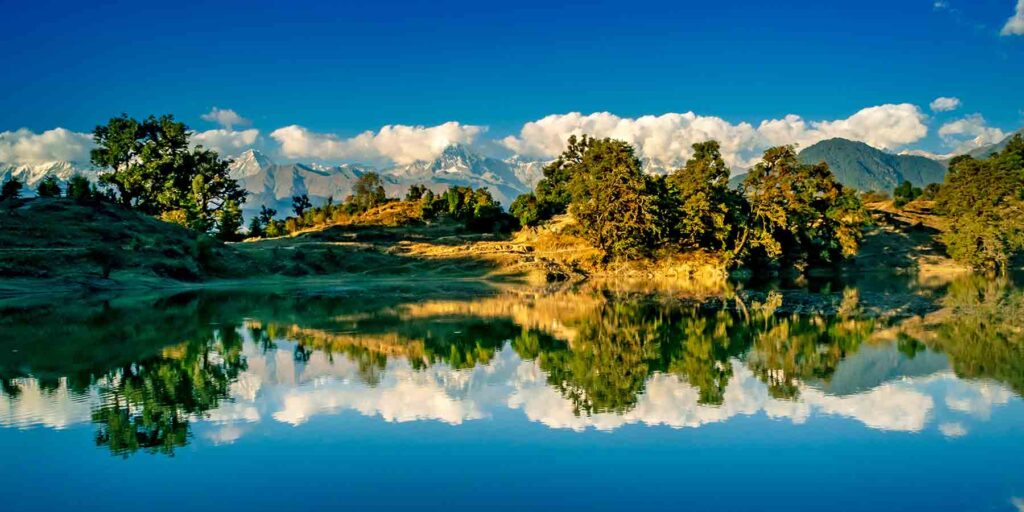
If you are looking for an alternative trekking experience, Deoria Tal is one of the most interesting options to consider.
Located near Sari Village, Deoria Tal is a beautiful high-altitude lake surrounded by forests and Himalayan mountain scenery. The lake is particularly known for its reflections of the Chaukhamba mountain range on clear days.
The trek starts from Sari Village and follows a clearly established uphill trail towards the lake.
Deoria Tal Trek Details:
Starting Point: Sari Village
Lake Altitude: Approximately 2,400 metres
Trek Distance: Approximately 3 km one way
Difficulty: Easy to Moderate
Trek Duration: Around 1–2 hours one way, depending on walking speed
Main Attraction: Deoria Tal Lake and Himalayan mountain reflections
The route is suitable for travellers who want a shorter trekking experience rather than a demanding summit climb. However, winter conditions can change the difficulty level.
If you want to explore this destination in more detail, read our Deoria Tal Trek Guide.
3. Chandrashila Peak – Can You Visit Without Tungnath Temple?
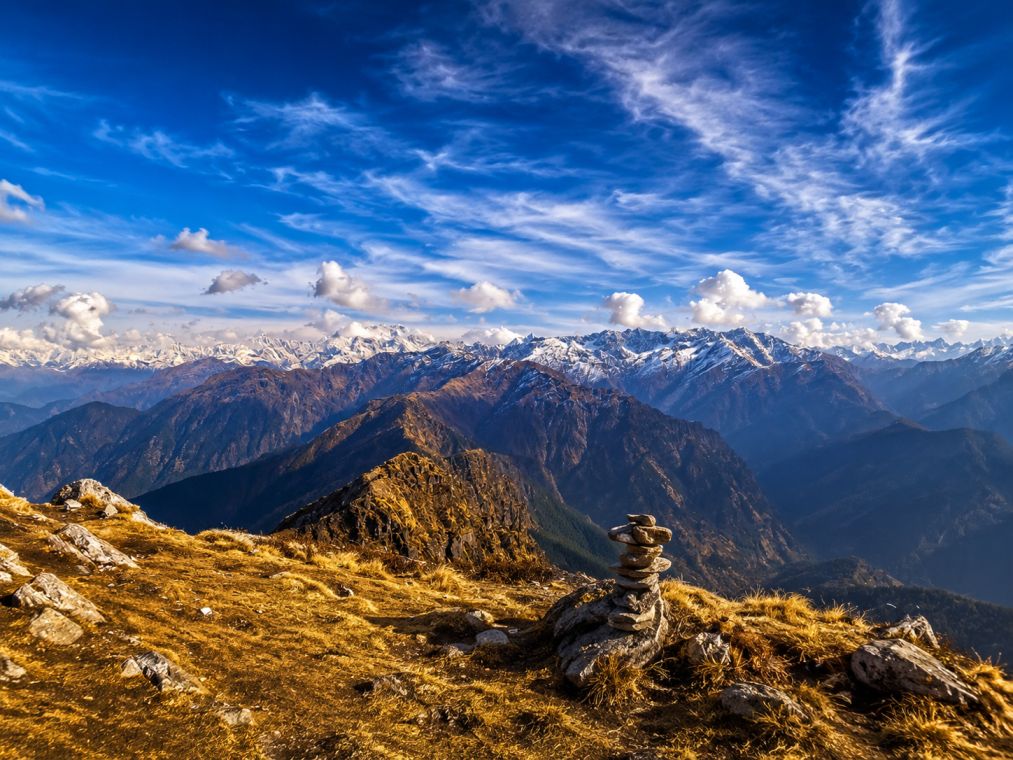
Many trekkers have another important question: if Tungnath Temple is closed, can they still trek to Chandrashila Peak?
Chandrashila is a famous summit located above Tungnath. The traditional route starts from Chopta, passes Tungnath Temple and continues towards the summit.
The climb from Tungnath to Chandrashila is relatively steep, and the conditions can become challenging during winter.
The important thing to understand is that temple closure and trail access are two separate issues. Even if the temple is closed, it does not automatically establish whether Chandrashila is accessible.
During heavy snowfall, the upper trail may become difficult to identify. Ice, strong winds, poor visibility and steep snow-covered sections can increase the risk.
Should you attempt Chandrashila in winter?
Consider the trek only when:
The local administration permits access.
Current weather conditions are suitable.
An experienced local guide confirms the trail condition.
You have appropriate winter trekking equipment.
You have sufficient fitness and experience for the conditions.
Do not attempt the summit simply because you have reached Chopta.
For the complete route, difficulty, itinerary and trekking information, explore our Chopta Chandrashila Trek Guide.
4. Rohini Bugyal – Explore the Forests and Mountain Meadows
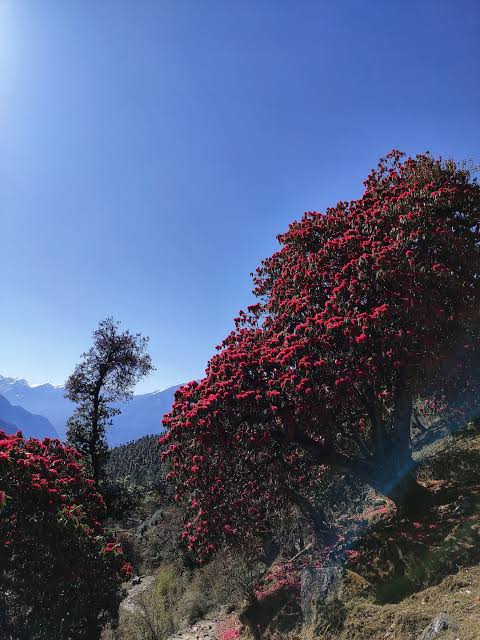
Rohini Bugyal is another beautiful location associated with the Deoria Tal–Chopta trekking route.
The trail towards Rohini Bugyal passes through forest sections and scenic mountain landscapes. During spring, rhododendron flowers add colour to the surrounding forests.
It is an interesting option for trekkers who enjoy walking through forests, exploring meadows and experiencing the quieter side of the Garhwal Himalayas.
However, Rohini Bugyal should not be treated as an automatically accessible winter sightseeing point. Its accessibility depends on the route, snow conditions and local guidance.
Why explore Rohini Bugyal?
Beautiful forest trails.
Scenic meadow landscapes.
Views of surrounding Himalayan peaks.
Rhododendron forests during the flowering season.
A peaceful trekking experience away from busy tourist spots.
You can also explore this area as part of a longer Deoria Tal–Chandrashila trekking itinerary when the route is operating.
5. Dugalbitta – A Peaceful Place Near Chopta
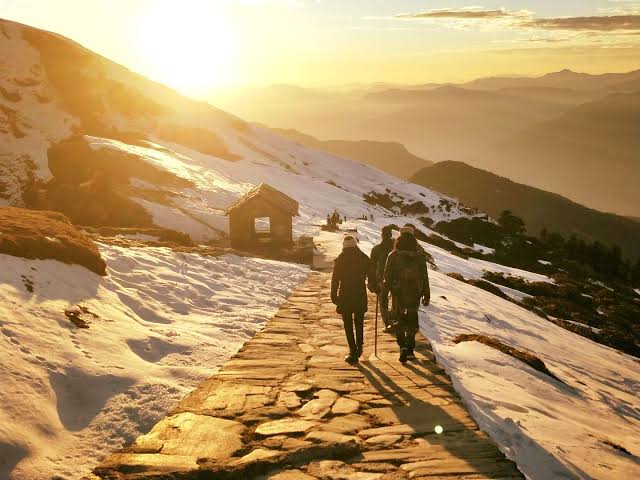
Dugalbitta is located along the road towards Chopta and is known for its peaceful natural surroundings.
It offers forest scenery, mountain views and opportunities for photography. Travellers who do not want to attempt a longer trek can consider spending some time exploring accessible areas around Dugalbitta.
During winter, the surrounding landscape can look particularly beautiful when fresh snow covers the nearby forests and mountain slopes.
Things to enjoy at Dugalbitta:
Nature photography.
Short walks in accessible areas.
Mountain views.
Peaceful surroundings.
Exploring the forests around Chopta.
It can be a convenient addition to your Chopta sightseeing plan, especially if you are travelling with family or people who do not want to undertake a difficult trek.
6. Baniyakund – Enjoy the Scenic Surroundings of Chopta
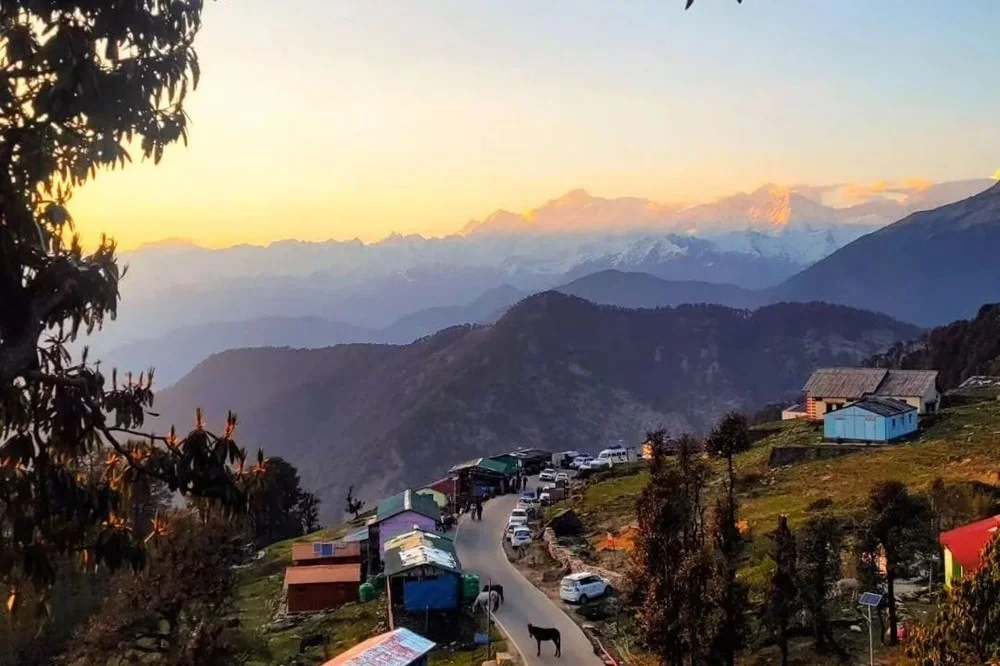
Baniyakund is another area worth considering when planning a trip around Chopta.
The surrounding landscape includes open spaces, forests and mountain views. It is also used as an accommodation and access point by travellers exploring the Chopta region.
You can explore the accessible surroundings, enjoy photography and use it as a base for nearby sightseeing, depending on road and weather conditions.
If you are not interested in a demanding winter trek, spending time around Baniyakund and Chopta can be a more relaxed way to experience the region.
7. Makkumath – Visit the Winter Seat of Lord Tungnath
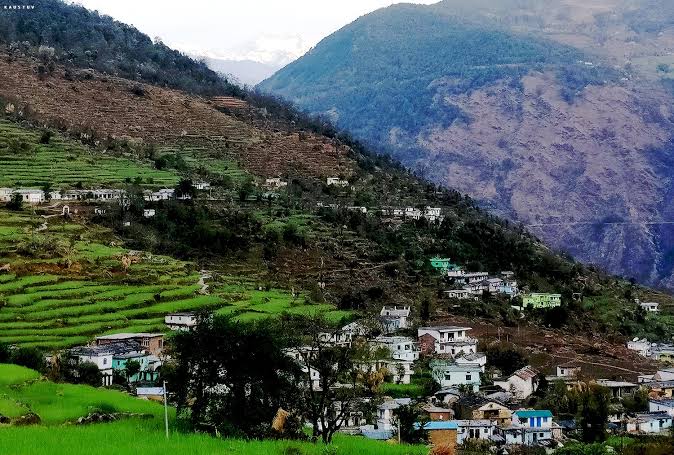
For travellers whose main reason for visiting Chopta was religious rather than trekking-related, Makkumath is an important destination.
When Tungnath Temple closes for winter, the ceremonial idol is moved to its winter seat at Markateshwar Temple in Makumath.
Regular winter worship takes place there, allowing devotees to continue their religious visit even when the main Tungnath shrine is closed.
In 2026, the winter relocation took place after the temple closed on 6 November.
If you want to experience the religious significance of Tungnath during the winter season, Makkumath is worth considering.
Check the local travel route and temple timings before visiting.
What Is the Difference Between Chopta, Tungnath and Chandrashila?
First-time travellers sometimes assume that Chopta, Tungnath and Chandrashila are three names for the same destination. They are actually different locations connected by a trekking route.
| Destination | What Is It? |
|---|---|
| Chopta | A Himalayan destination surrounded by forests and meadows |
| Tungnath | A sacred Shiva temple and one of the Panch Kedar shrines |
| Chandrashila | A mountain summit above Tungnath, known for panoramic Himalayan views |
The traditional trekking route starts from Chopta, continues towards Tungnath and then climbs further to Chandrashila.
Understanding this difference is important when planning your trip during the temple’s winter closure.
If you want to experience the complete route during the regular trekking season, explore our Chopta Tungnath Trek Package.
Is Deoria Tal Better Than Chopta During Winter?
Both destinations offer different experiences, so the right choice depends on what you want from your trip.
Deoria Tal is a lake-focused destination where you can enjoy mountain reflections, forest surroundings and a relatively short uphill trek from Sari Village.
Chopta offers a wider range of experiences, including open meadows, forest landscapes, mountain views and access to the Tungnath–Chandrashila trekking route when conditions allow.If your main objective is to complete a short trek and enjoy a peaceful lake, Deoria Tal can be a suitable alternative.
If you want to explore different landscapes and enjoy a longer mountain holiday, Chopta offers more variety.
Best Time to Visit Chopta When Tungnath Temple Is Closed
The winter season changes the overall experience of Chopta. The landscape becomes colder, some trails receive snowfall and road conditions can become unpredictable.
November – Beginning of Winter
November is a transition period. The temple generally closes during this month, while the surrounding Chopta region may still be accessible.
You can enjoy:
Mountain photography.
Accessible meadow walks.
Forest exploration.
Deoria Tal, subject to trail conditions.
Nearby sightseeing.
Snowfall is not guaranteed throughout November.
December – Winter Scenery and Snowfall
December brings colder temperatures and increasing chances of snowfall.
Some areas around Chopta may receive snow, but conditions can vary considerably from one week to another.
If you are planning a December visit, prepare for freezing temperatures and possible road disruptions.
January and February – Peak Winter Conditions
These months can bring heavy snowfall and challenging trekking conditions.
The Chopta region may look beautiful during this period, but reaching some locations can become difficult. The upper Tungnath and Chandrashila trail may be particularly challenging.
Only consider winter trekking with proper equipment, local guidance and confirmation that the route is open.
March – Transition Towards Spring
March brings changing weather conditions. Snow may remain at higher elevations, while lower areas gradually start showing signs of spring.
Rhododendron forests also begin becoming attractive as the flowering season approaches.
Can Beginners Visit Chopta When Tungnath Temple Is Closed?
Yes, beginners can visit Chopta even when Tungnath Temple is closed, but they should choose activities according to their fitness and the current weather.
You do not need to complete a high-altitude summit trek to enjoy Chopta.
Beginners can consider:
Exploring accessible meadows.
Taking short nature walks.
Visiting nearby villages.
Exploring Dugalbitta.
Trekking to Deoria Tal with suitable preparation and local guidance.
However, beginners should be careful about attempting Chandrashila during snowfall.
Snow trekking requires additional balance, suitable footwear, winter clothing and knowledge of changing mountain conditions.
A route that feels easy during summer can become significantly more challenging in winter.
Is Chopta Worth Visiting Without Tungnath Temple?
Absolutely, provided you understand what the destination offers beyond the temple.
Chopta is not only a religious trekking destination. It is also known for its natural landscapes, forest surroundings, birdwatching opportunities and Himalayan views.
You can spend your time exploring nearby areas, enjoying photography, walking through accessible meadows and visiting destinations such as Deoria Tal.
However, if your only objective is to visit Tungnath Temple and Chandrashila Summit, it is better to plan your trip during a season when the shrine is open and the upper trekking route is accessible.
Your travel experience will depend on the kind of trip you want to enjoy.
What Should You Pack for a Winter Trip to Chopta?
Winter travel in the Himalayas requires proper preparation, even if you are not planning a long trek.
Here are some important things to carry:
Warm thermal innerwear.
Waterproof winter jacket.
Woollen cap and gloves.
Warm socks.
Comfortable trekking shoes with good grip.
Sunglasses and sunscreen.
Personal medicines and basic first-aid supplies.
Water bottle or thermos.
Power bank and headlamp.
Waterproof backpack cover.
If you are planning to walk on snow, suitable traction equipment may be necessary depending on the trail conditions.
Avoid wearing regular sports shoes on icy or snow-covered trekking routes.
Important Safety Tips for Visiting Chopta in Winter
Winter trekking is very different from walking on the same trails during summer.
Even experienced trekkers need to consider weather, visibility, snow depth and trail conditions before beginning their journey.
Keep these points in mind:
Check the latest weather forecast before leaving.
Confirm road accessibility with local residents or authorities.
Do not assume the Chandrashila trail is open just because Chopta is accessible.
Avoid trekking alone in snow-covered areas.
Hire an experienced local guide when exploring unfamiliar winter routes.
Carry appropriate winter clothing and footwear.
Start early and avoid returning after dark.
Do not continue towards a summit if visibility becomes poor.
Carry your waste back and respect the natural environment.
Your safety should always be more important than reaching a particular viewpoint or summit.
Frequently Asked Questions
1. Is Chopta open when Tungnath Temple is closed?
Tungnath Temple’s winter closure does not automatically close the entire Chopta region. Many lower-altitude areas may remain accessible, depending on road conditions, weather and local restrictions.
2. Can we visit Chopta without visiting Tungnath Temple?
Yes. You can explore Chopta Meadows, Dugalbitta, Baniyakund and other accessible areas. You can also plan a visit to Deoria Tal if the route is suitable.
3. Can we trek to Chandrashila when Tungnath Temple is closed?
Temple closure does not automatically determine the Chandrashila trail status. However, the upper trail can become dangerous during snowfall and icy conditions. Confirm current access with local authorities and an experienced guide before attempting it.
4. Is Deoria Tal open during winter?
Deoria Tal can be visited during winter when the road to Sari Village and the trekking route are accessible. Snowfall and icy conditions can make the uphill trail more difficult, so check the latest local conditions.
5. How far is Deoria Tal from Chopta?
Deoria Tal is approximately 50 km by road from Chopta, depending on the route and starting point. The trek begins from Sari Village and is approximately 3 km one way.
6. Is there snowfall in Chopta in November?
Snowfall is possible in November, especially at higher elevations, but it is not guaranteed. Actual snowfall depends on the weather system and temperature conditions.
7. Can beginners visit Chopta in winter?
Yes. Beginners can enjoy sightseeing and short walks in accessible areas. However, snow-covered trails and high-altitude routes require additional preparation and proper guidance.
8. Where can we worship Lord Tungnath during winter?
During winter, the ceremonial idol of Lord Tungnath is moved to Markateshwar Temple in Makumath, where regular worship takes place.
9. Is Chandrashila the same as Tungnath?
No. Tungnath is a Shiva temple, while Chandrashila is the mountain summit above the temple. Both are connected by the traditional trekking route from Chopta.
10. What are the best alternative places to visit near Chopta?
Deoria Tal, Dugalbitta, Baniyakund, Rohini Bugyal and Makkumath are among the places travellers can consider. Their accessibility depends on the season and current local conditions.
11. How many days are enough to explore Chopta without Tungnath?
A 2-day trip can cover accessible sightseeing around Chopta and a visit to Deoria Tal. If you want to explore more nearby destinations, consider spending 3 days or more.
12. Should I cancel my Chopta trip if Tungnath Temple is closed?
Not necessarily. If you are interested in nature, mountain views, forests and alternative trekking experiences, Chopta can still be worth visiting. However, if your only purpose is to visit Tungnath Temple, consider planning your trip during the temple’s opening season.
Final Thoughts
A closed temple does not mean that the mountains around it have nothing left to offer.
Chopta has much more to explore than just the Tungnath Temple route. From the peaceful surroundings of Dugalbitta and Baniyakund to the beautiful lake at Deoria Tal, the region offers several experiences for travellers who want to enjoy the Garhwal Himalayas during winter.
Before making your final plan, remember that temple timings, road accessibility and trekking conditions are three different things. Check all three before travelling, especially if you are visiting during November, December, January or February.
Choose your route according to the weather, your experience and the current trail conditions. A well-planned mountain trip is always better than rushing towards a summit.
Explore the Chopta region with the right preparation, respect for nature and a little flexibility in your travel plans.